| The Public Paperfolding History Project
Last updated 3/3/2026 x |
|||||||
| Origami by Okimasa Uchiyama, 1962 | |||||||
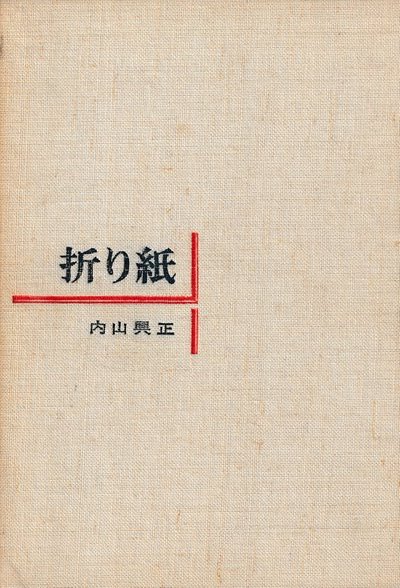
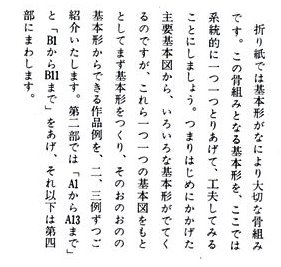
'Origami' by Okimasa Uchiyama was published in Tokyo in 1962. This page is based on a copy of the 1969 7th edition. I believe, however, that the content of the 1969 edition is identical to that of the original work. My grateful thanks to the British Origami Society for allowing me access to this copy.. This is a substantial work of some 224 pages. As with Okimasa Uchiyama's previous work, this book is largely based around his system of basic forms (ie crease patterns), which are presented as useful starting points for creative folding, although he does go beyond these in the chapter about 'Folding Containers'. The work includes both cut and uncut designs and the author does not distinguish between them. It is worth noting, however, that, unlike the similar charts in the author's previous book 'Yoku Wakaru Origami' the charts of the basic forms in this work do not include any slit or cut basic forms. The works in the book are of many different styles. *********** Apart from the introductory material, the work is divided into the following sections: Part One - Easy Origami Part Two - Creation from Basic Forms 1 (A1 to A13, B1 to B11) Part Three - Creation based on Theme (Hina Dolls and Furniture) Part Four - Creation from Basic Forms 2 (A14 to A18, B12 to B15) Part Five - Basic Form of Diamond System (human, animals, birds, insects etc) Part Six - Block Origami Part Seven - Folding Containers With two supplements: Origami Leaves - About Origami Creation Origami Leaves - History of Japanese Origami **********
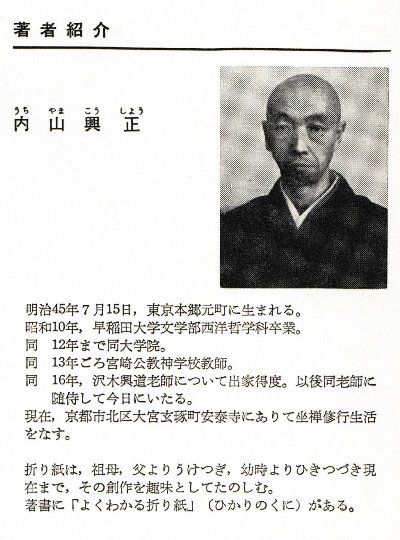
********** The work includes a brief biographical note, roughly translated: 'Born on Juky 15th 1912 in Hongo Matomachi, Tokyo. In 1935 he graduated from the Department of Western Philosophy, Faculty of Letters, Waseda University, 1935. Around the same time he became a teacher at Miyazaki Kokyo Seminary. In the same year he became a monk and was ordained by Master Swaki Kodo, who he has attended ever since. Lives in Antaji Temple, Omiya Gentokucho, Kita-ku, Kyoto, where he practises Zen meditation. Since I was a child I have been enjoying creating origami as a hobby, inheriting it from my grandmother and father.'
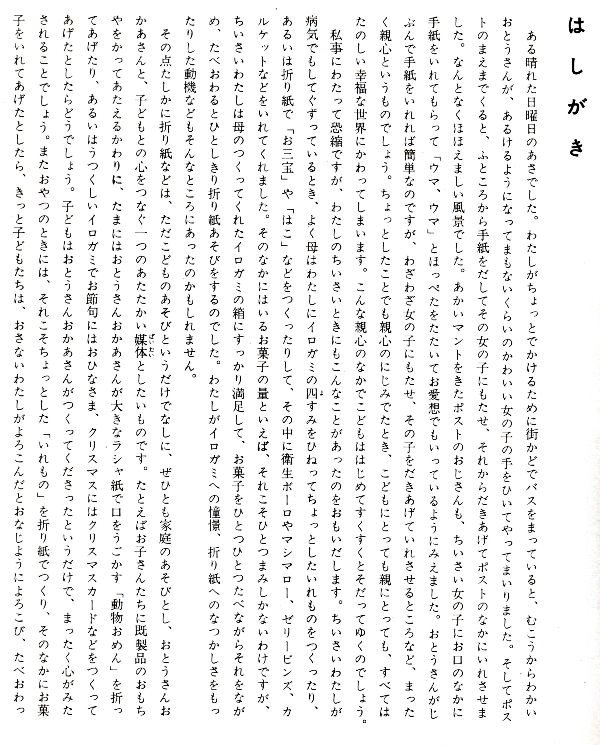
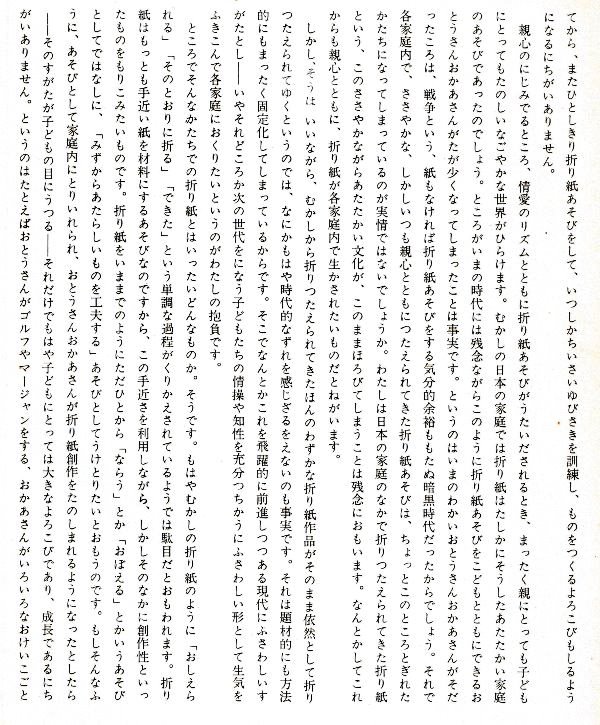
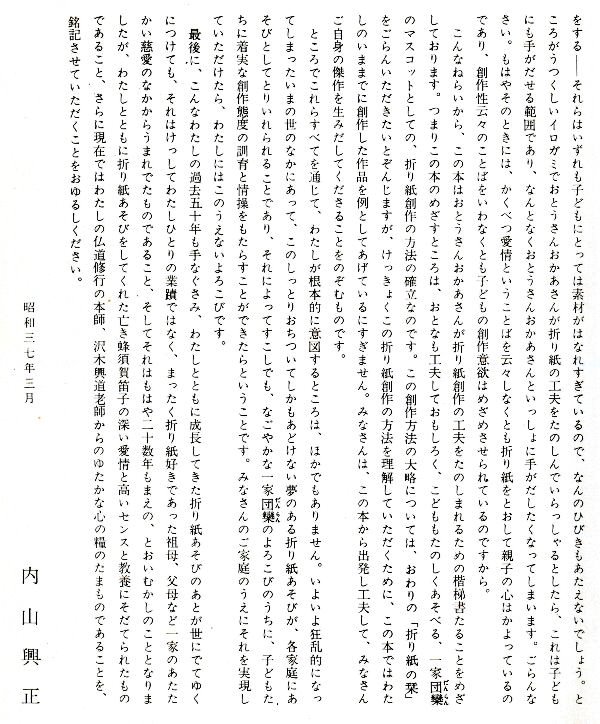
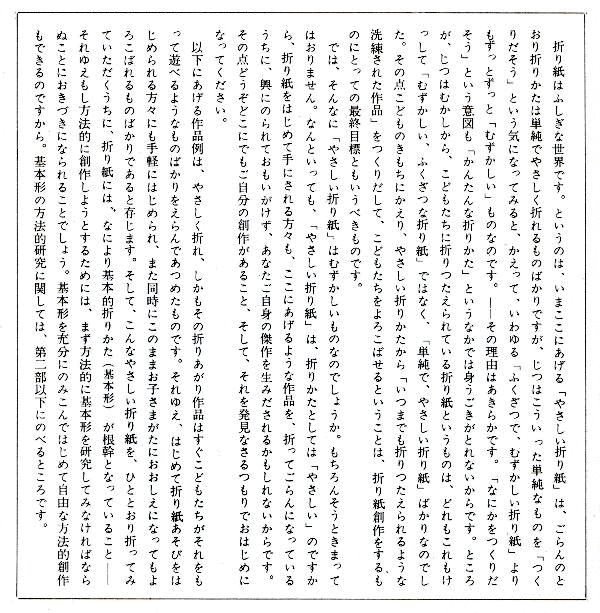
********** Miscellaneous Material Not all of this material is found at the front of the book. Preface Note that the date at the foot of this Preface is Showa 37 (1948) Inter alia the author laments that '... in today's world there are fewer and fewer mothers who can enjoy origami with their chikdren. This is probably because, during the war, when younf fathwrs and motrhers of today grew up, therew was no paper and no time to enjoy origami. Therefore, the humble playt of origami ... seems to have been somewhat interrupted recently...'.
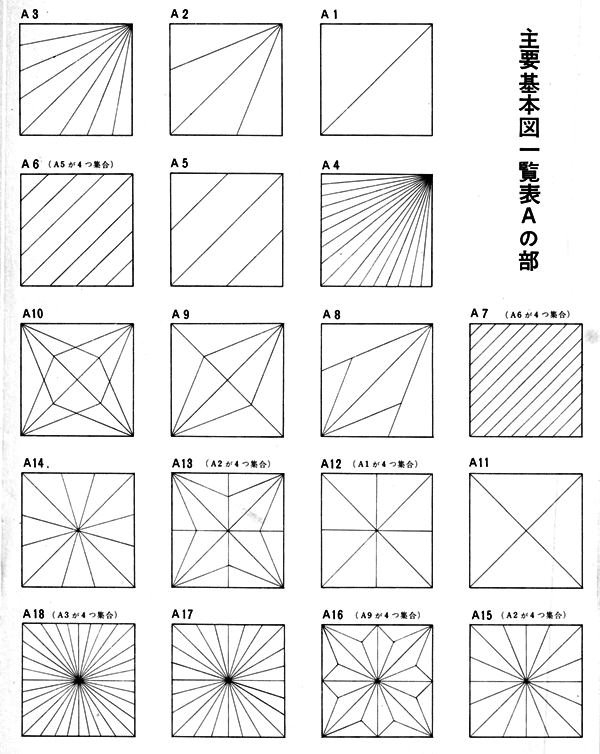
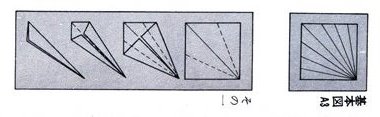
********** Charts of the Basic Forms The work also contains a third chart showing the 'connections' between these basic forms which I have not reproduced here. A Series
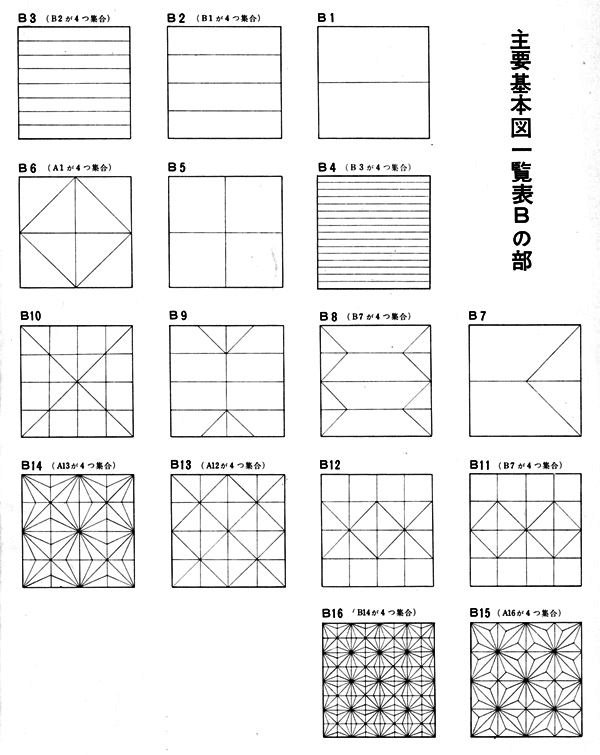
********** B Series
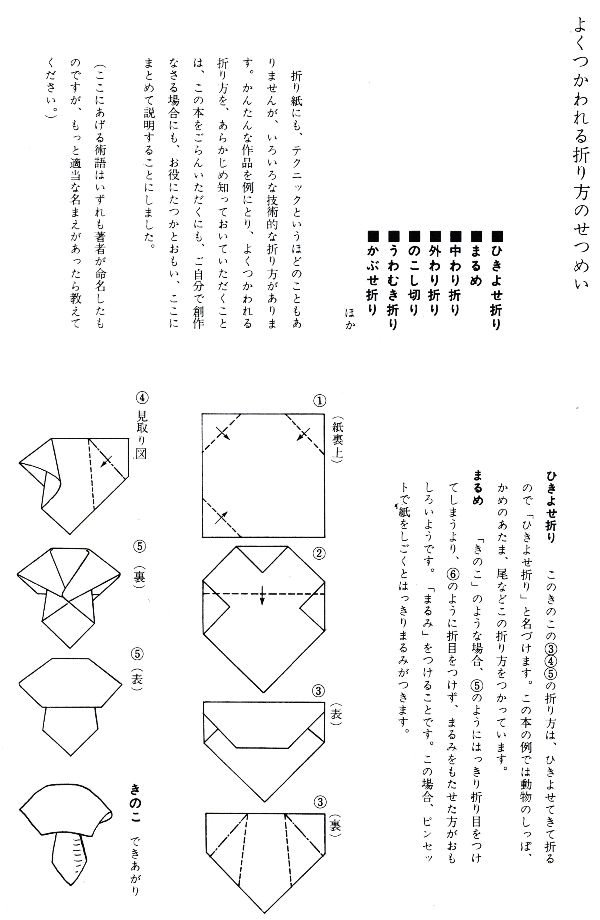
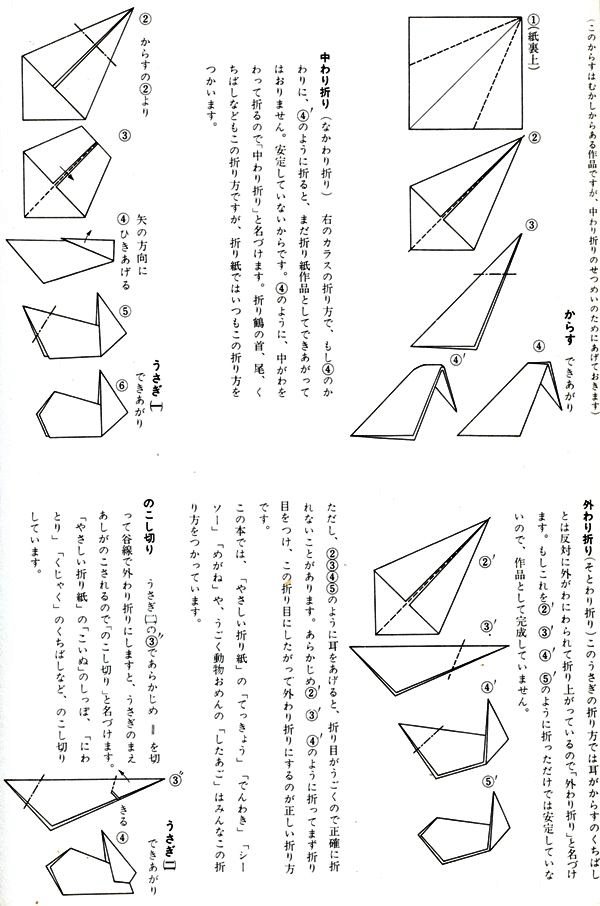
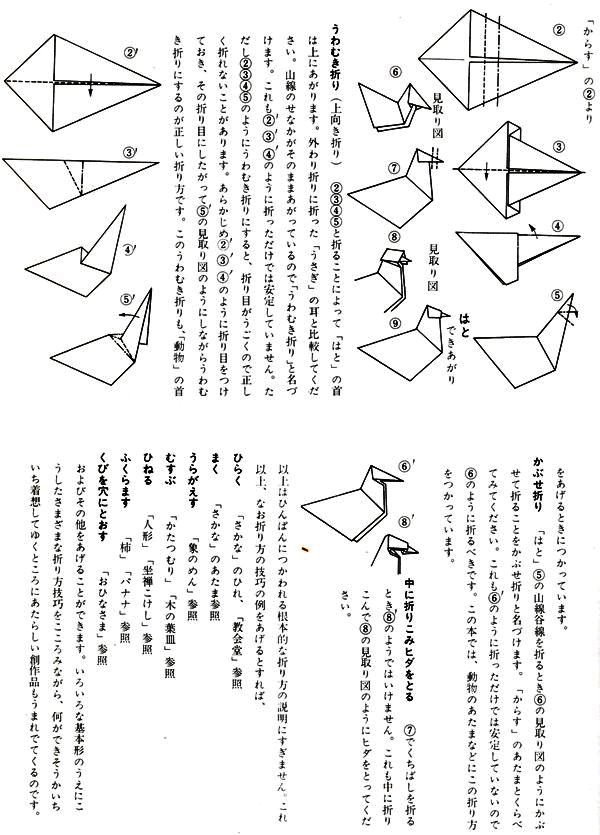
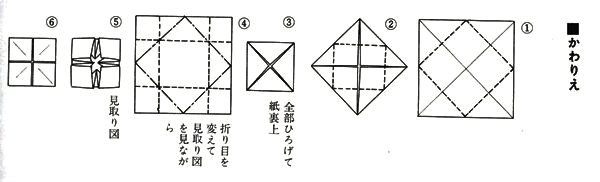
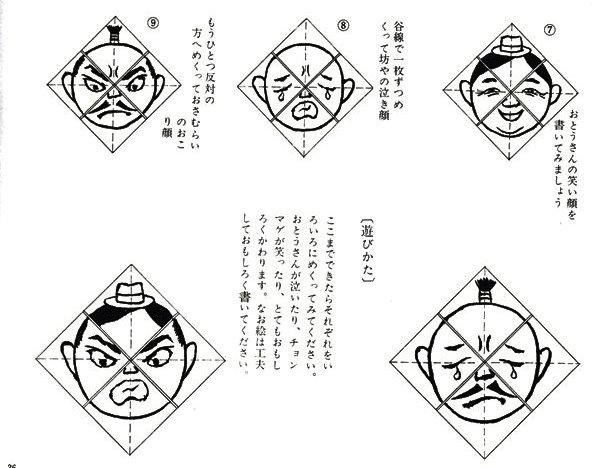
********** Commonly used folding methods In the work these pages appear at the end of the Easy Origami chapter. Since some of these examples of folding methods yield designs which are complete in their own right, the folding instructions are also included in the Analysis.
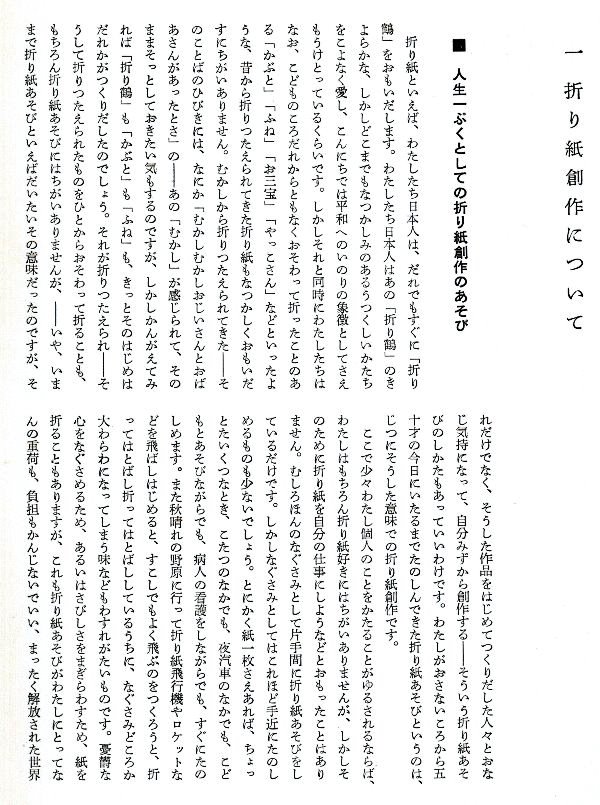
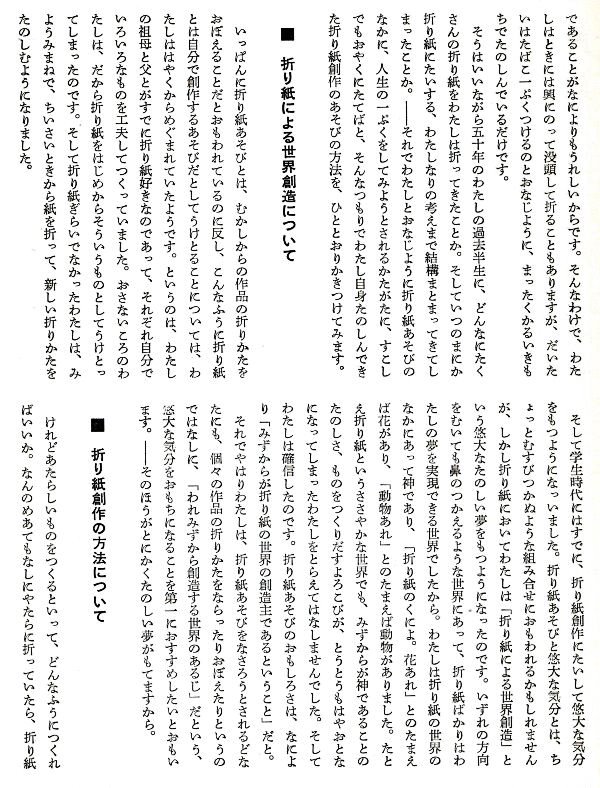
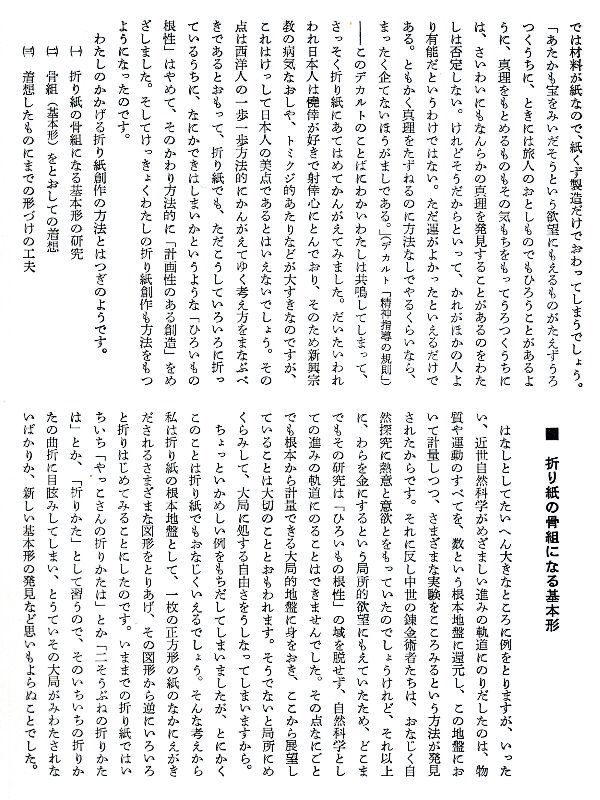
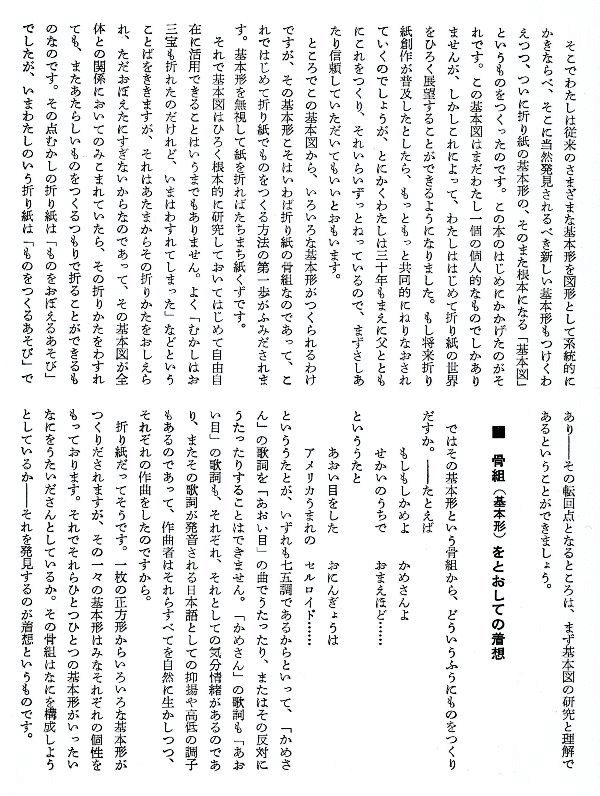
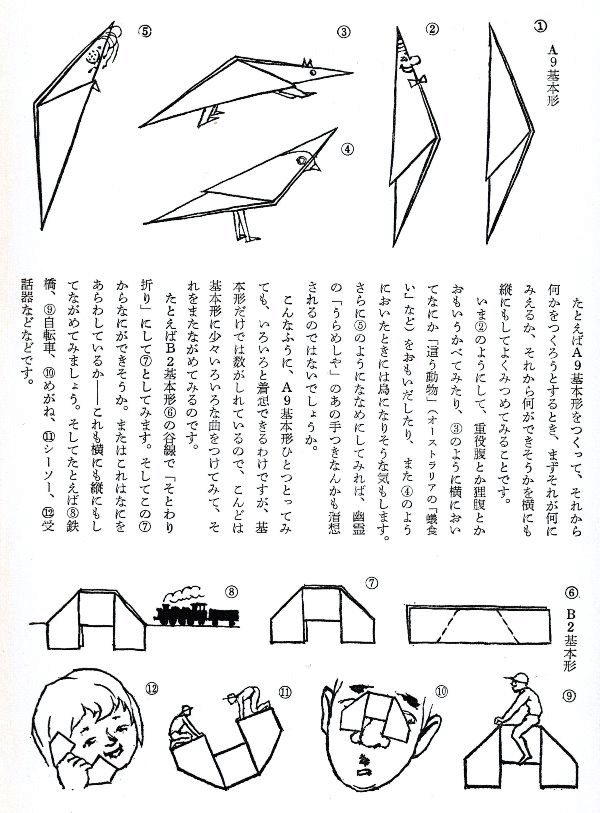
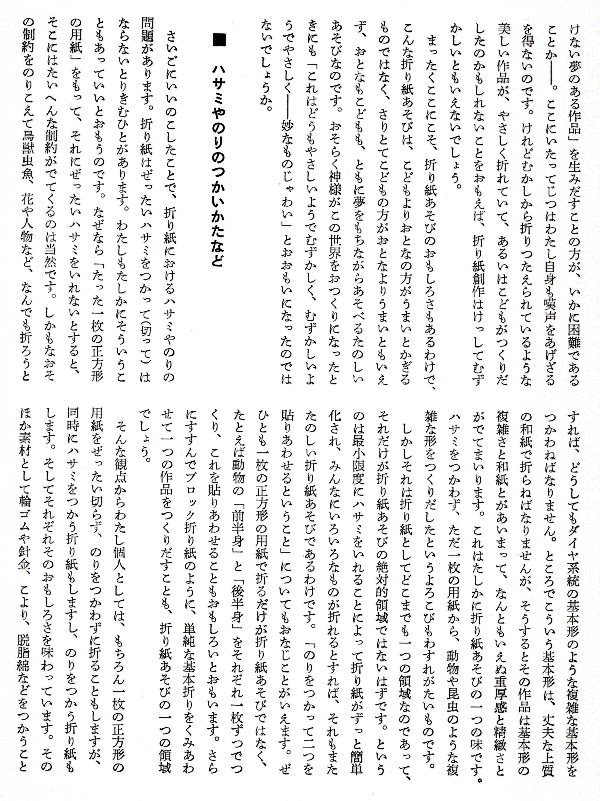
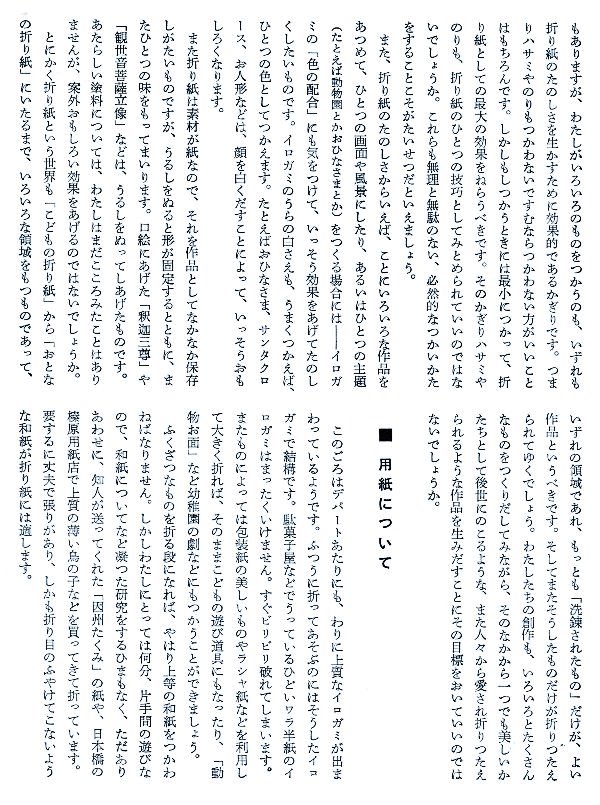
********** Origami Leaves - About Origami Creation
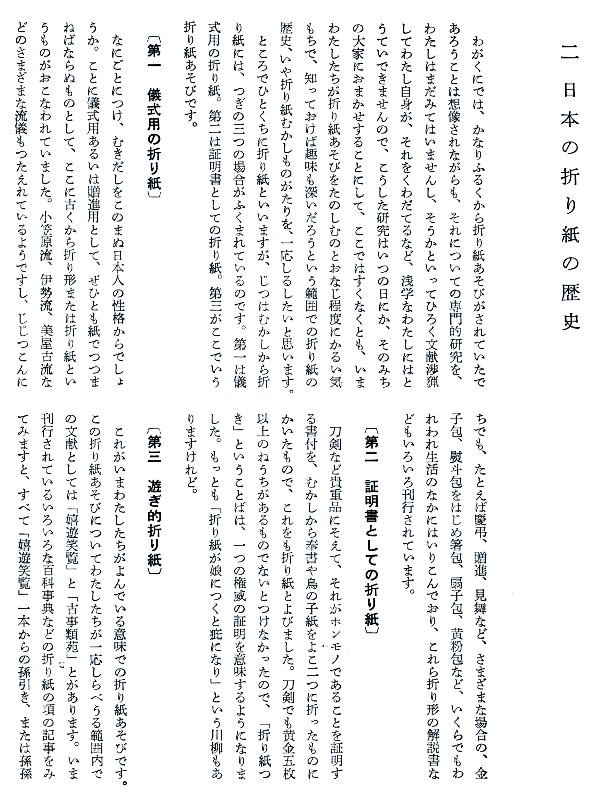
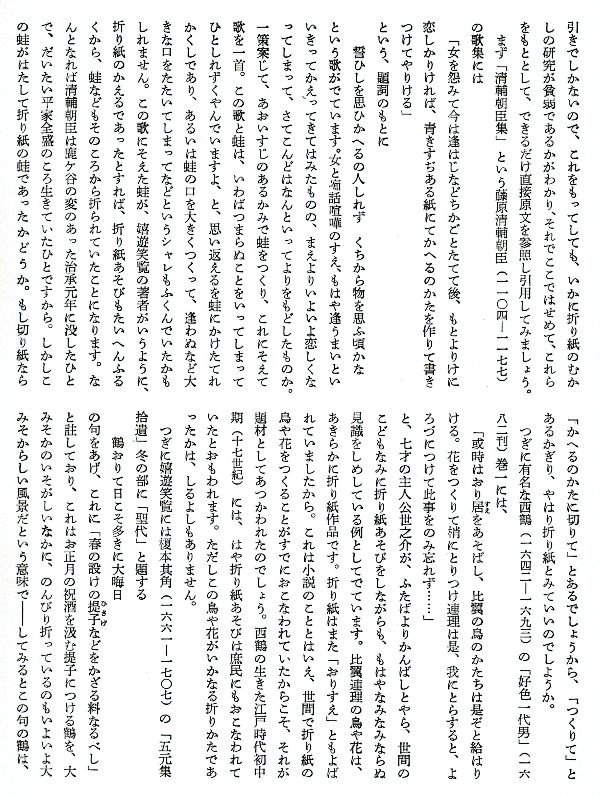
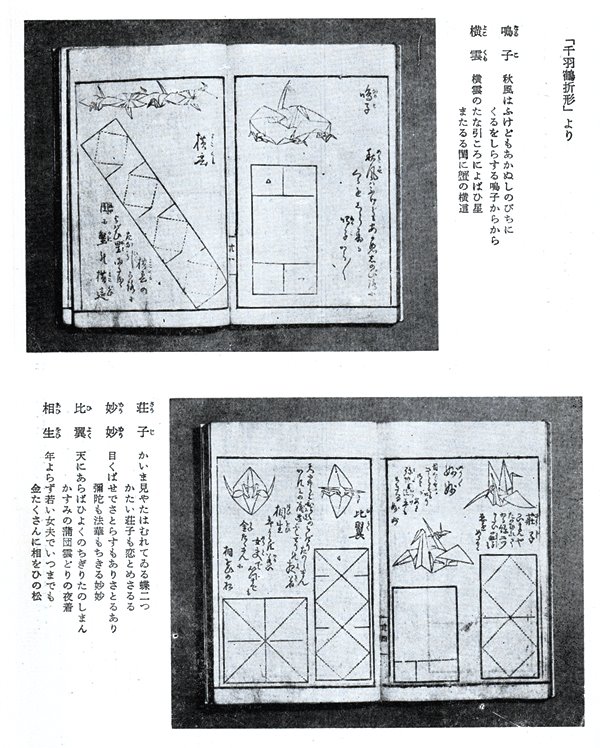
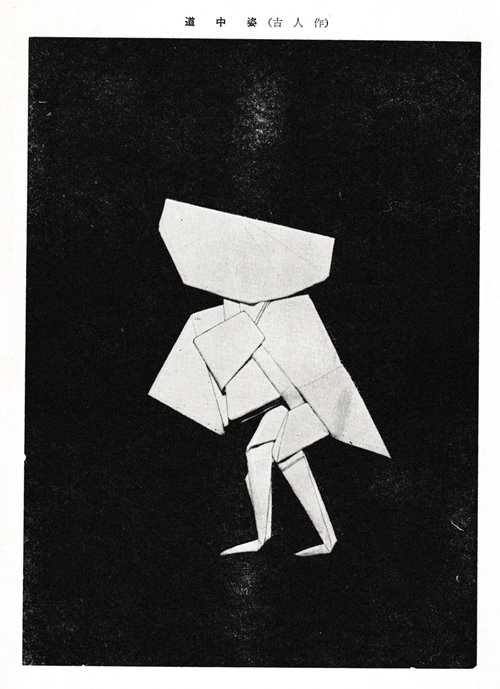
********** Origami Leaves - History of Japanese Origami Much of this section of the work is difficult to understand without a proper translation. Inter alia the author says: '... it is true that since the time of the 19th Century there have been quite a few origami artists who can 'make anything', completely separate from the tradition of paperfolding that has been passed down among children'.
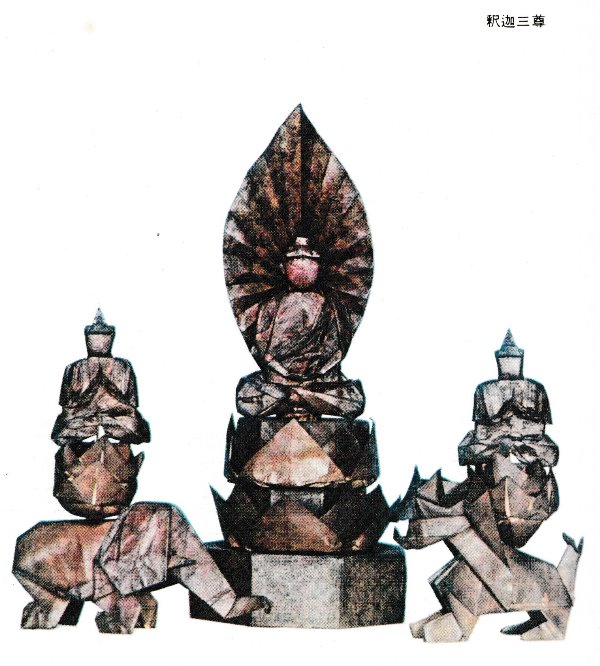
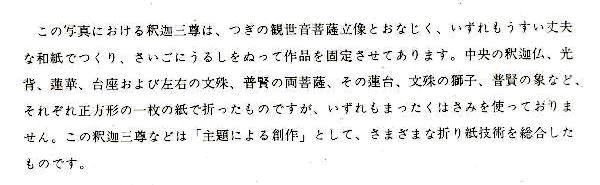
********** Analysis Photographs of finished designs These photographs are only reproduced here if the design does not appear elsewhere in the work. The Shaka Triad The wording says, roughly translated: 'The Shaka Triad in this photograph, like the Standing Bodhisativa Statue below, is made from thin, durable Japanese paper, and is then fixed witrh a coat of lacquer. The central Shaka Buddha, halo, lotus leaves, pedestal, and the two Bodhisativas Manjusri and Fugen on either side, their supporet stand, Manjusri's lion and Fugen's elephant, are all folded from single square sheets of paper, none of them were made using scissors at all. Thius Shaka triad and other works are 'thematic' creations ie they combine a variety of origami techniques.'
***********
**********
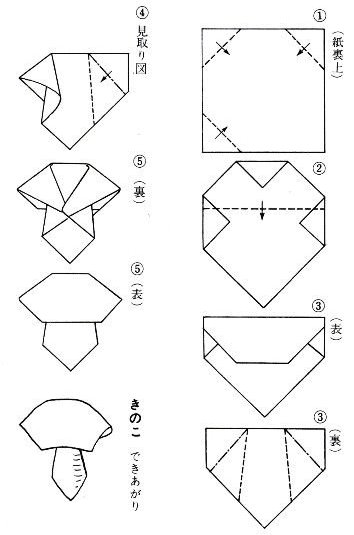
********** Designs explained in the section about Commonly used Folding MethodsI Mushroom
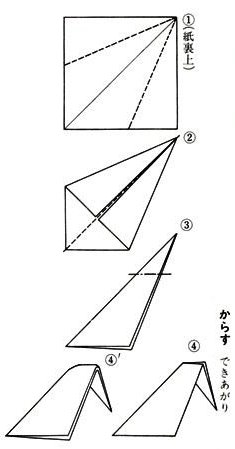
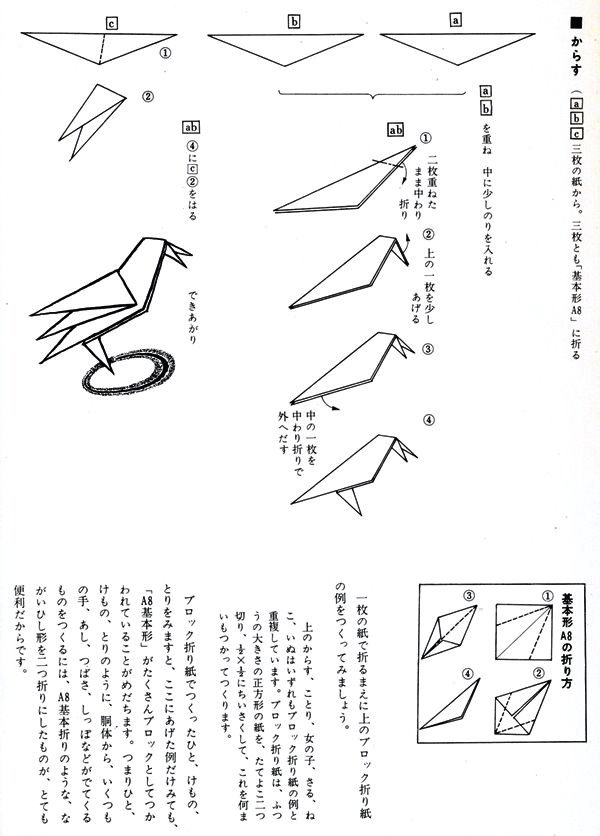
********** Crow - The Simple Crow
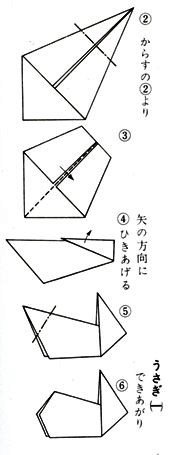
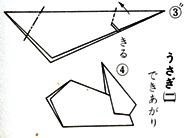
********** Left - Rabbit Right - Cut Rabbit
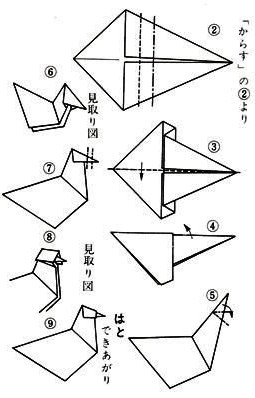
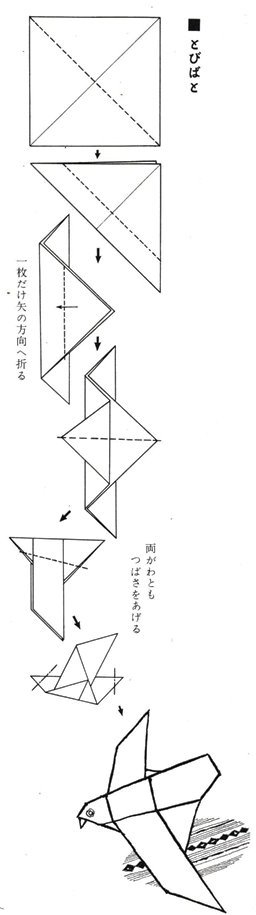
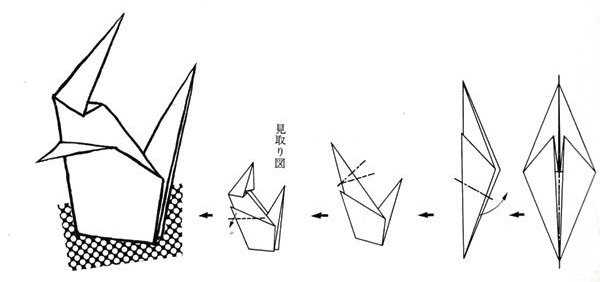
********** Pigeon
********** ********** Part One - Easy Origami
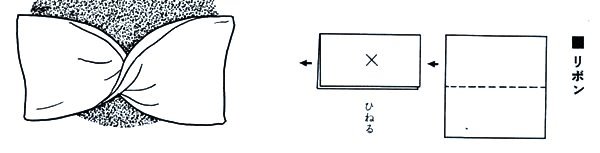
********** Ribbon
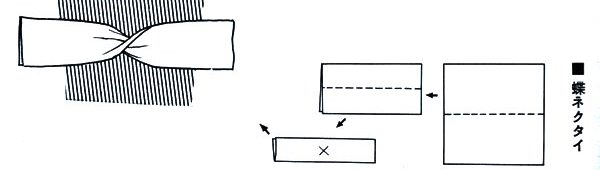
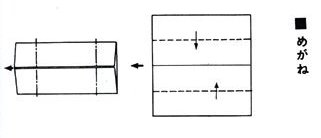
*********** Bow-tie
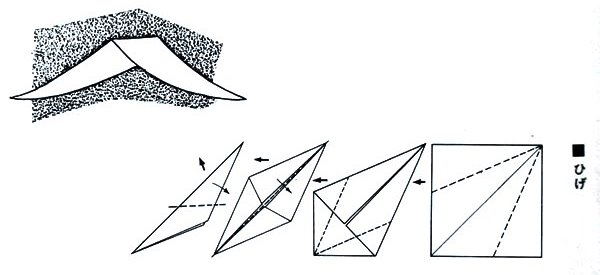
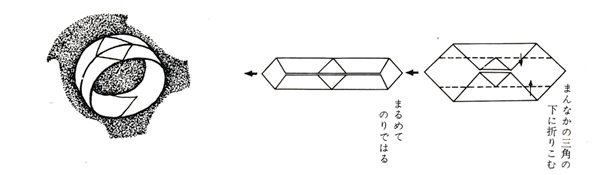
*********** Moustache
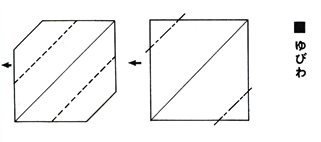
*********** Ring
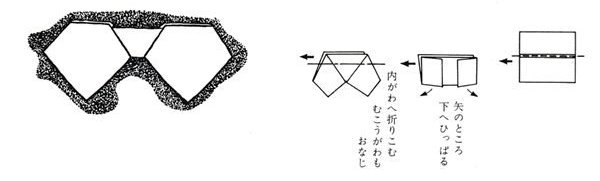
*********** Glasses
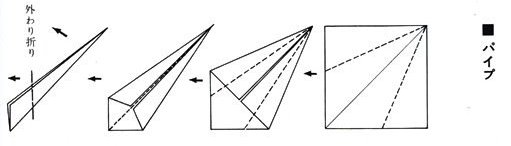
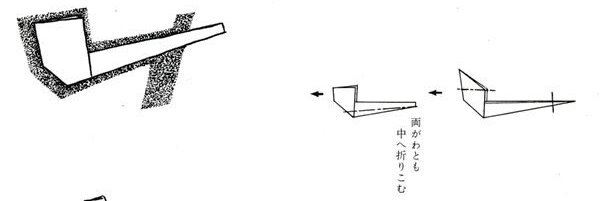
*********** Pipe
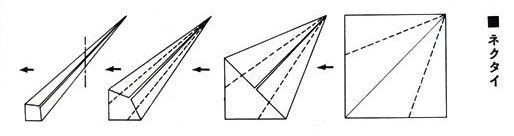
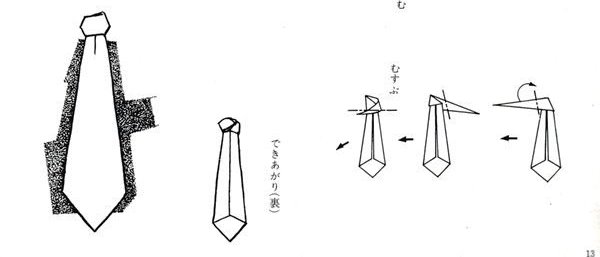
*********** Tie
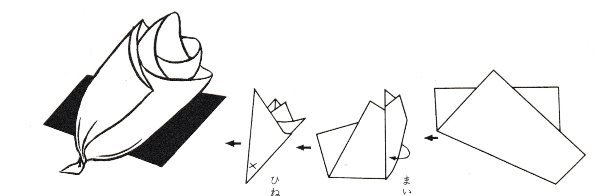
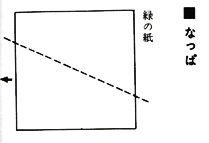
*********** Greens
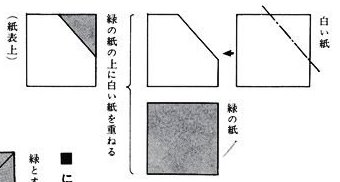
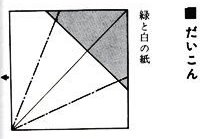
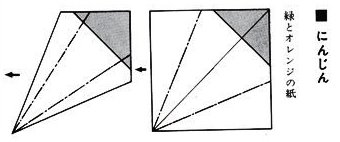
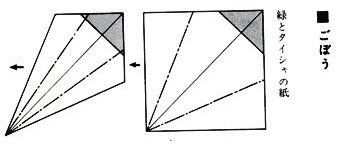
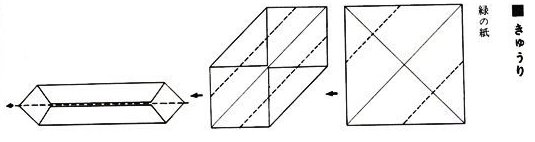
*********** The next three designs are folded from two squares of paper, white and green, folded together thus:
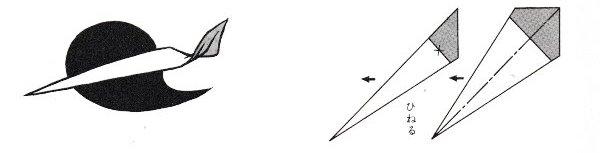
********** Radish
*********** Carrot
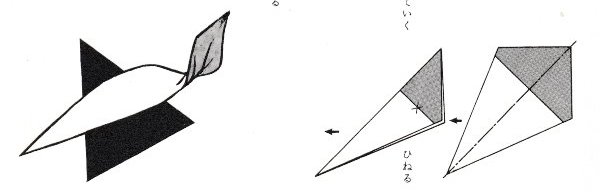
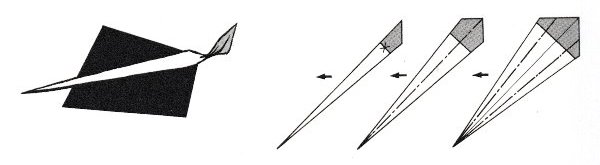
*********** Burdock
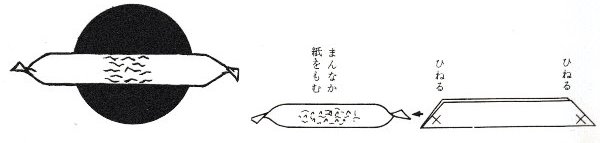
*********** Cucumber
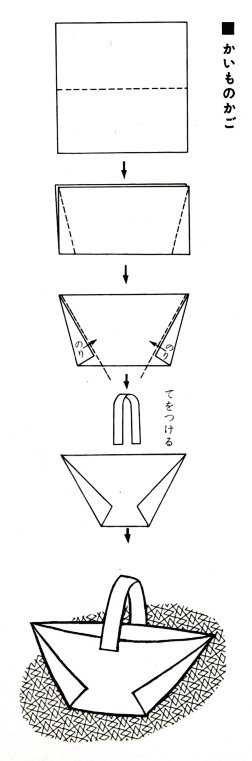
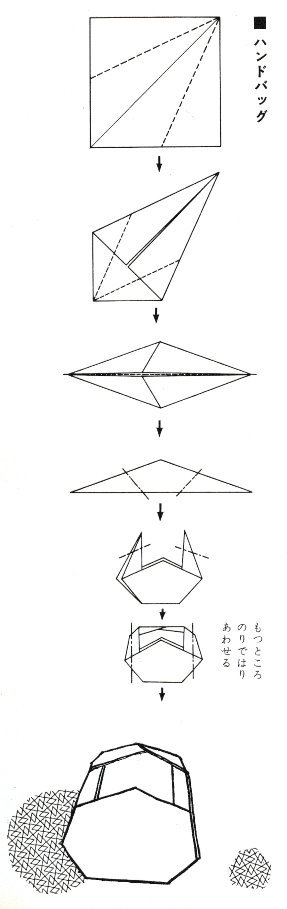
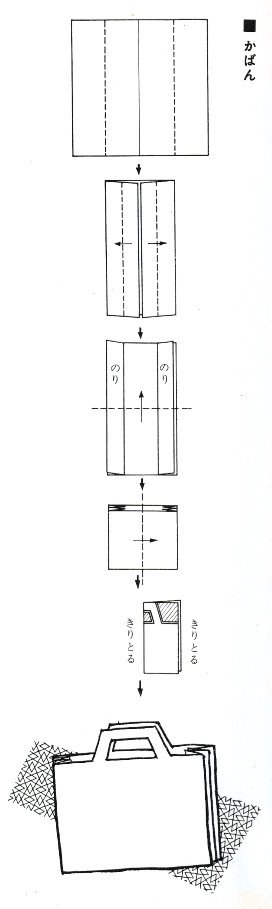
*********** Left - Basket Centre - Handbag Right - Bag
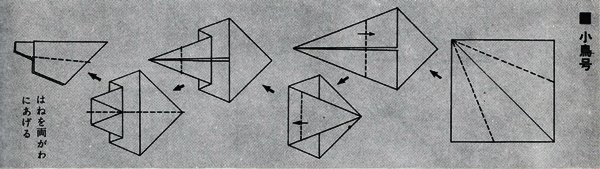
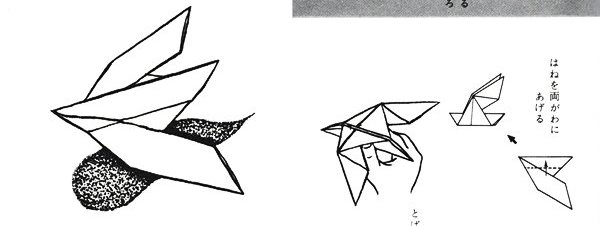
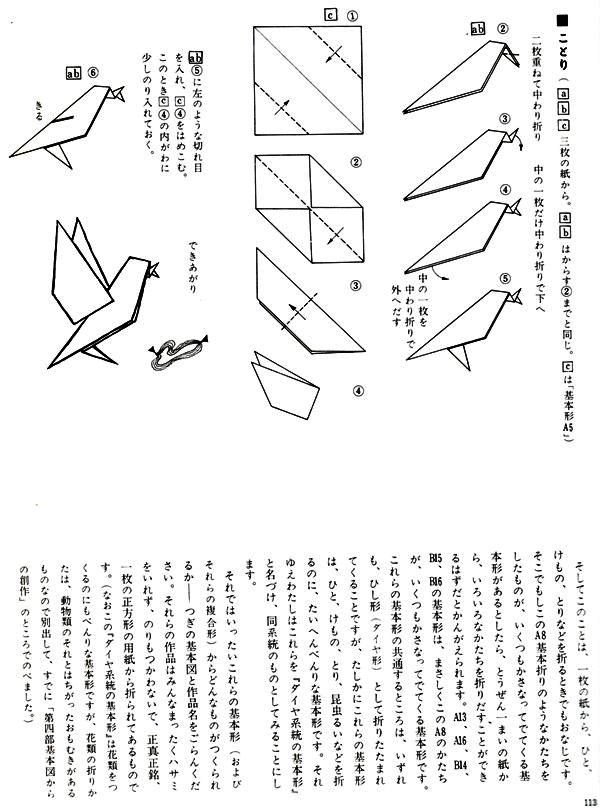
*********** Little Bird
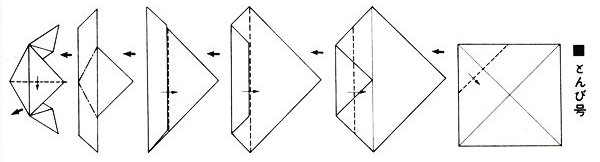
*********** Kite
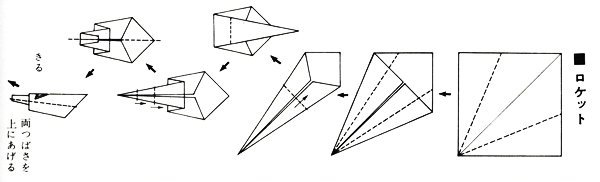
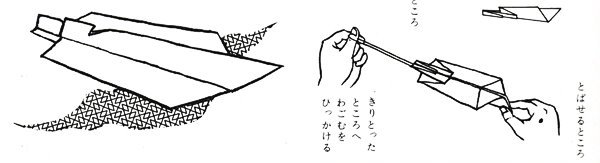
*********** Rocket - Rubber Band Launched Plane
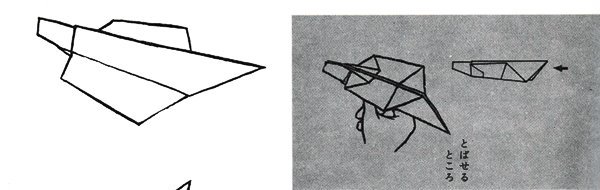
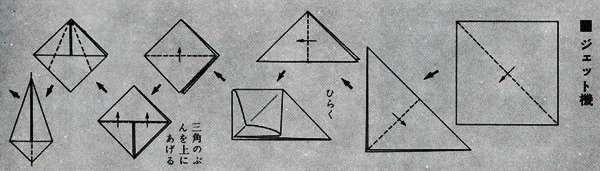
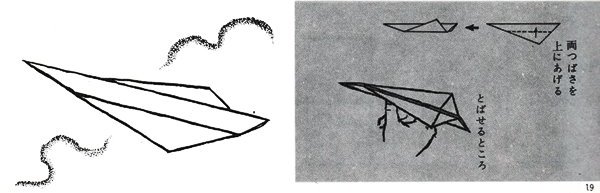
*********** Jet Plane
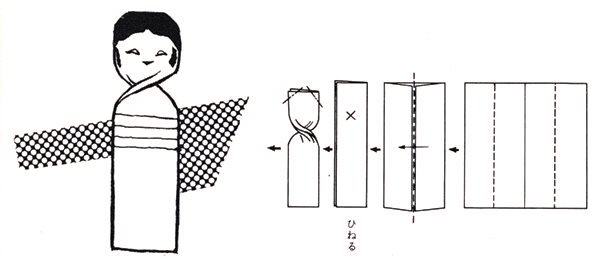
*********** Kokeshi Doll
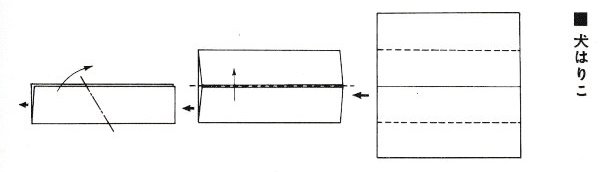
*********** Papier-Mache Dog (cut)
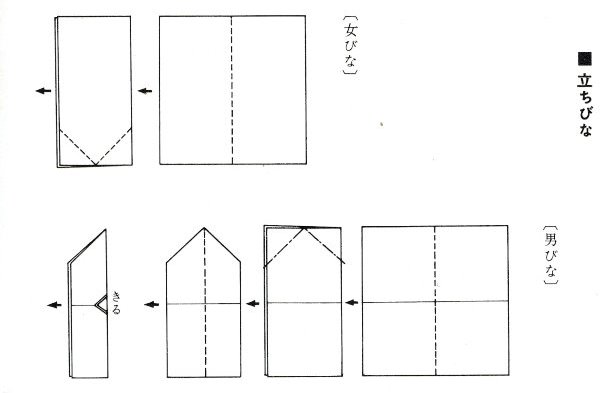
*********** Male and Female Standing Figures (cut)
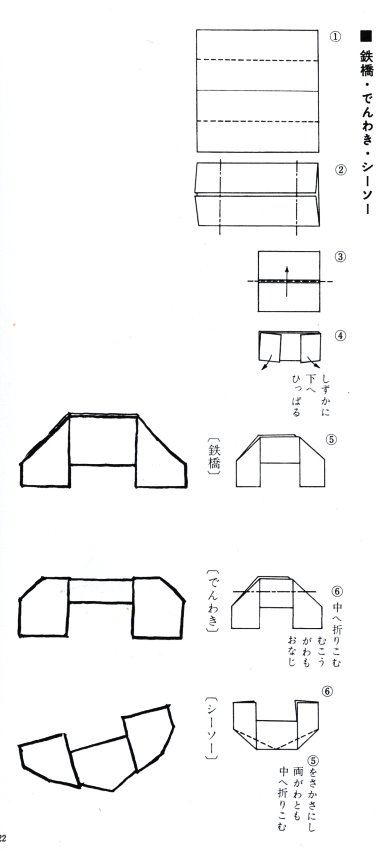
*********** Left - Railway Bridge / Telephone / Seesaw Right - Shuttlecock
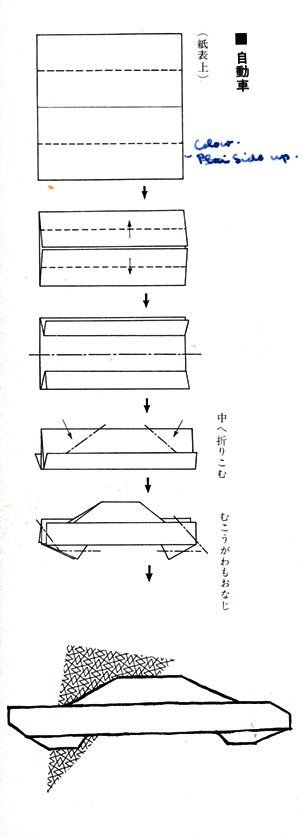
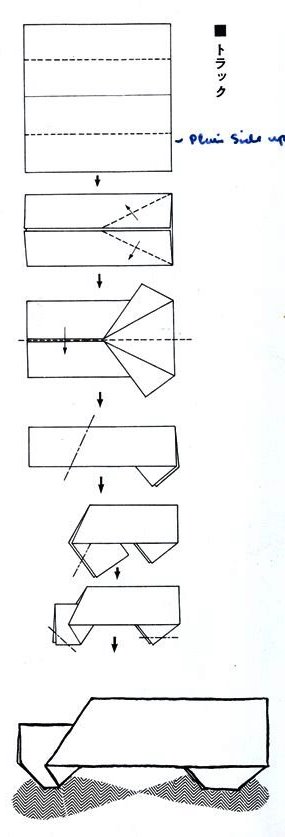
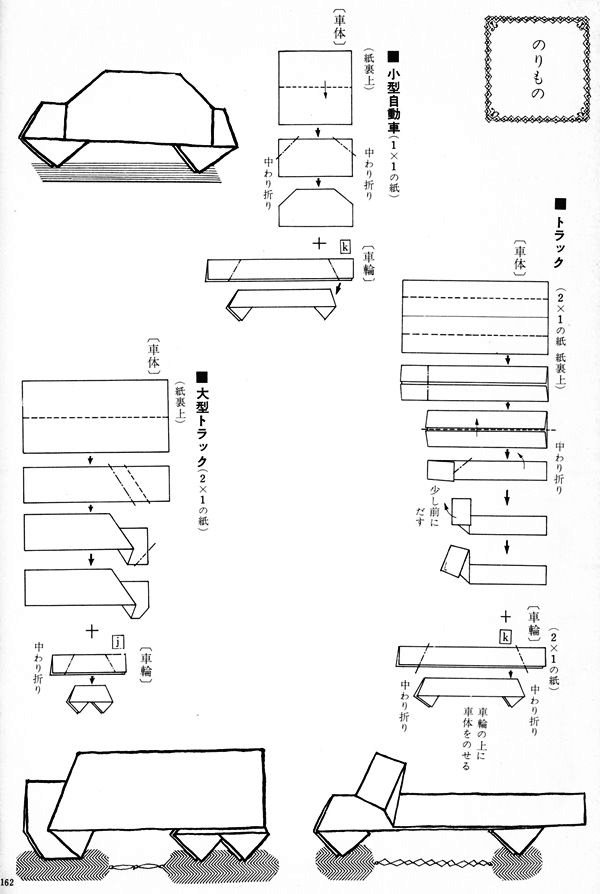
*********** Left - Car Right - Truck
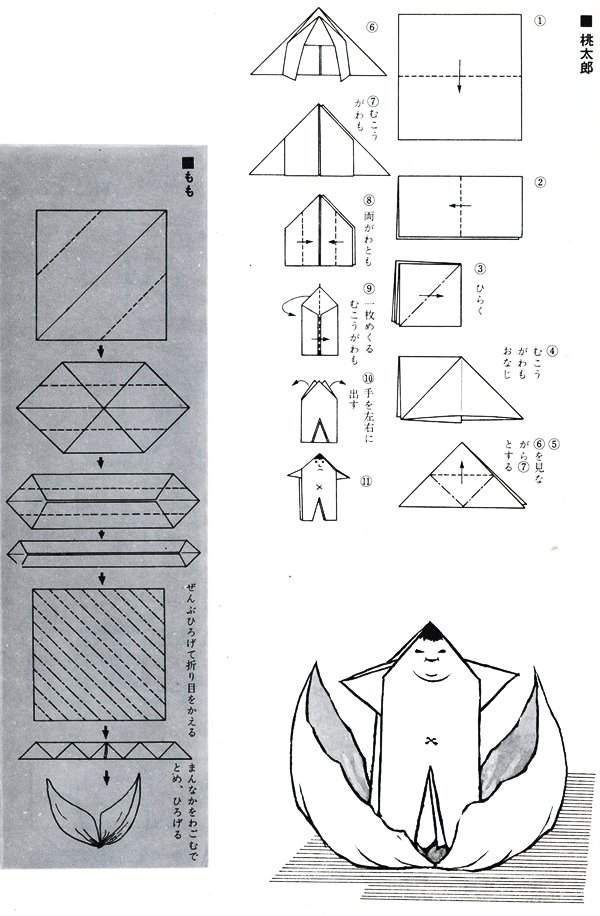
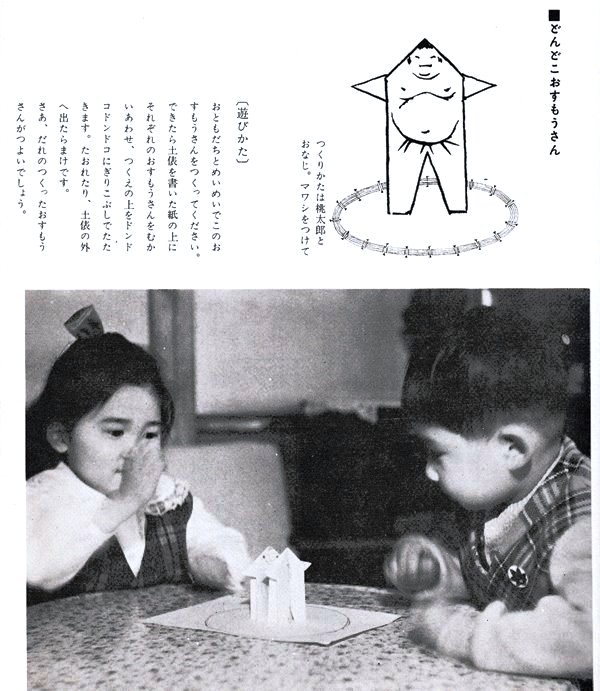
*********** Momo (peach) and Momotaro (peach-boy) / Sumo Wrestler
This design is also presented as a Sumo Wrestler:
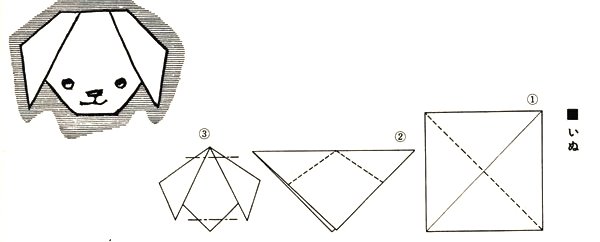
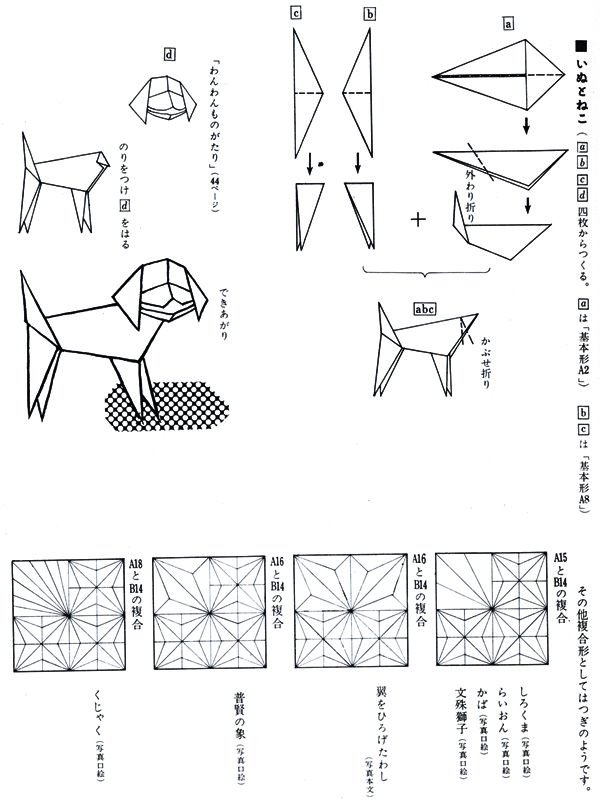
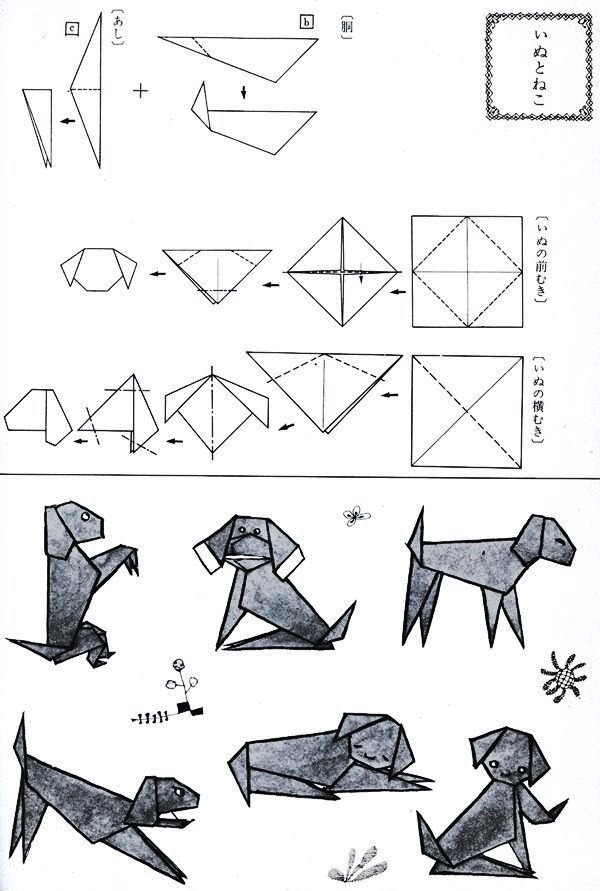
*********** Dog
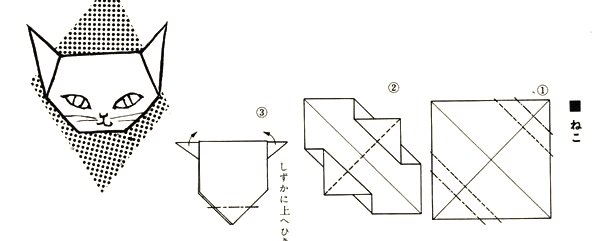
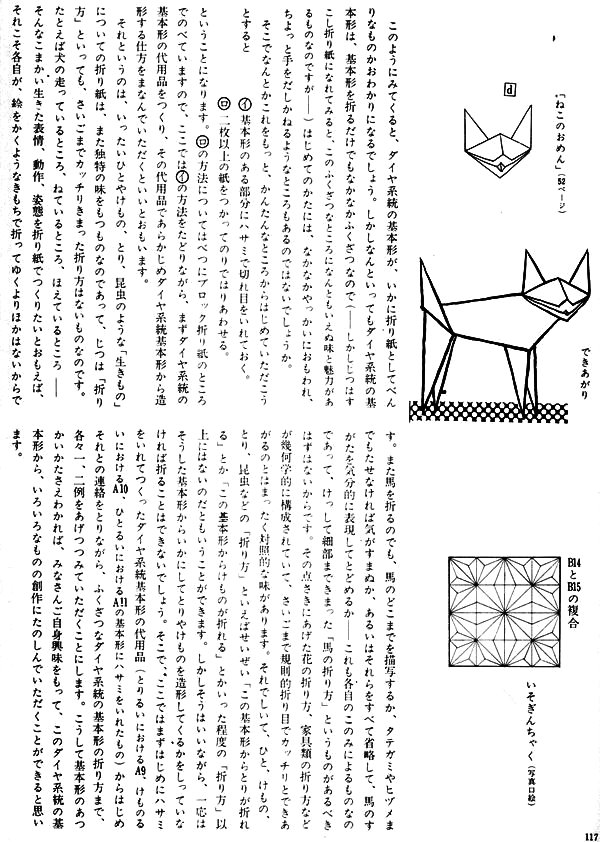
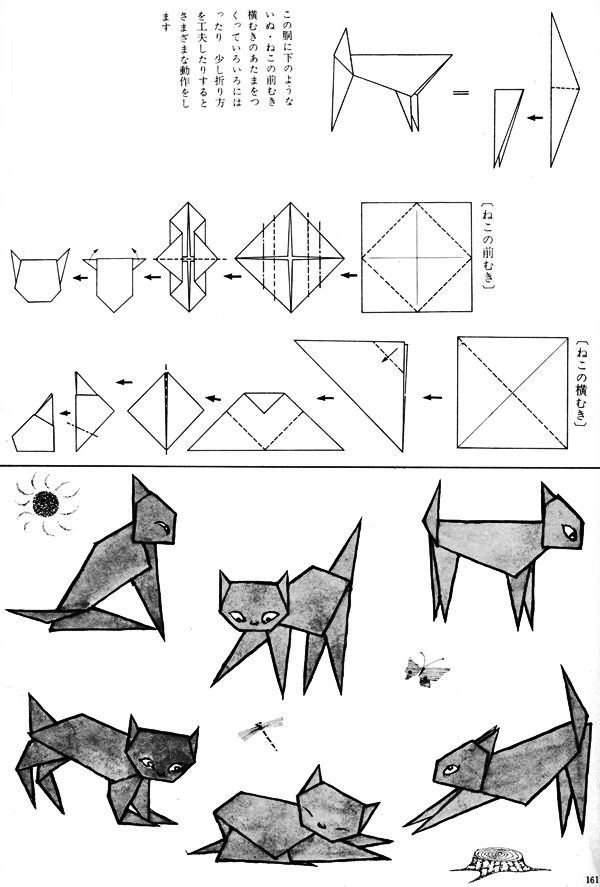
*********** Cat
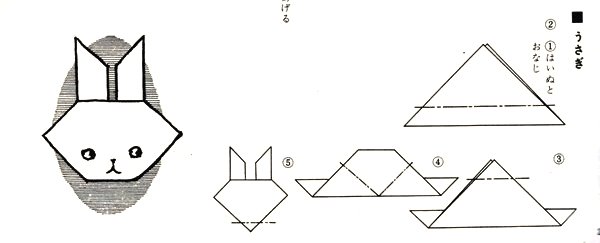
*********** Rabbit
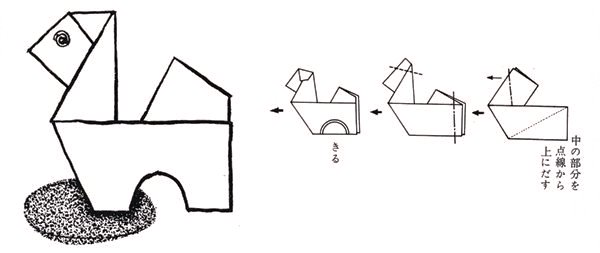
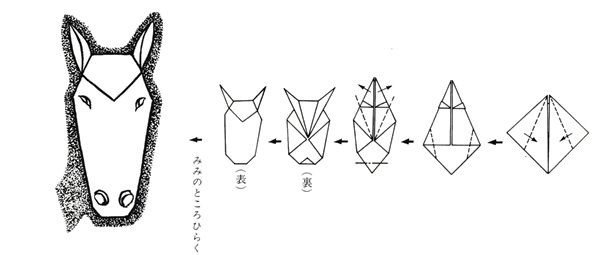
*********** Horse
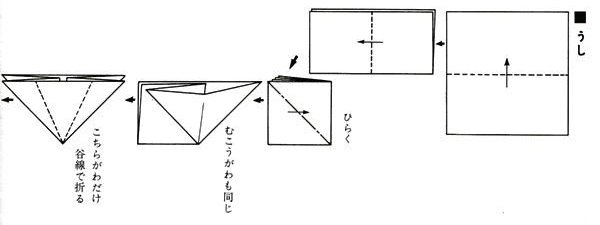
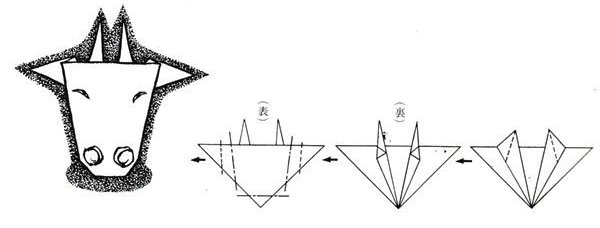
*********** Cow
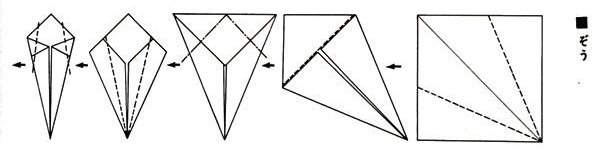
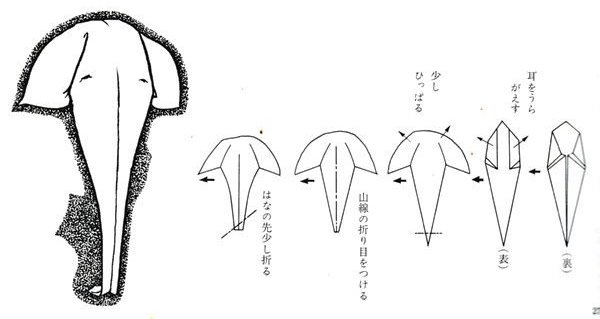
*********** Elephant
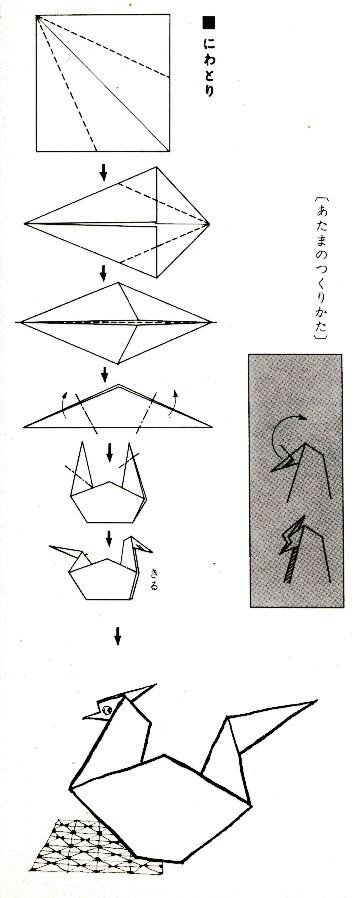
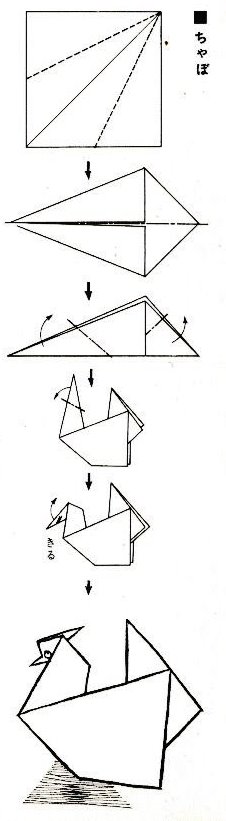
*********** Left - Chicken (cut) Right - Bantam (cut)
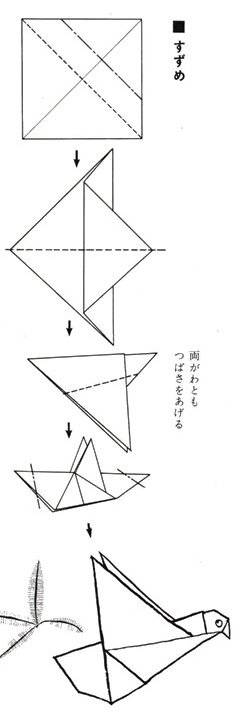
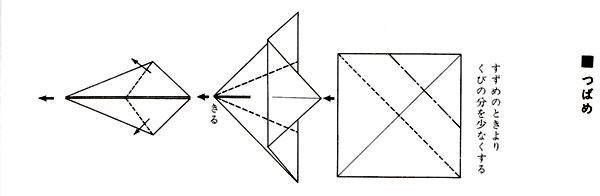
*********** Left - Sparrow Right - Black Kite
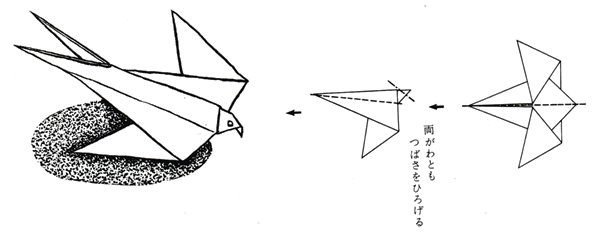
*********** Swallow (cut)
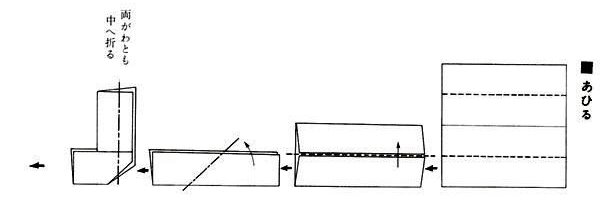
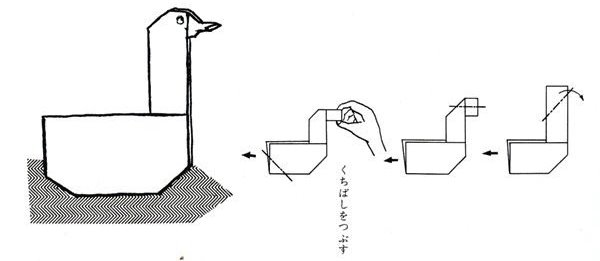
*********** Duck
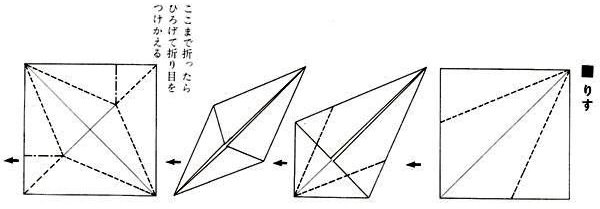
*********** Squirrel
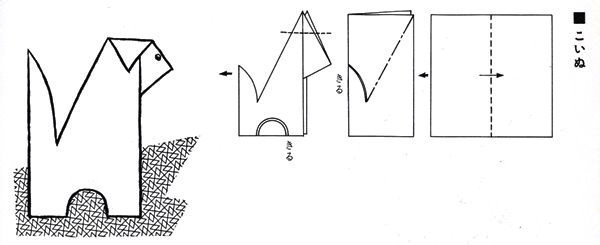
*********** Puppy (cut)
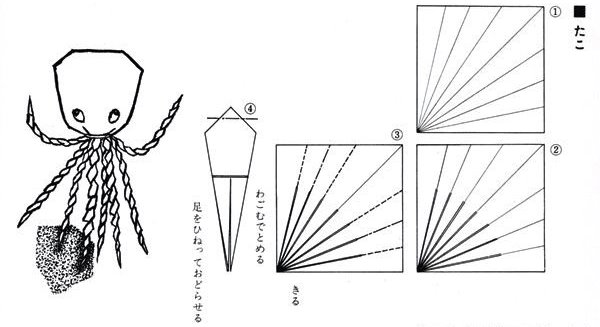
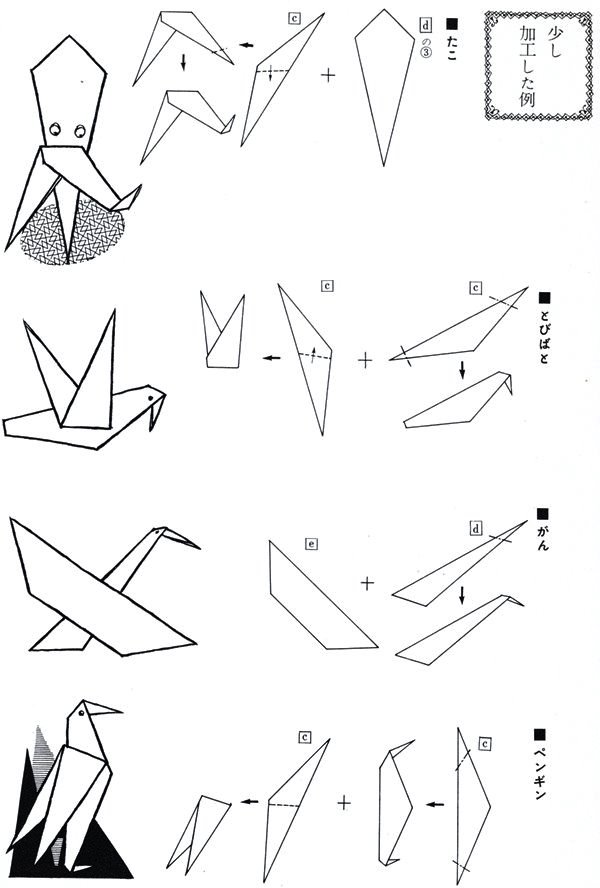
*********** Octopus (cut)
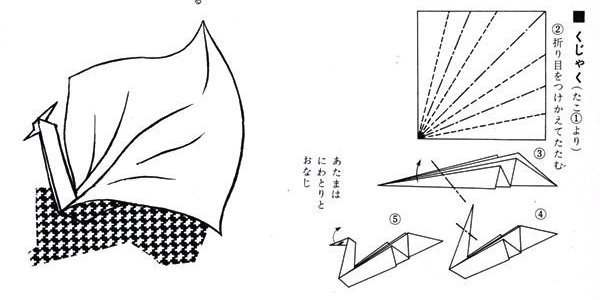
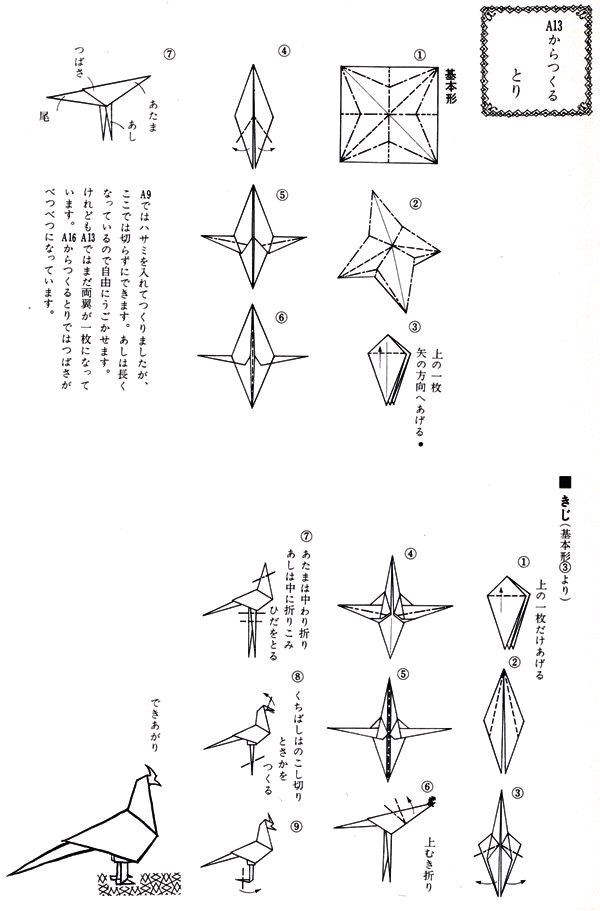
*********** Peacock
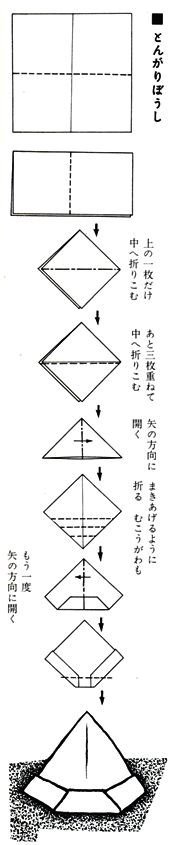
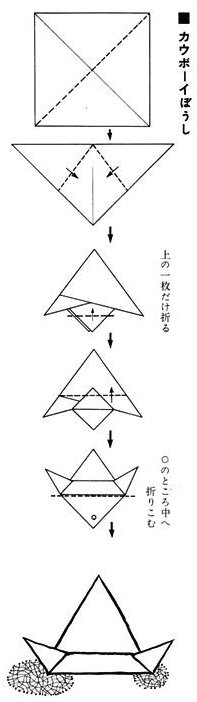
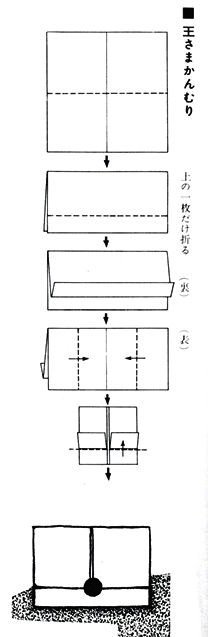
*********** Left - Pointed Hat Centre - Cowboy Hat Right - King's Crown
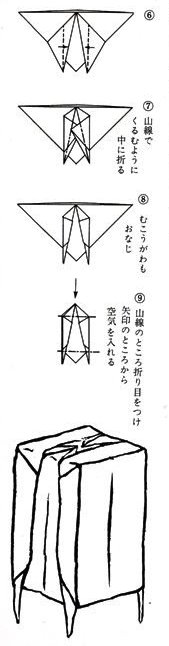
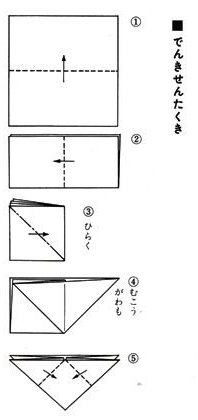
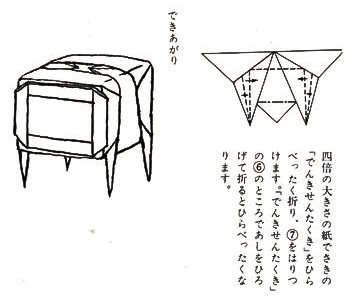
*********** Electric Washing Machine
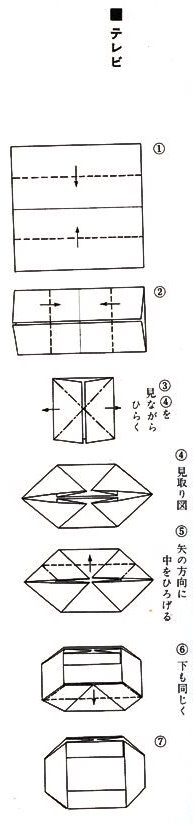
*********** Television
*********** Change - Japanese Multiple Folding Picture Form
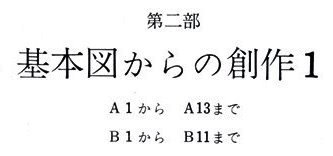
*********** Part Two - Creation from Basic Forms 1 (A1 to A13, B1 to B11)
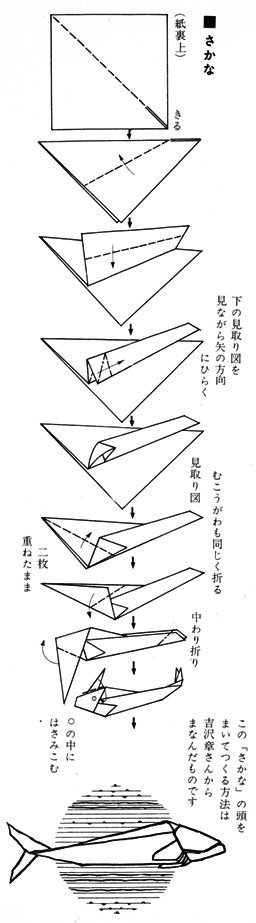
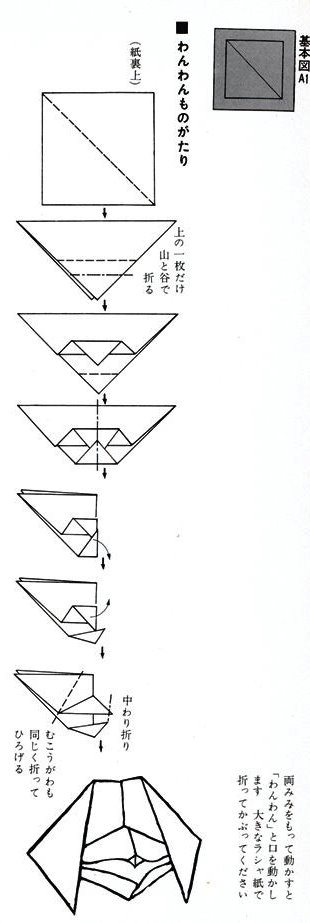
********** Basic Form A1 Left - Fish Right - Dog (action design_
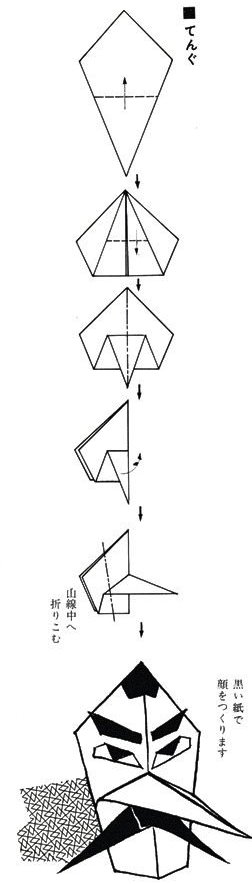
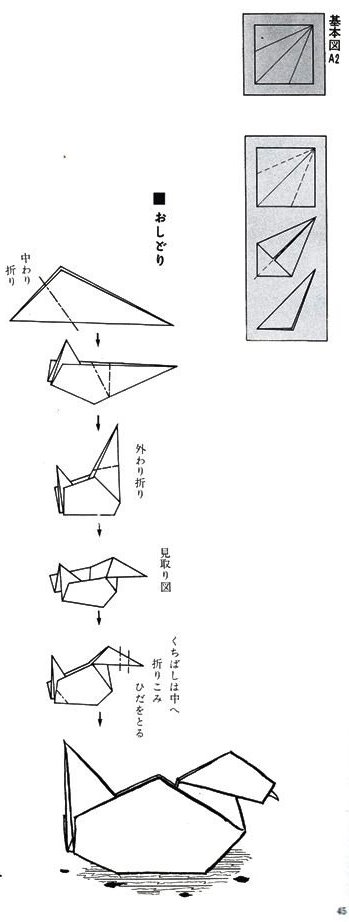
********** Basic Form A2 Left - Tengu (heavenly dog) Right - Mandarin Duck
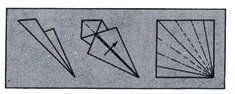
********** Basic Form A3
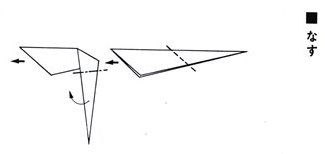
Eggplant
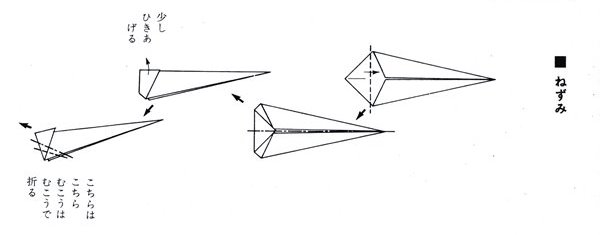
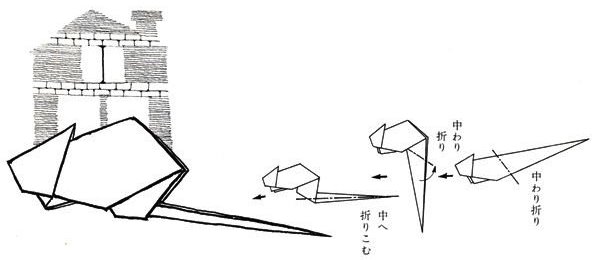
********** Mouse
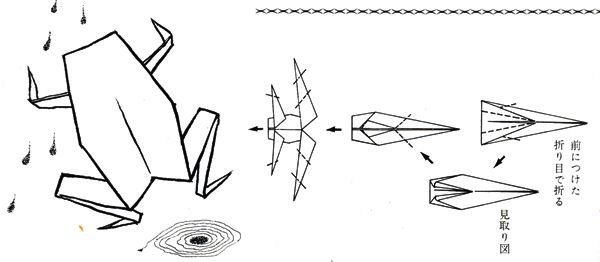
********** Frog (cut)
**********
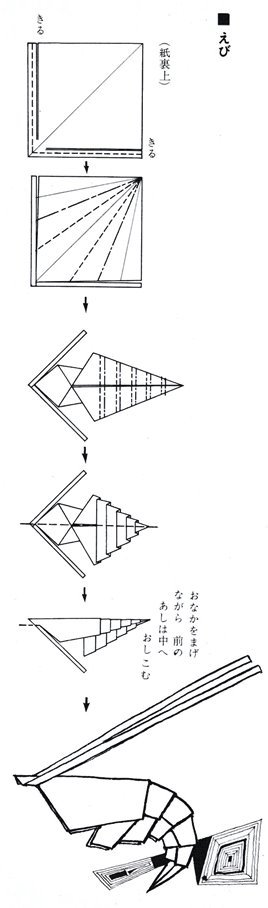
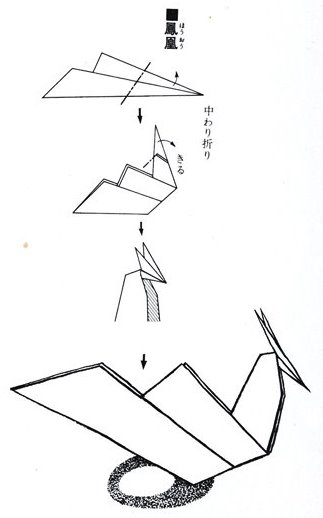
Left - Shrimp (cut) Right - Phoenix (cut)
**********
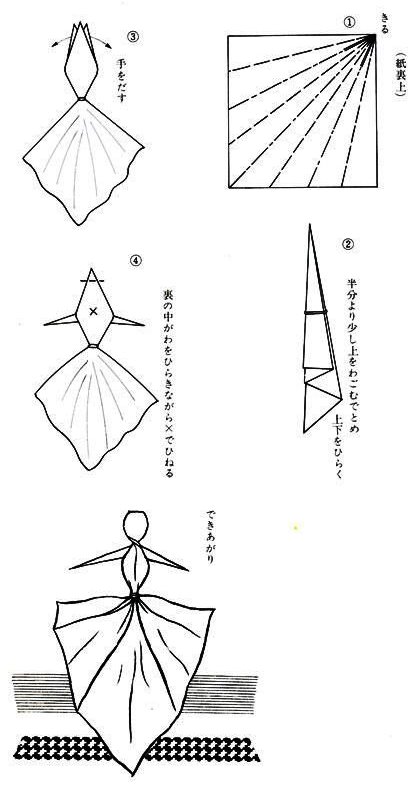
Doll (cut)
**********
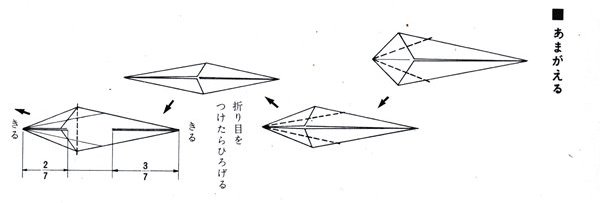
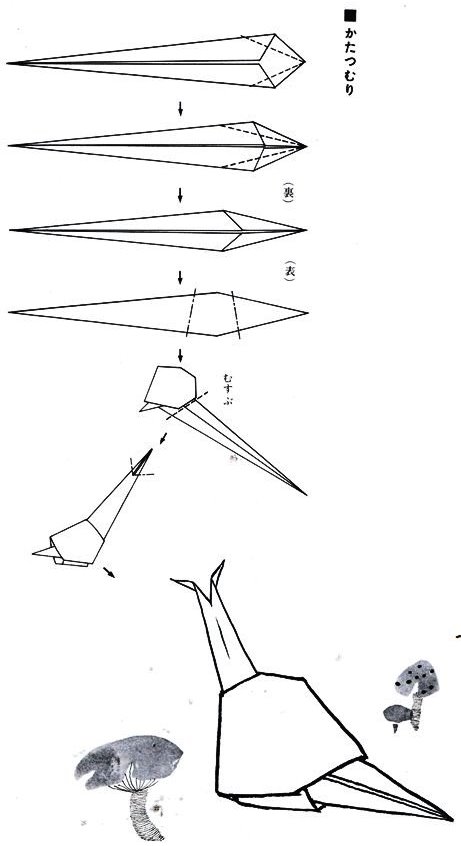
Snail (cut)
********** Basic Form A4
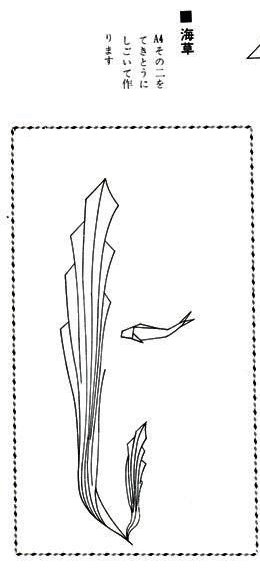
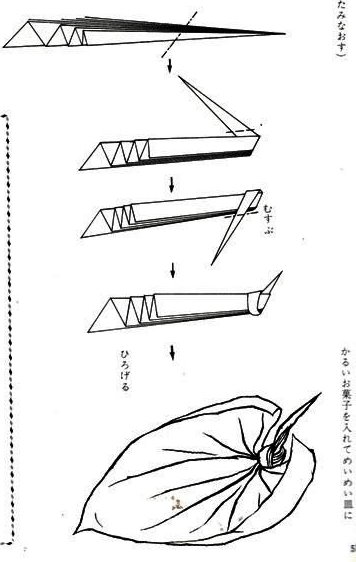
Left - Seaweed Right - Leaf Plate
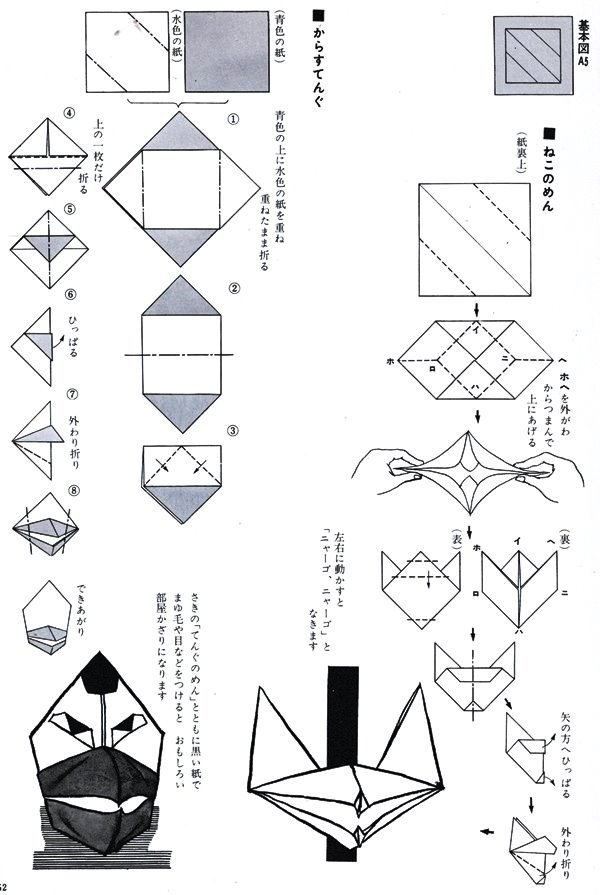
********** Basic Form A5 Left - Karasutengu (crow-billed goblin) Right - Cat
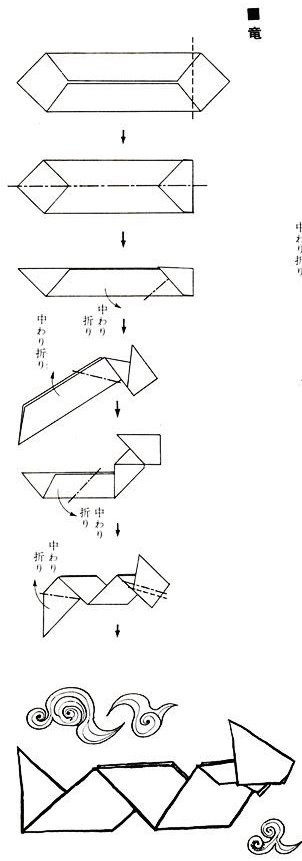
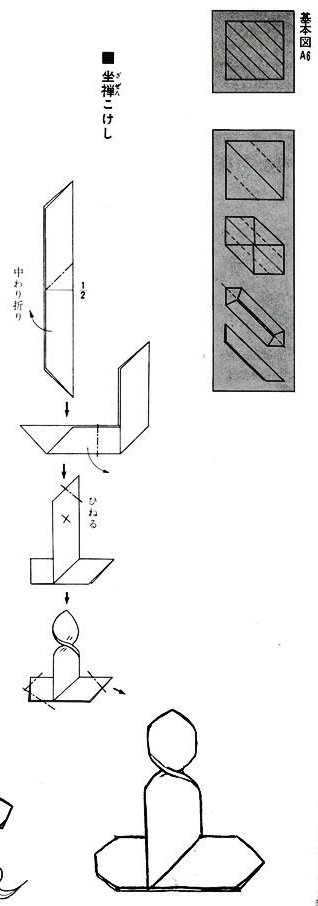
********** Basic Form A6 Left - Dragon Right - Zazen Kokeshi (meditating, cross-legged, Kokeshi doll)
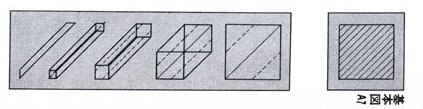
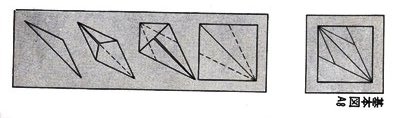
********** Basic Form A7
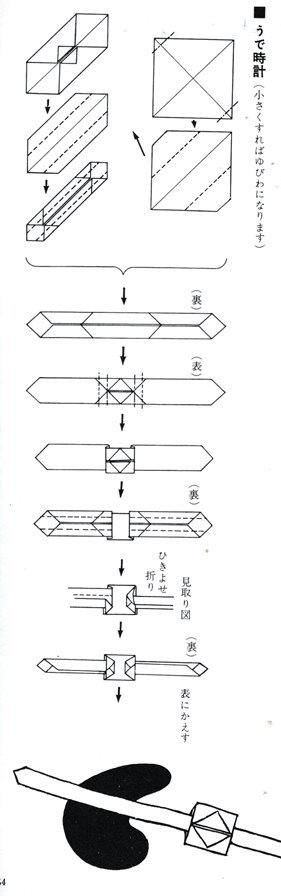
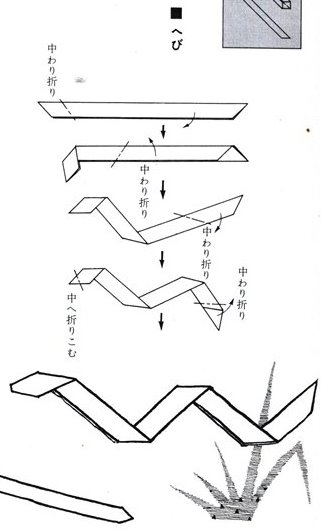
Left - Watch Right - Snake
********** Basic Form A8
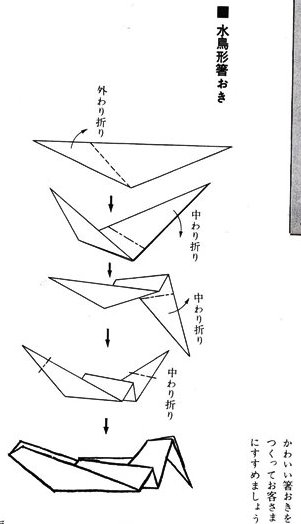
Left - Chick (action design) Right - Waterfowl Chopstick Rest
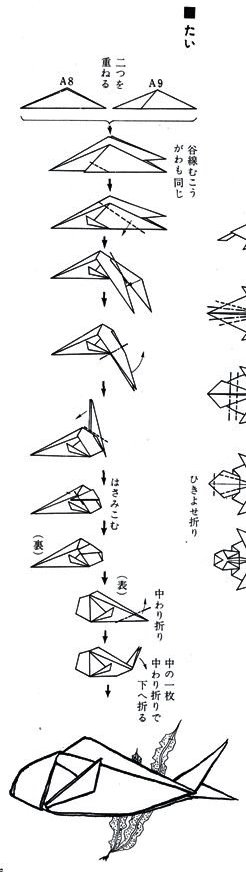
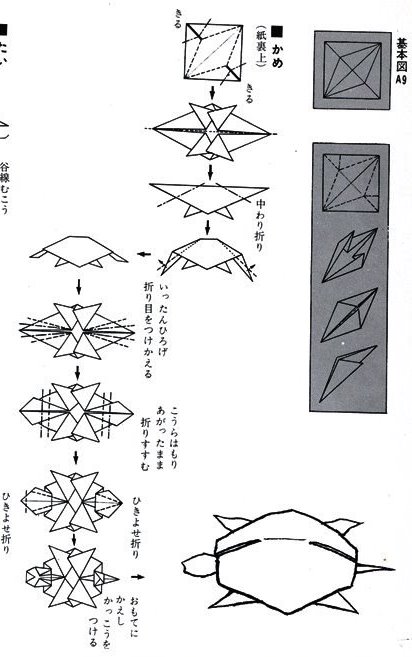
********** Basic Form A9 Left - Fish (compound) Right - Tortoise (cut)
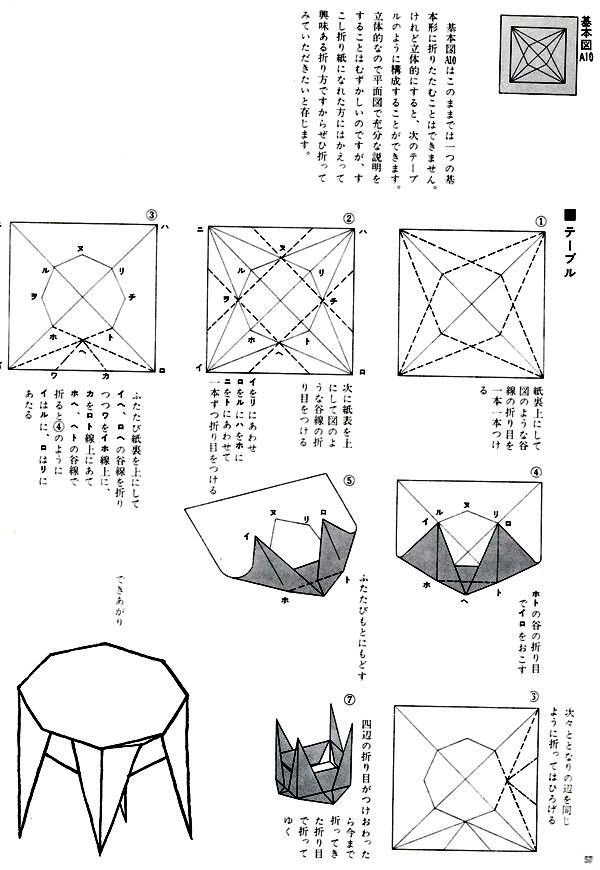
********** Basic Form A10 Table
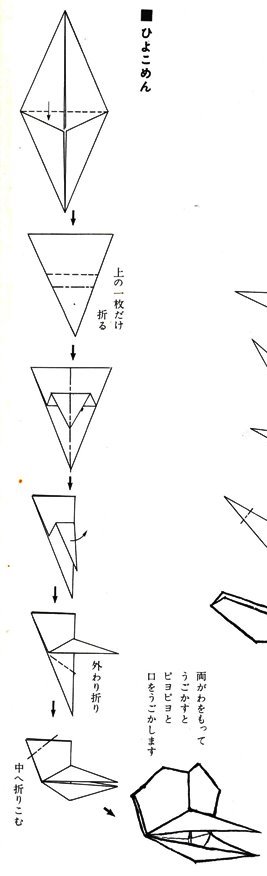
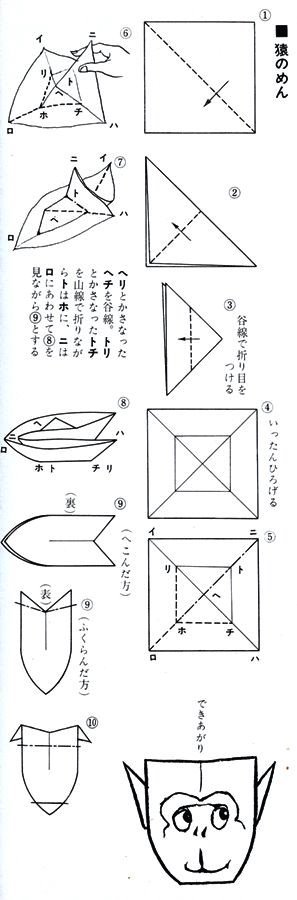
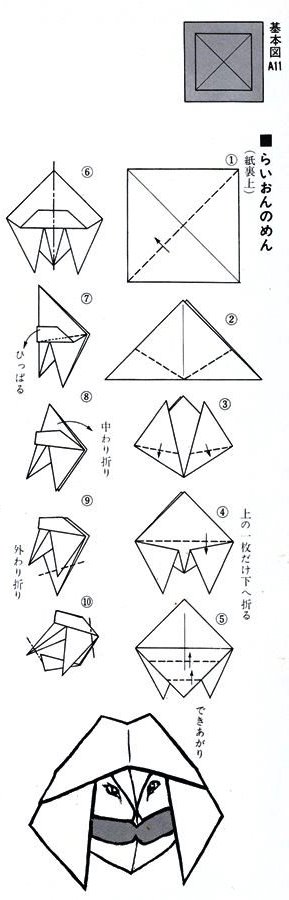
********** Basic Form A11 Left - Monkey Face Right - Lion Face
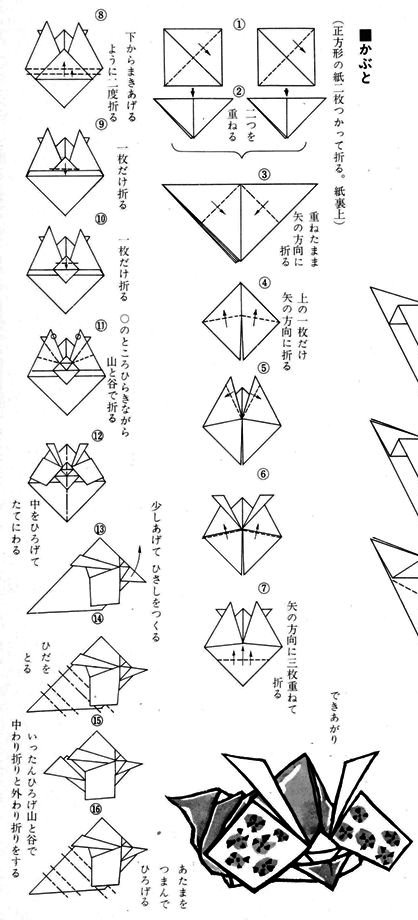
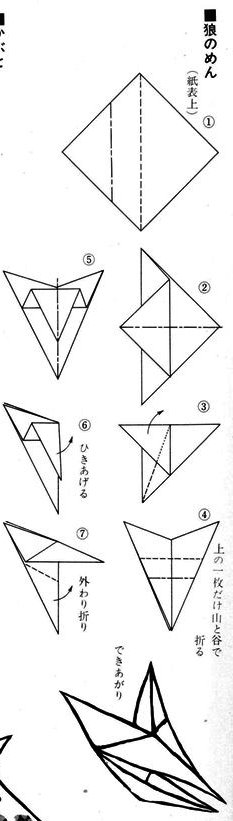
********** Left - Helmet (from two squares) Right - Wolf Head
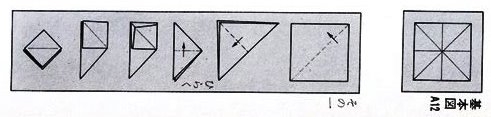
********** Basic Form A12
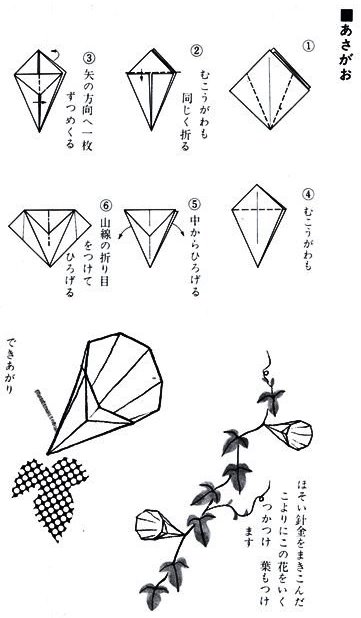
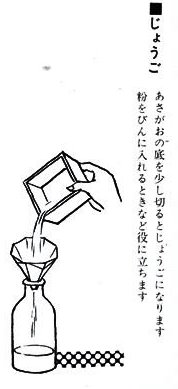
Left - Morning Glory Right - Funnel (cut)
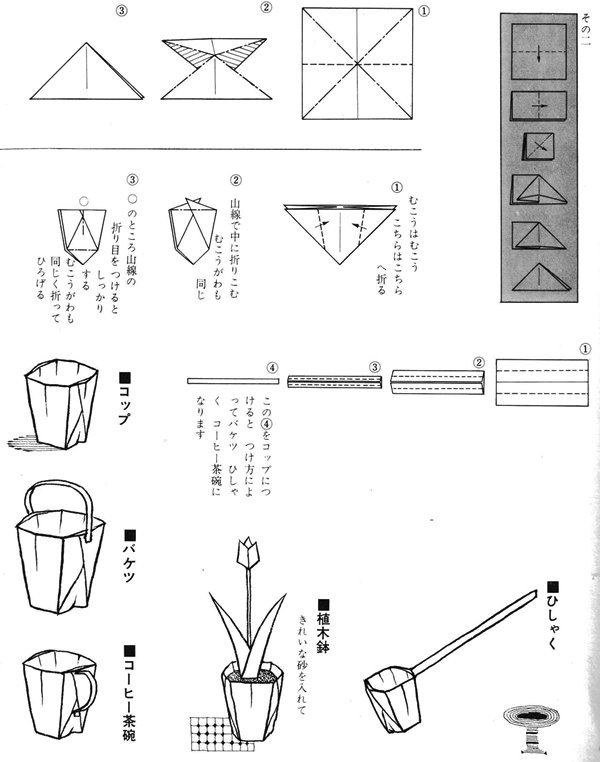
********** Cup / Plant Pot Accessorised with handles as Bucket / Coffee Mug / Ladle
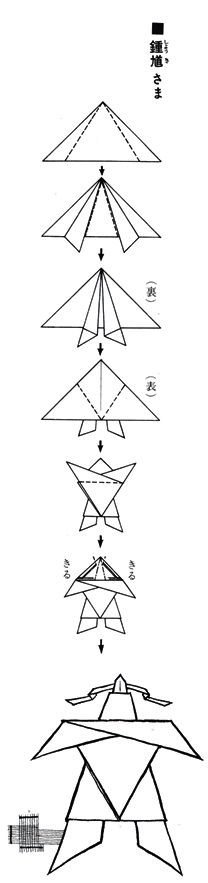
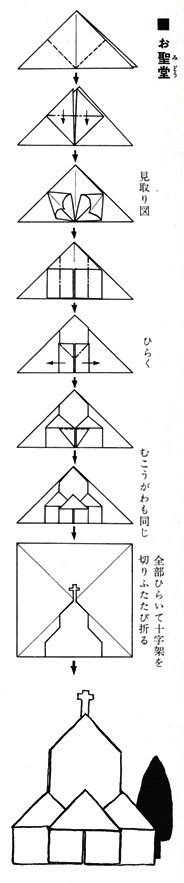
********** Left - Kewpie (cut) Centre - Shoki (cut) - figure from Japanese folklore Right - Cathedral (cut) - The Church
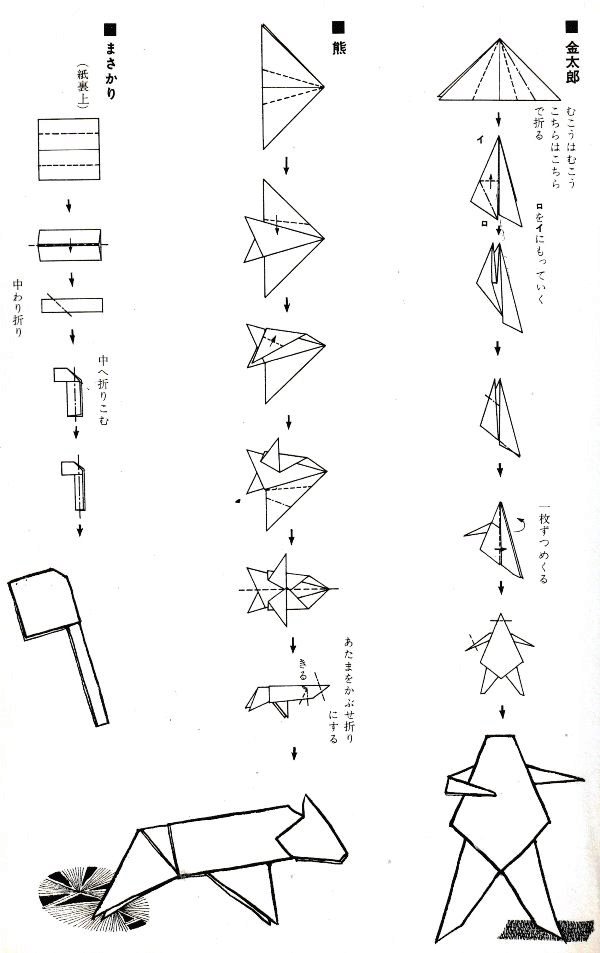
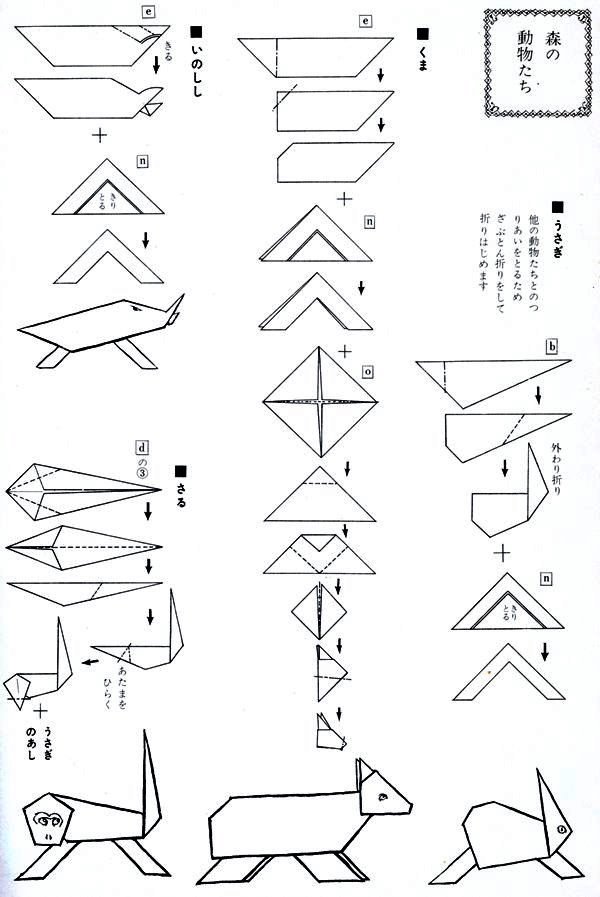
********** Left - Axe Centre - Bear Right - Kintaro (Golden Boy)
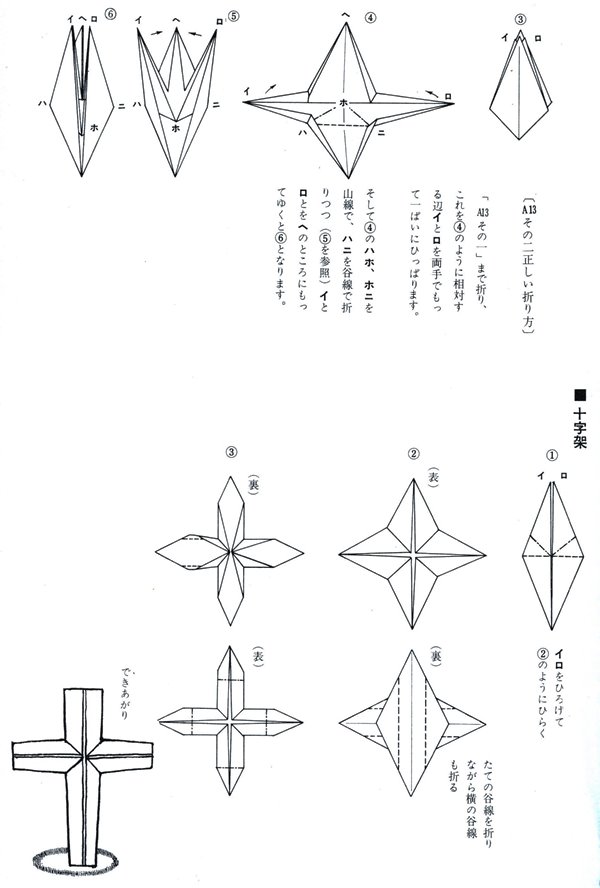
********** Cross (from a stretched bird base)
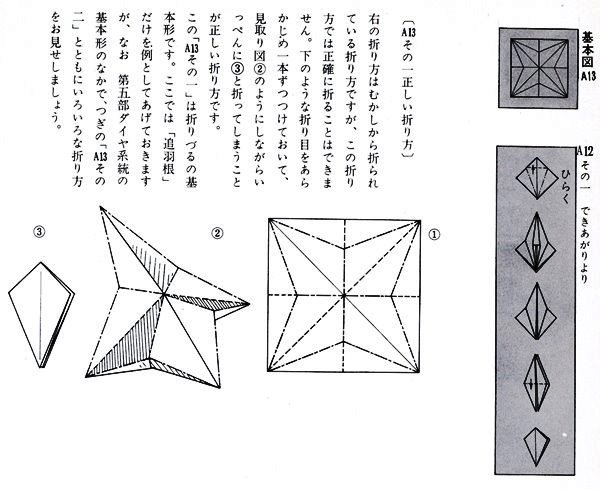
********** Basic Form A13
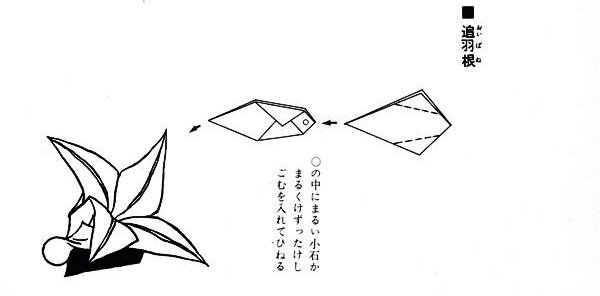
********** Shuttlecock
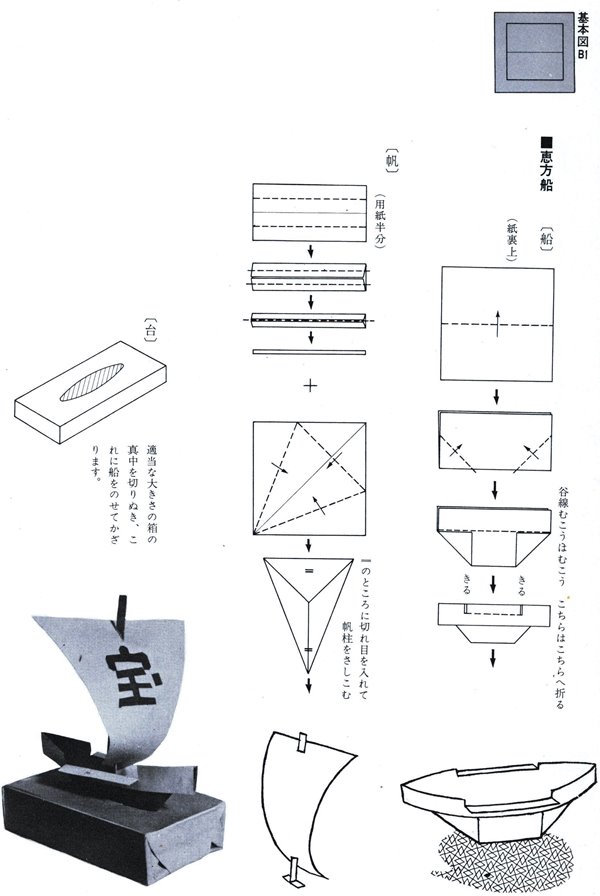
********** Basic Form B1 Boat with Sail (cut)
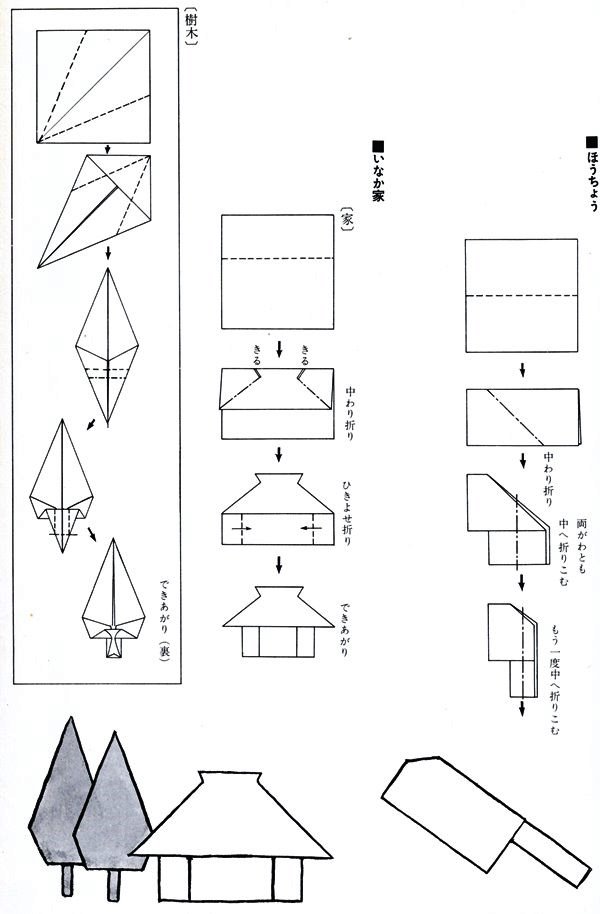
********** Left - Tree Centre - Cottage (cut) Right - Kitchen Knife
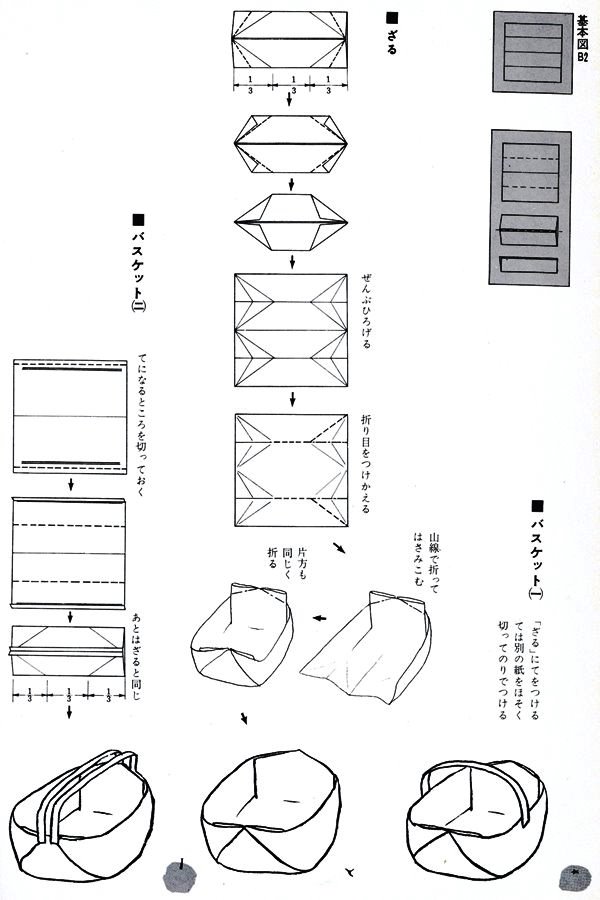
********** Basic Form B2 Left - Basket (cut) Centre - Colander Right - Basket (with separate handle)
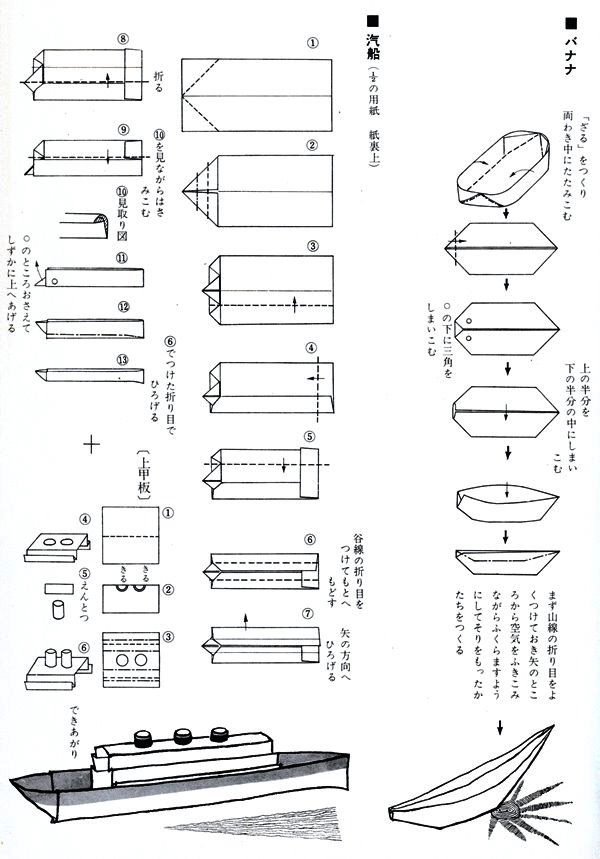
********** Left - Steamship (cut) (compound) Right - Banana
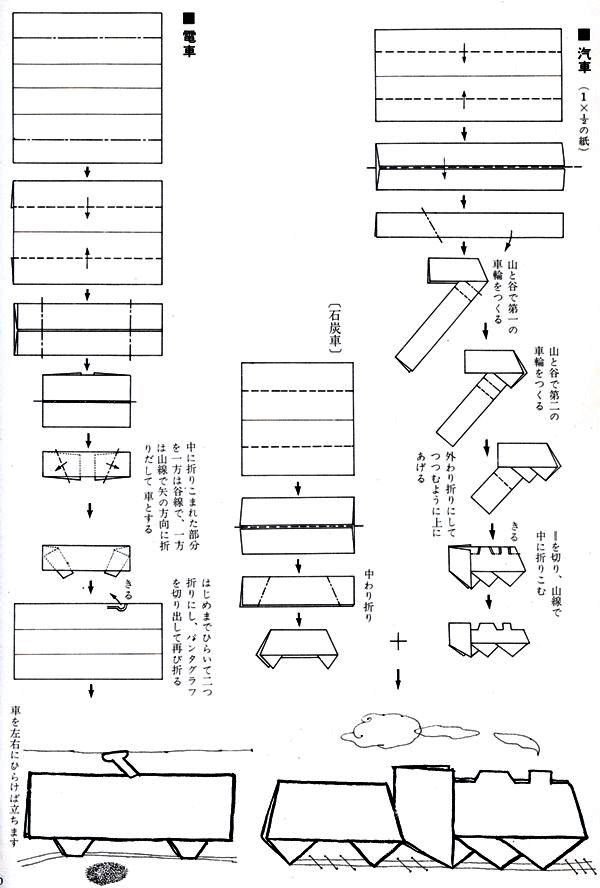
********** Left - Truck (cut) - with pantograph Centre - Coal Truck Right - Train (cut)
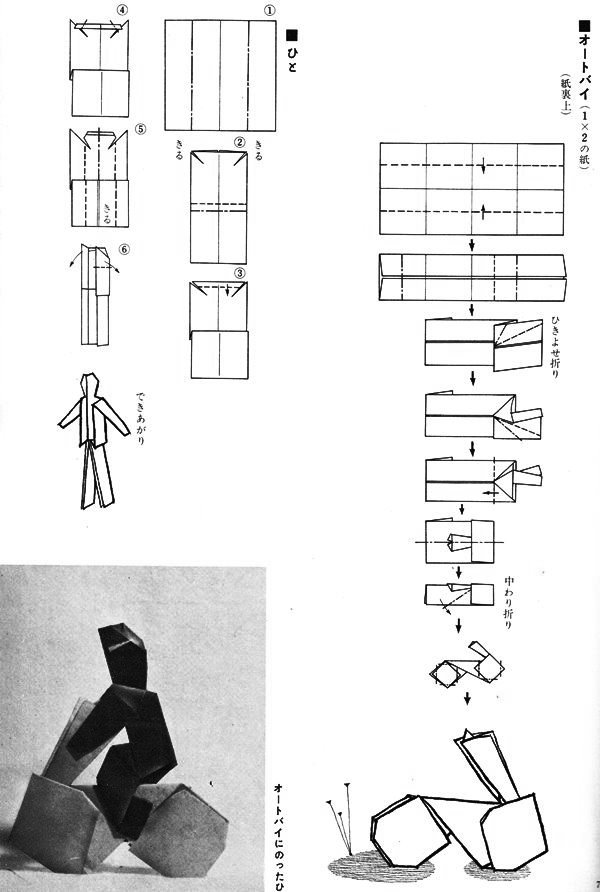
********** Left - Person (cut) Right - Motorcycle
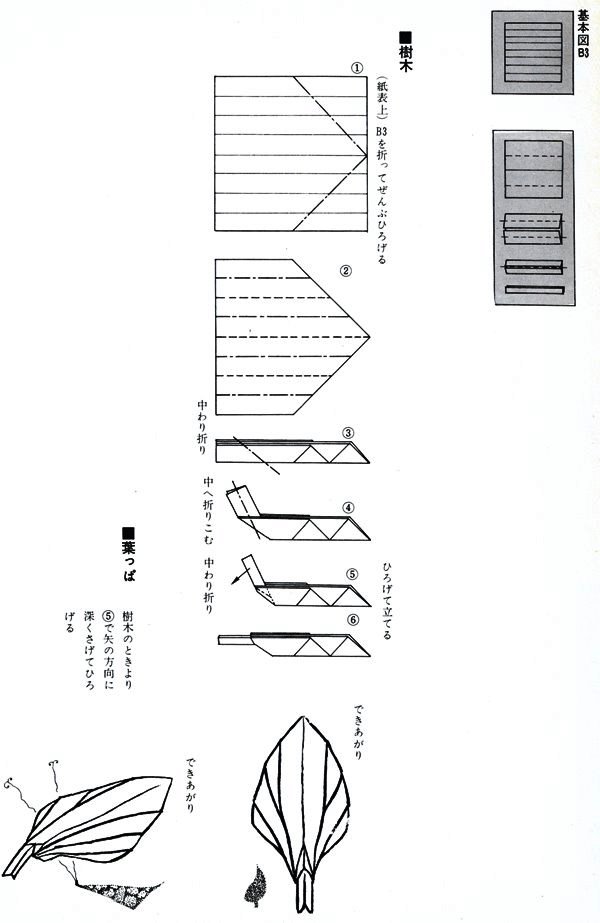
********** Basic Form B3 Left - Tree Right - Leaf
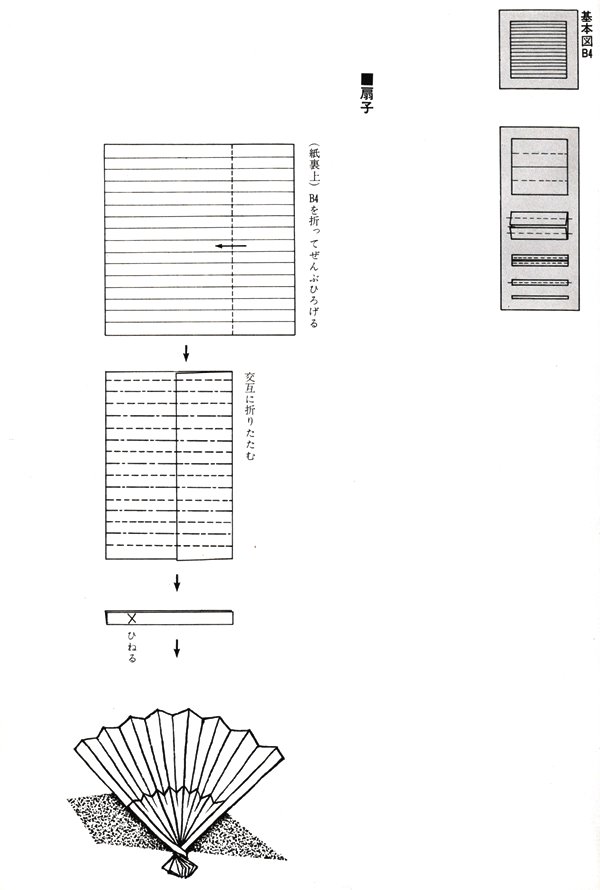
********** Basic Form B4 Fan
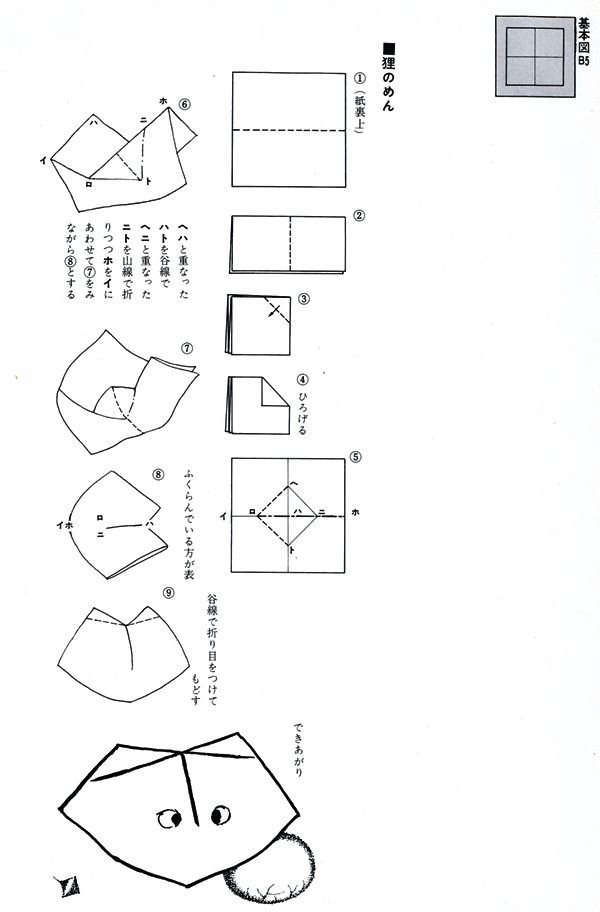
********** Basic Form B5 Raccoon Dog Face
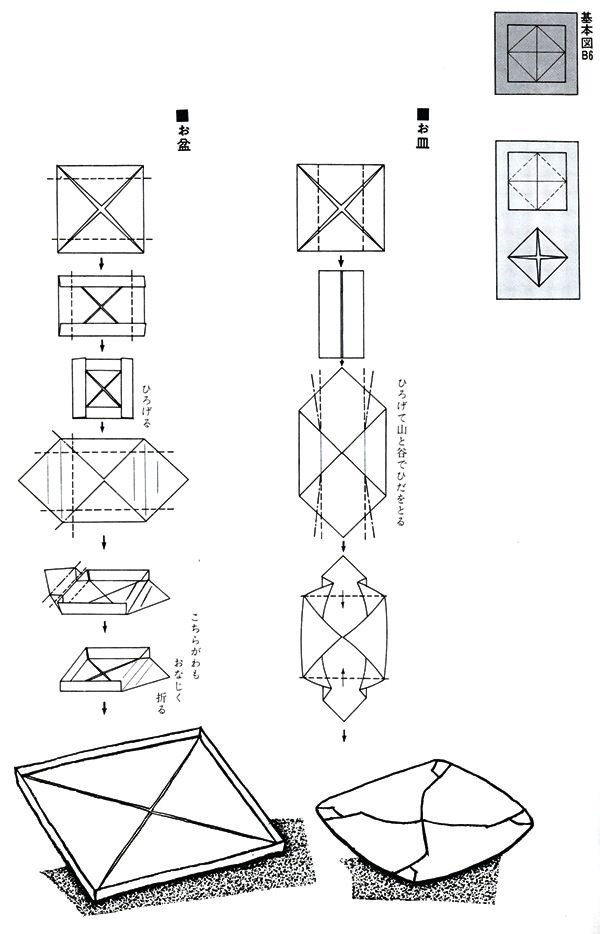
********** Basic Form B6 Left - Tray Right - Plate
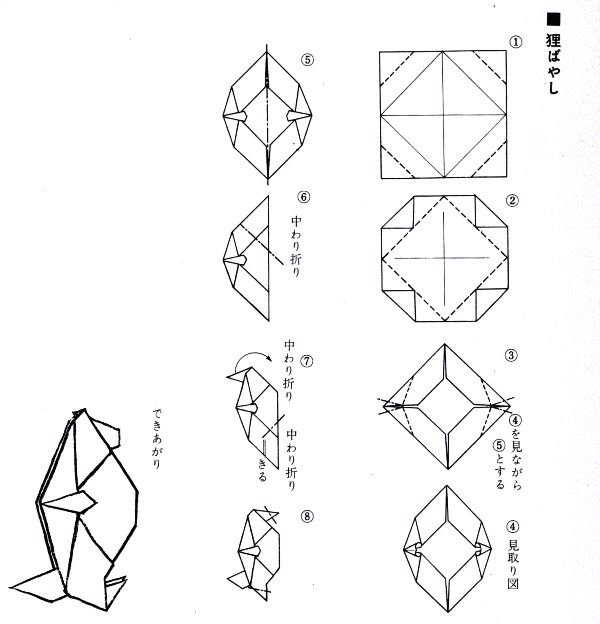
********** Tanuki Bayashi - Raccoon Belly Drum
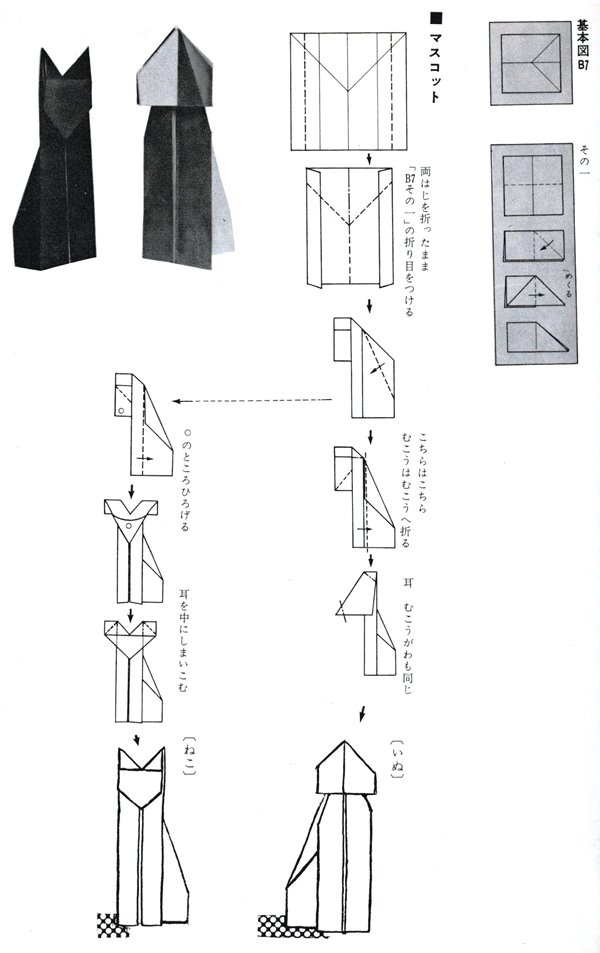
********** Basic Form B7 Mascots - Cat and Dog
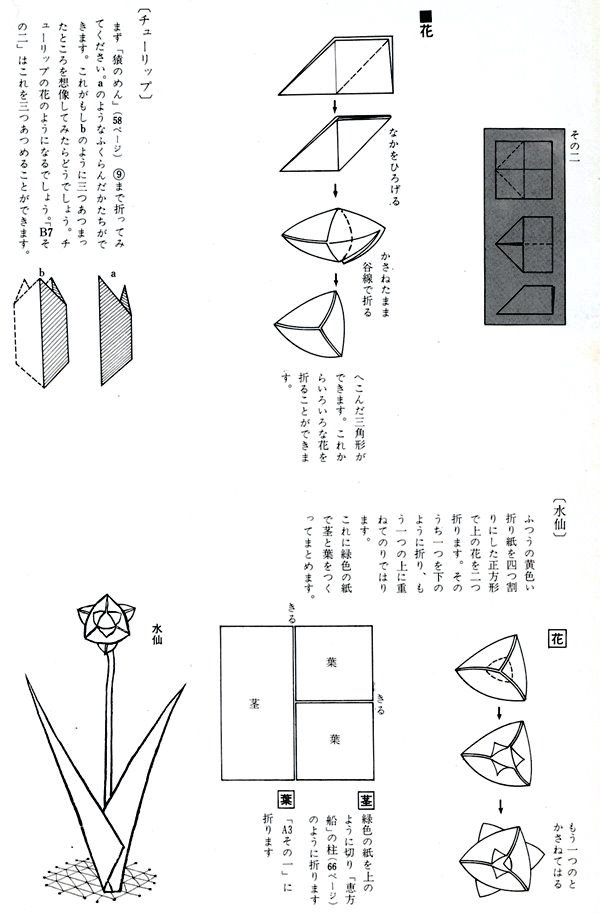
********** Daffodil (compound)
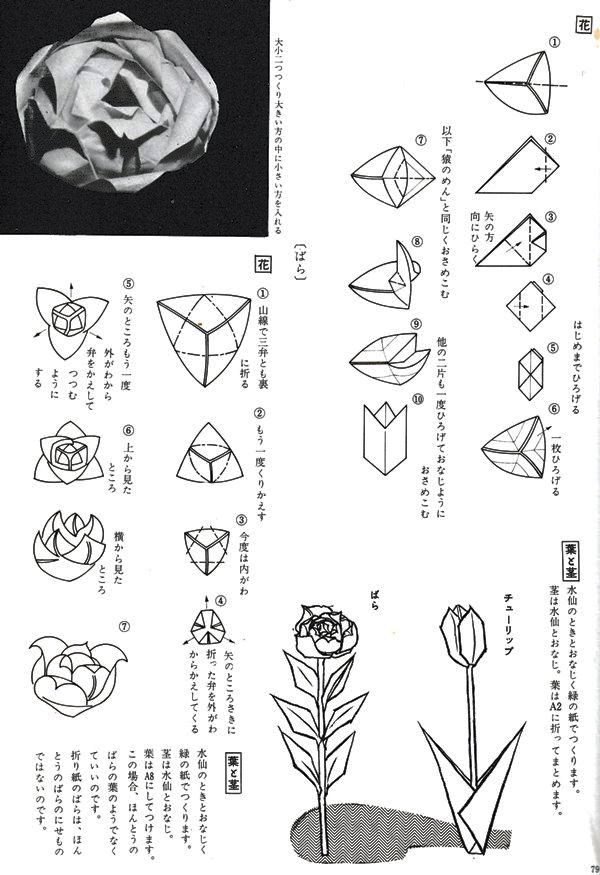
********** Left - Rosde (compound) Right - Tulip (compound)
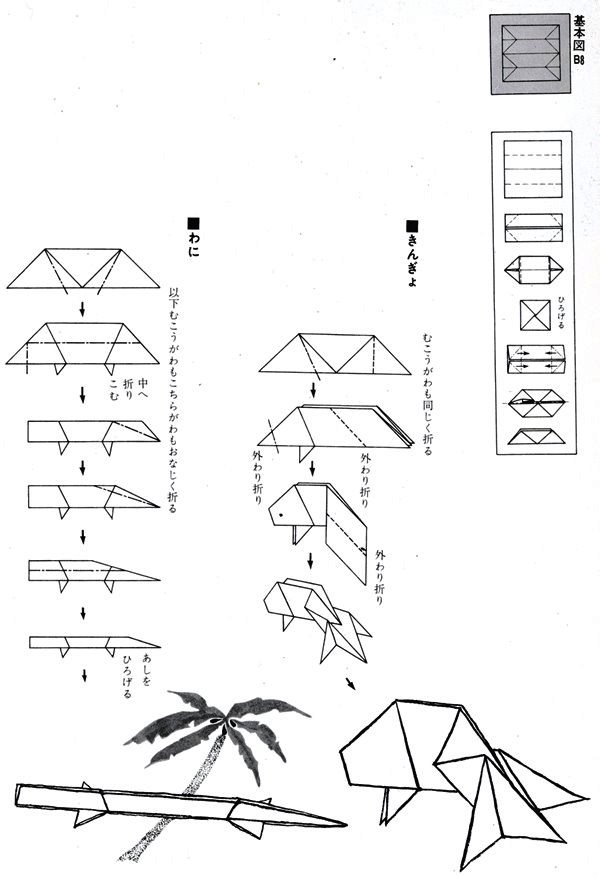
********** Basic Form B8 Left - Crocodile Right - Goldfish
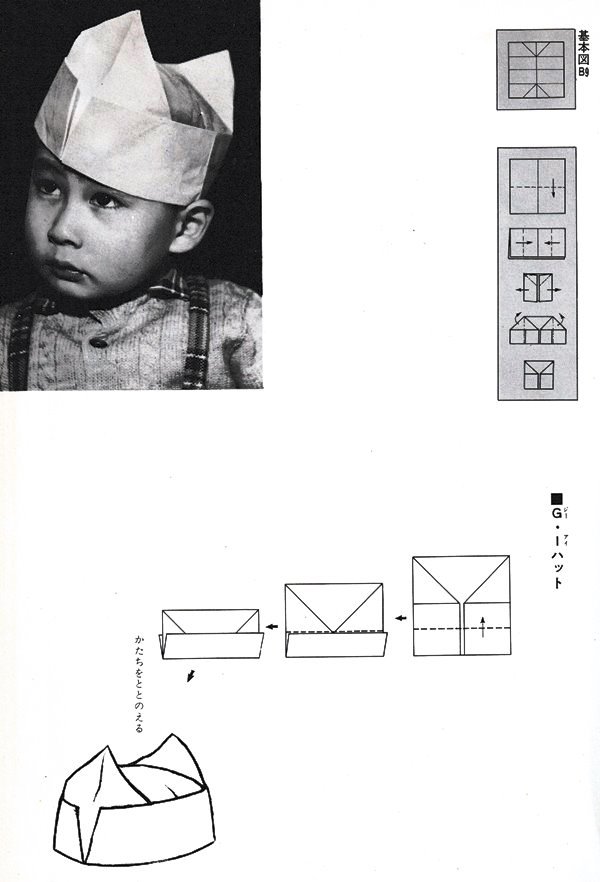
********** Basic Form B9 Hat - The Nurse's Cap
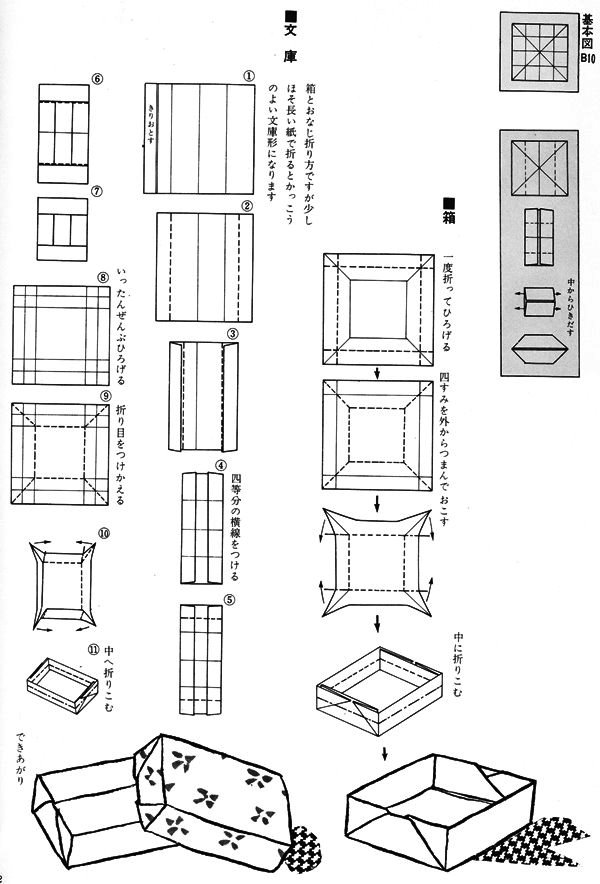
********** Basic Form B10 Bunko Box (x2) The top of this box is folded inwards all round.
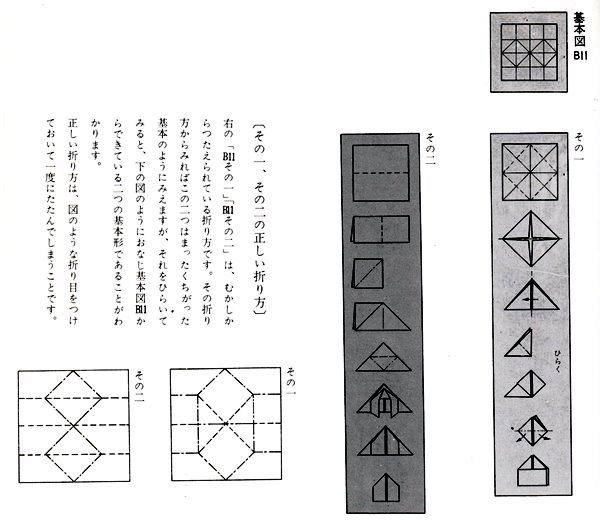
********** Basic Form B11
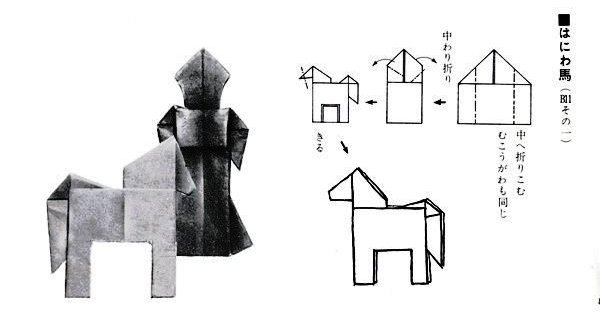
********** Haniwa Horse (clay horse)
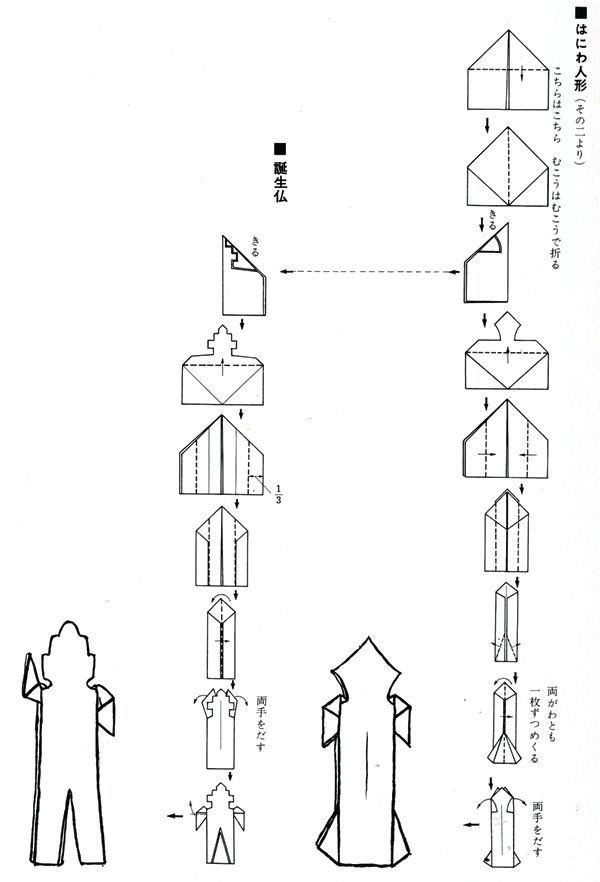
********** Left - Buddha Right - Haniwa Doll (clay doll) (cut)
********** Part Three - Creation based on Theme
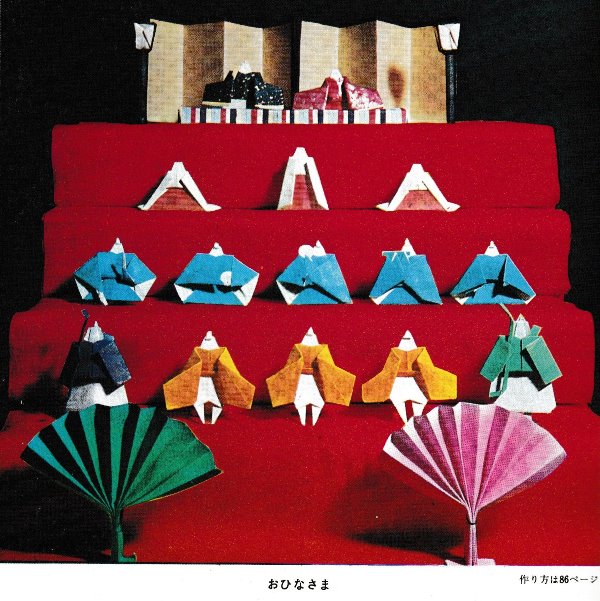
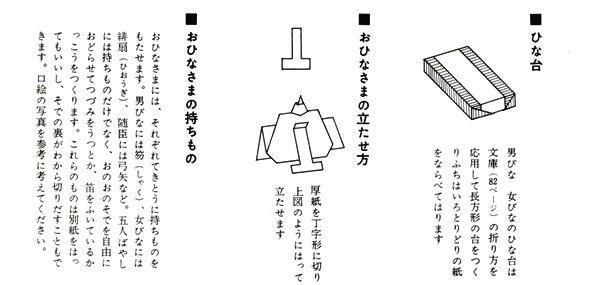
********** The next section of the work explains how to make the designs for a display of Hina Dolls as shown in the photograph.
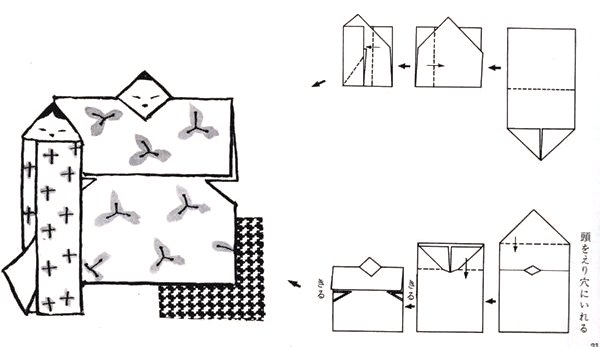
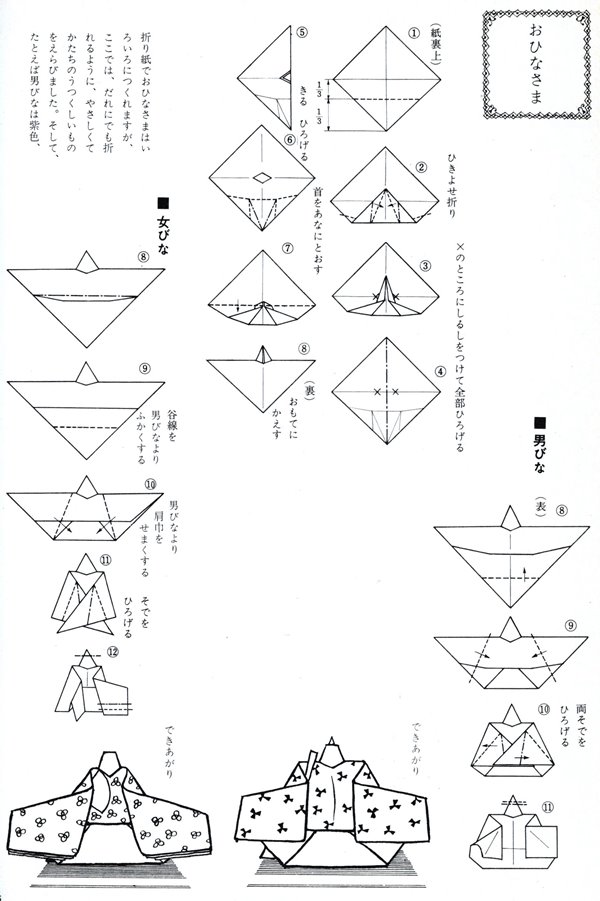
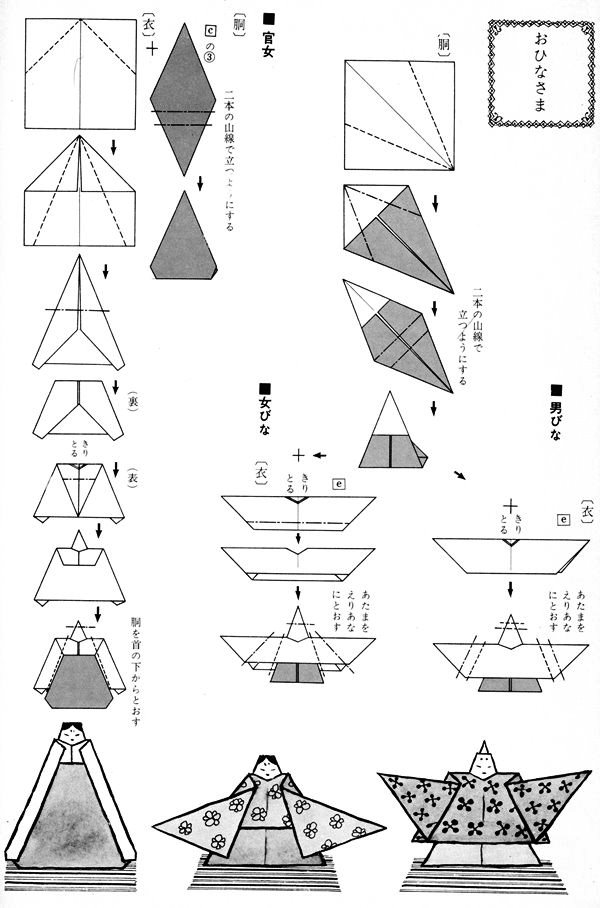
********** Male and Female Hina Dolls (cut)
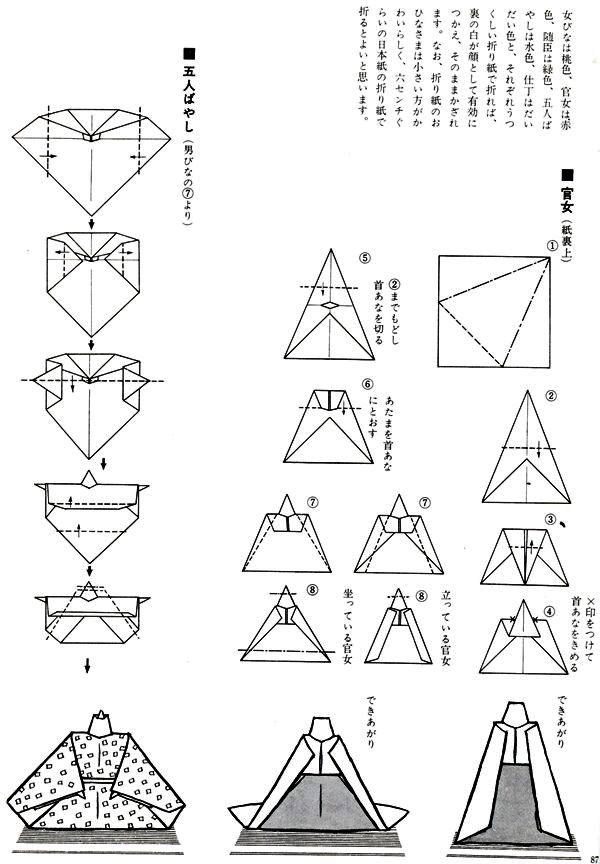
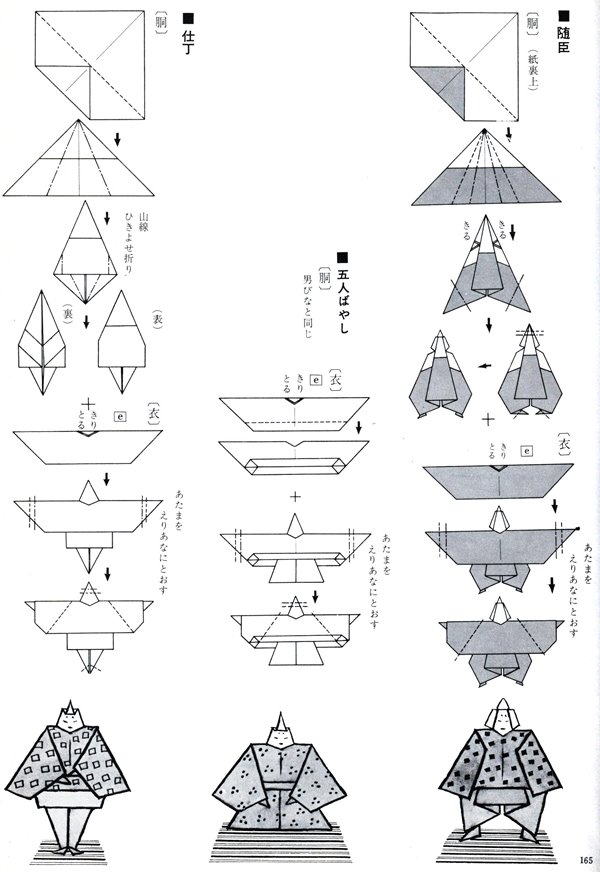
********** Left - Court Musician (cut) - five are required. Right - Court Lady -sitting and standing versions (cut)
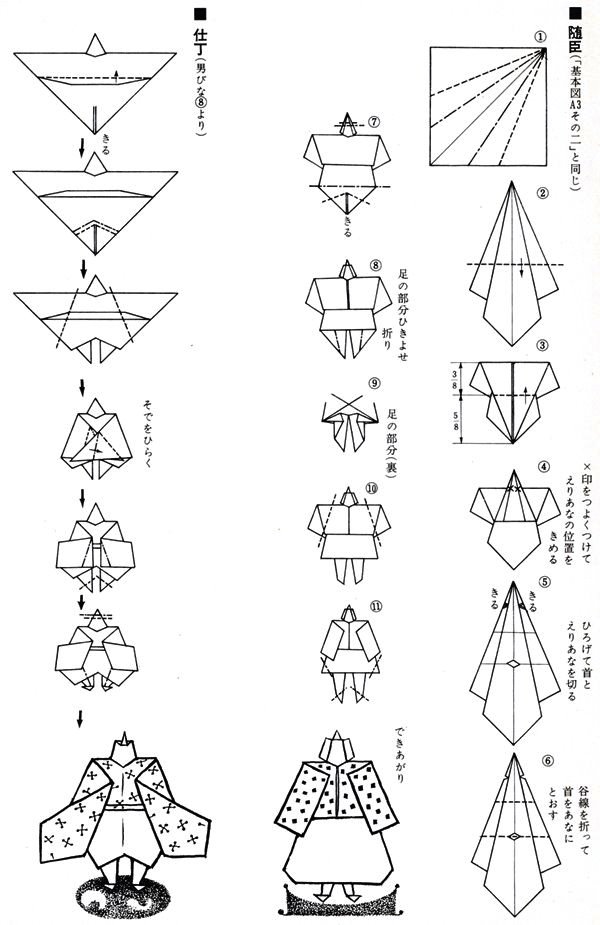
********** Left - Servant (cut) Right - Suijin (water deity) (cut)
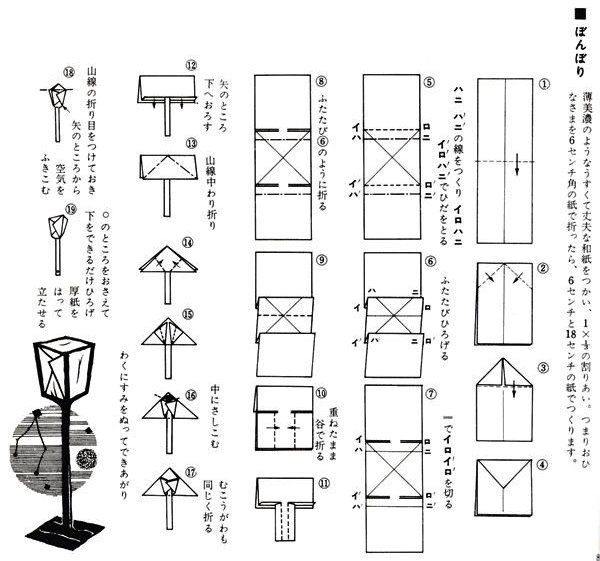
********** Lantern (cut)
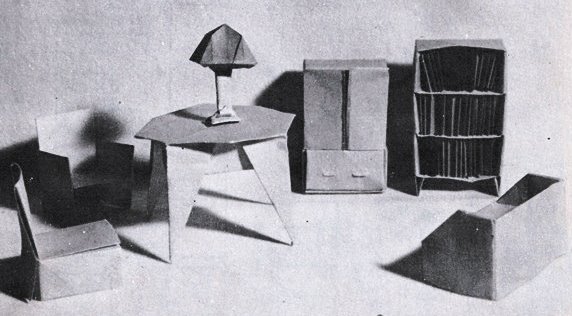
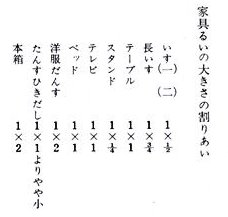
********** The next section of the work shows how to fold some designs for Furniture.
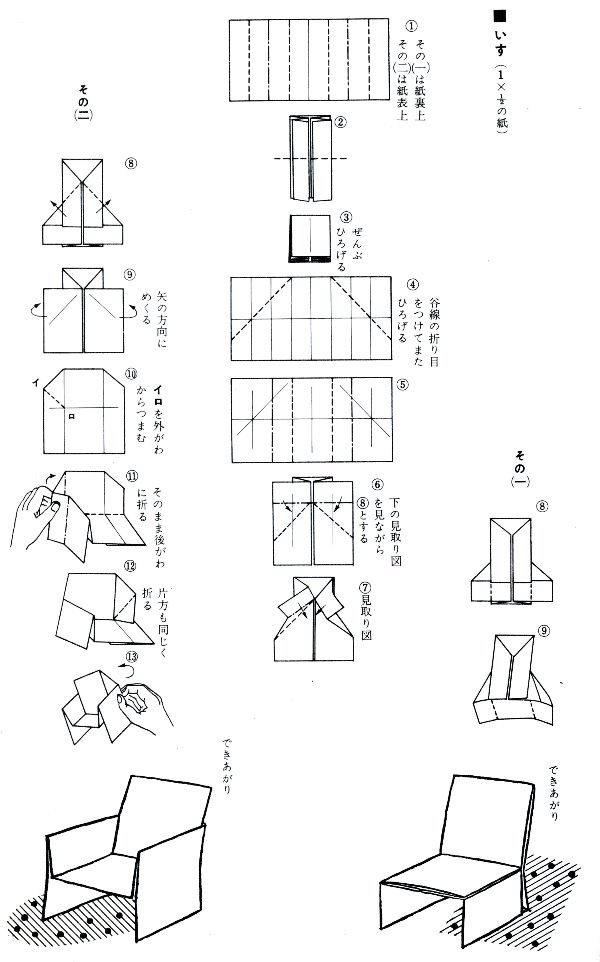
********** Left - Chair (part two) Right - Chair (part one)
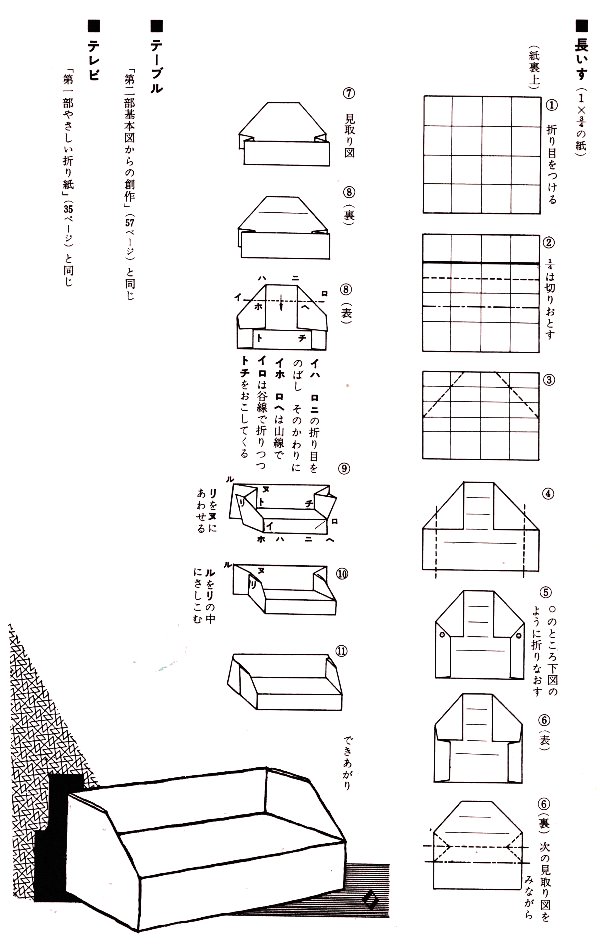
********** Bench
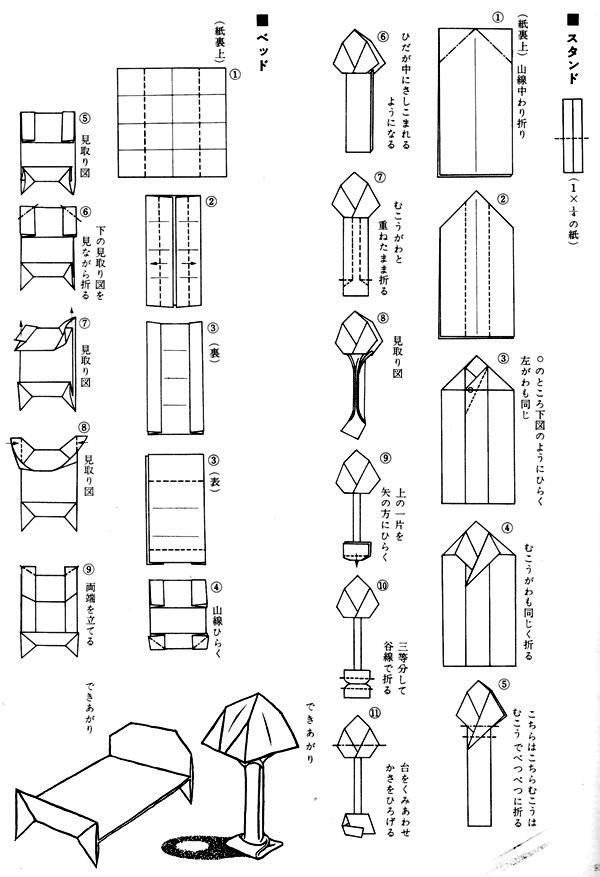
********** Left - Stand (lamp) Right - Bed
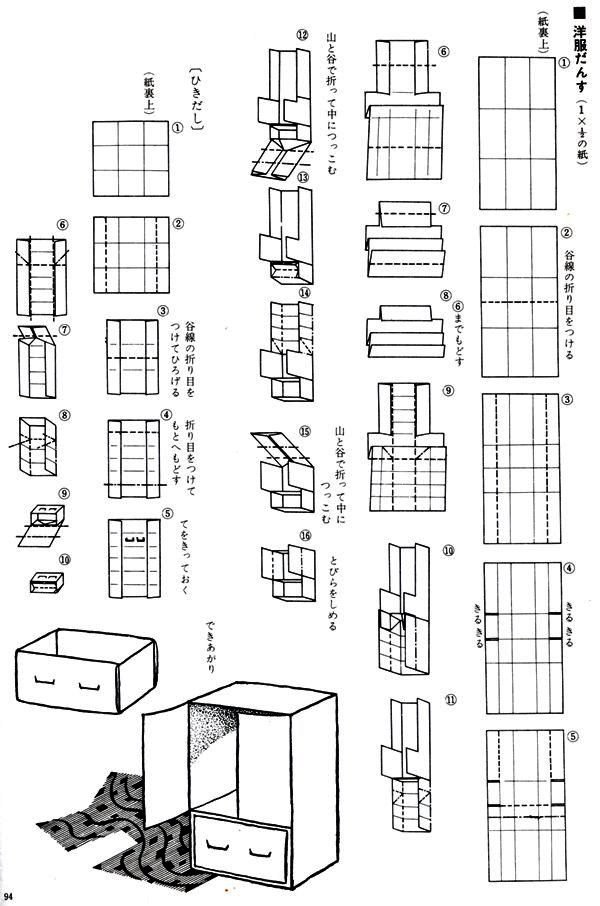
********** Wardrobe (cut)
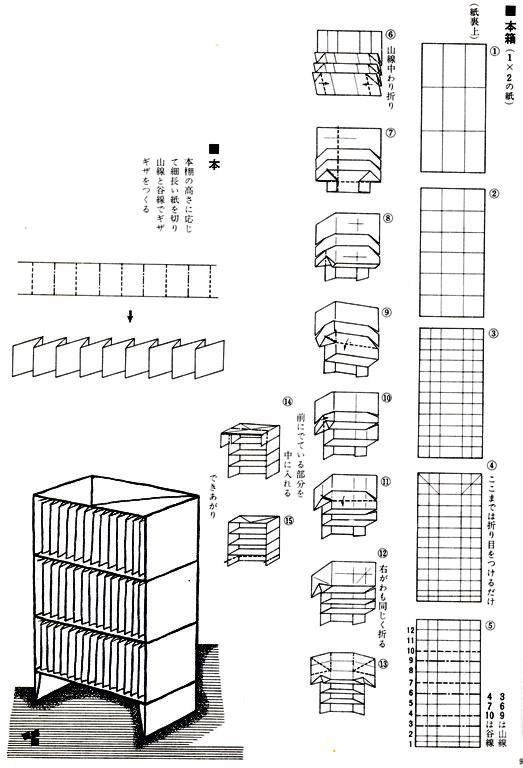
********** Bookcase with Books
********** Part Four - Creation from Basic Forms 2 (A14 to A18, B12 to B15)
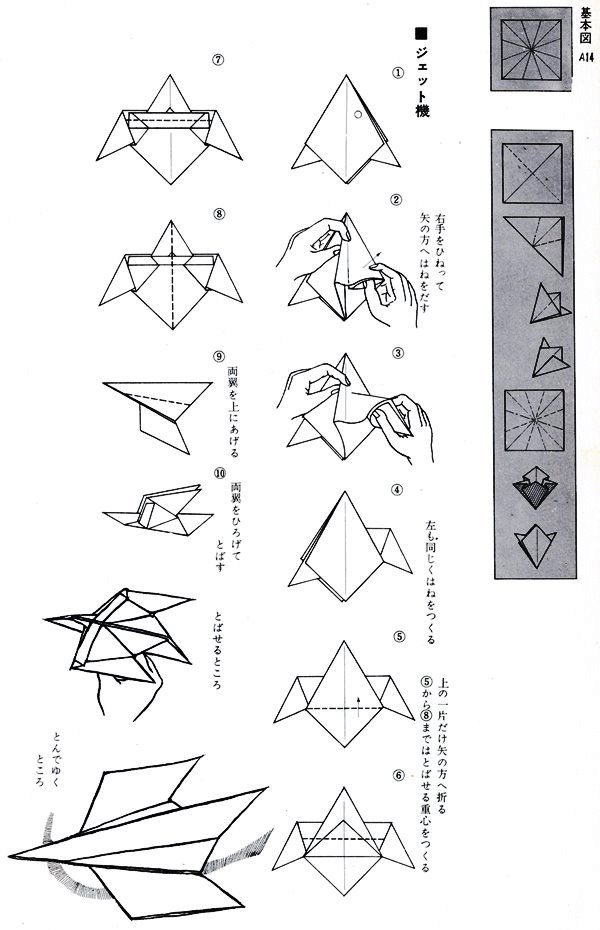
********** Basic Form A14 Jet Plane
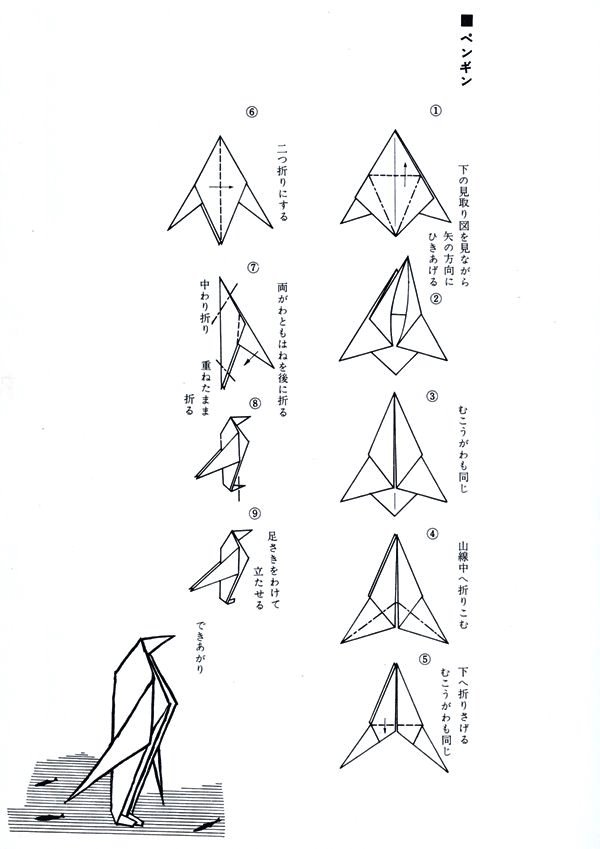
********** Penguin
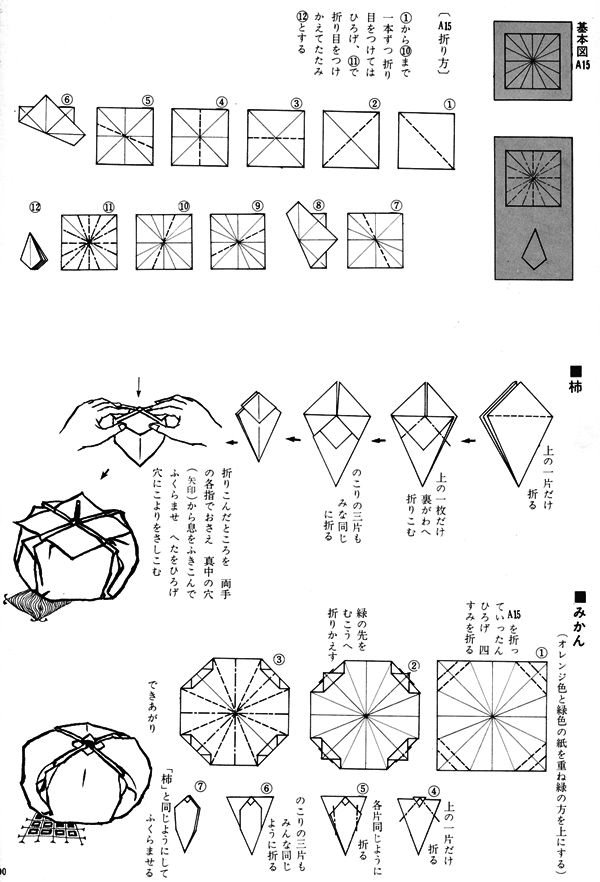
********** Basic Form A15 Top - Persimmon Bottom - Mandarin Orange
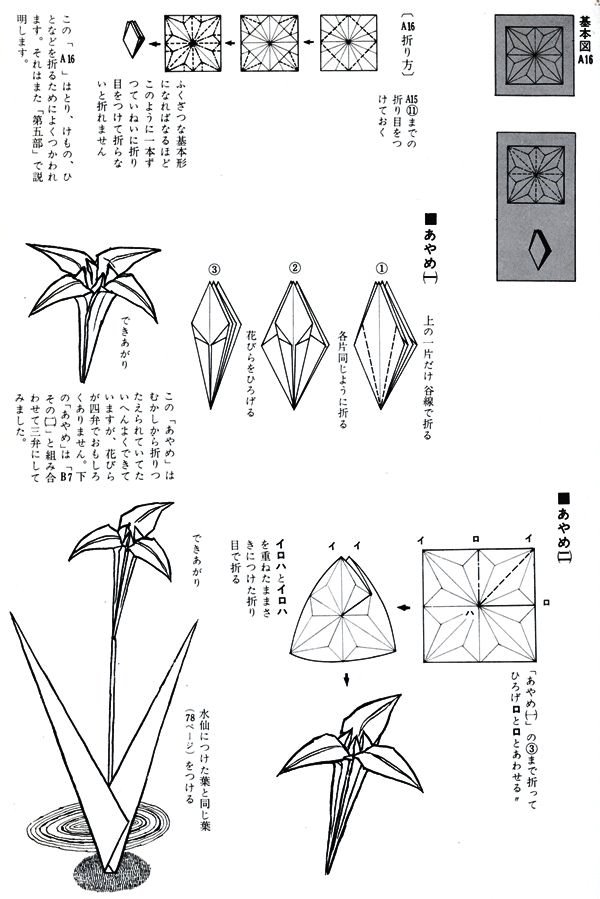
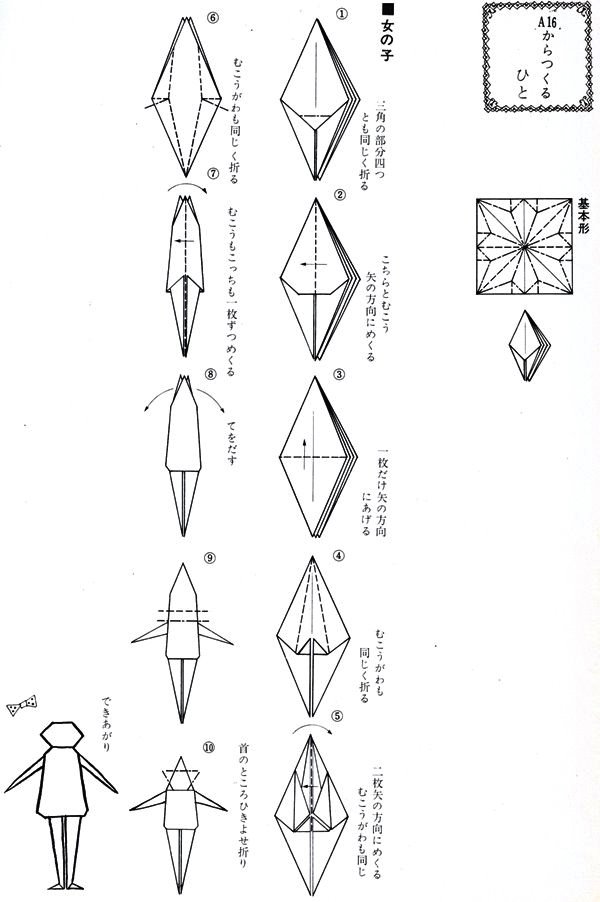
********** Basic Form A16 Top - Iris (1) - The Lily Bottom - Iris (2) - The Iris (from a square)
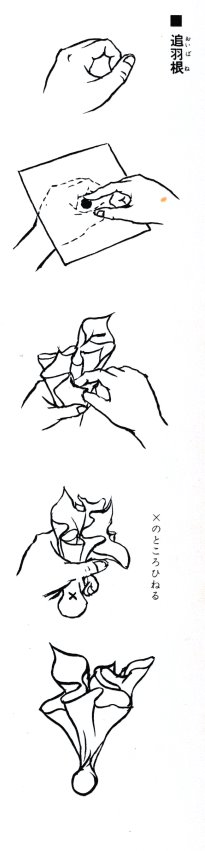
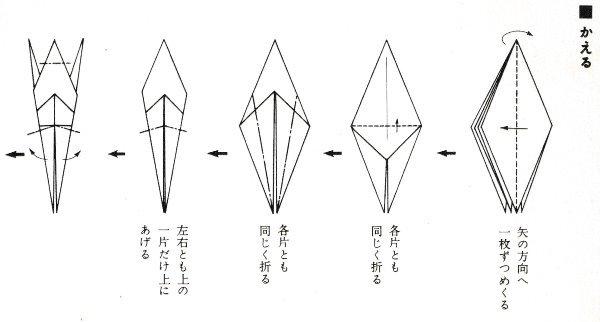
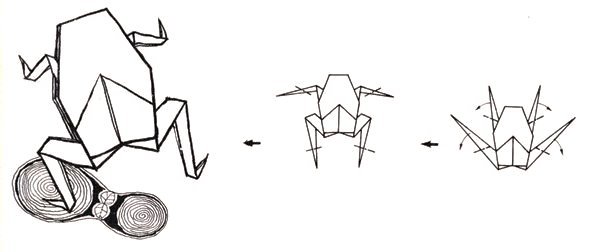
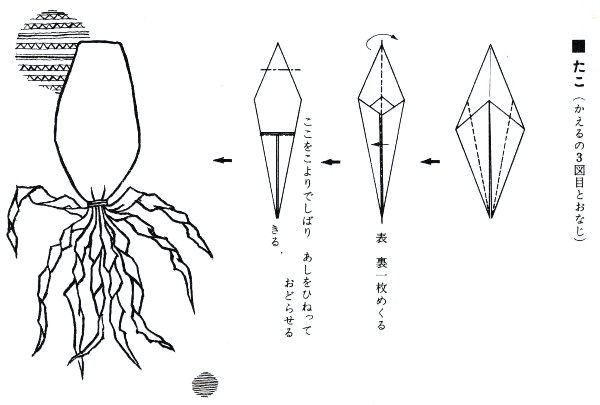
********** The author says that he learned the Frog and Octopus from his grandmother when he was a child.
Frog - The Inflatable Frog
********** Octopus (cut) - The Inflatable Octopus
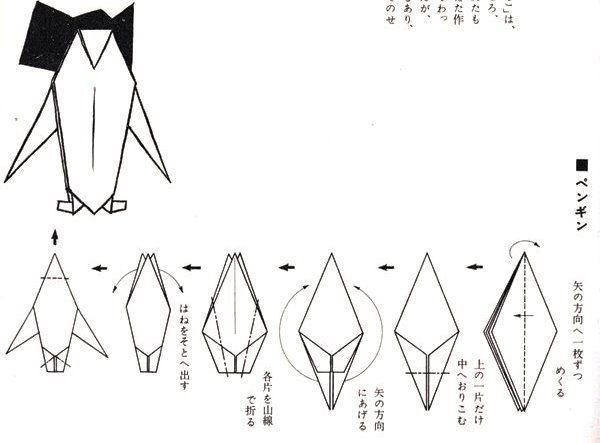
********** Penguin
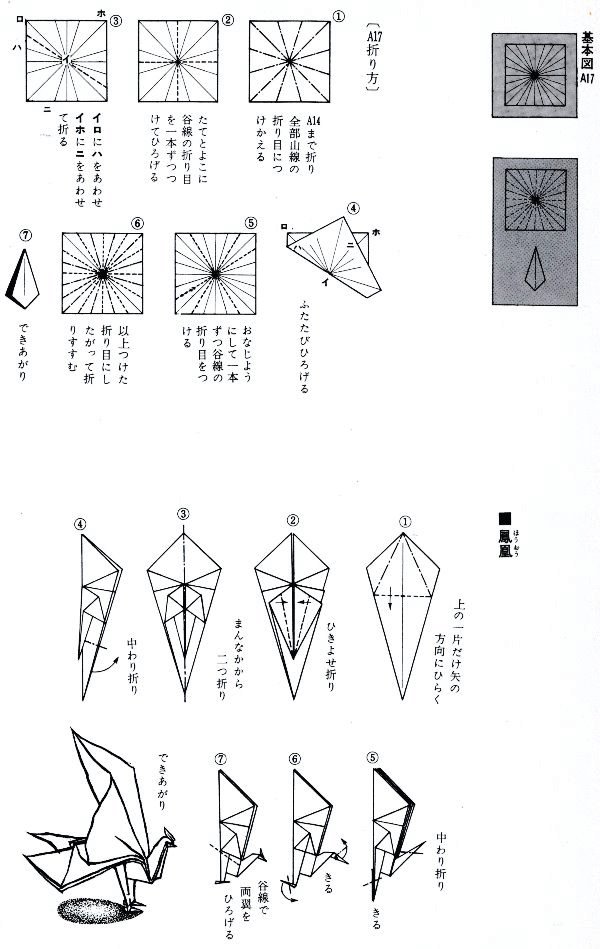
********** Basic Form A17 Phoenix (cut)
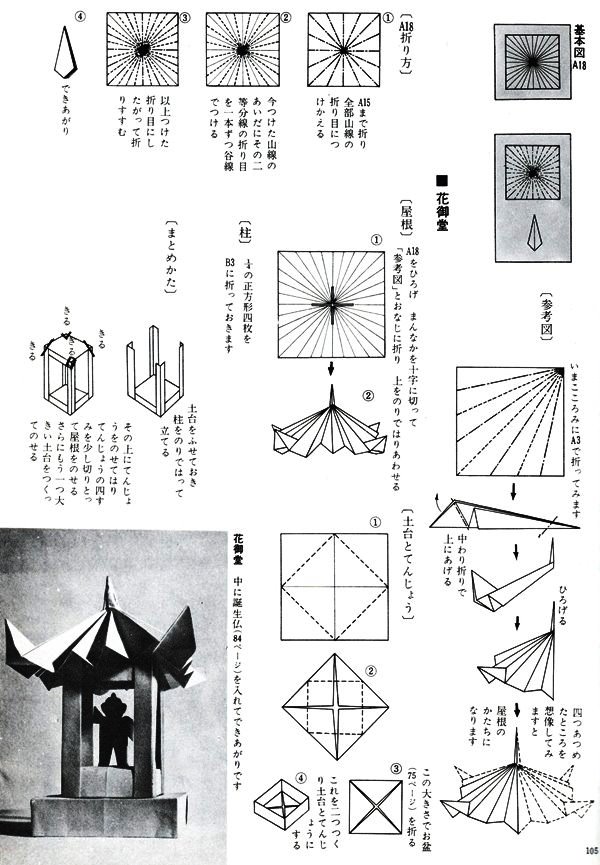
********** Basic Form A18 Hanamido (compound) (cut0 The roof is cut. The supports for the roof are glued together.
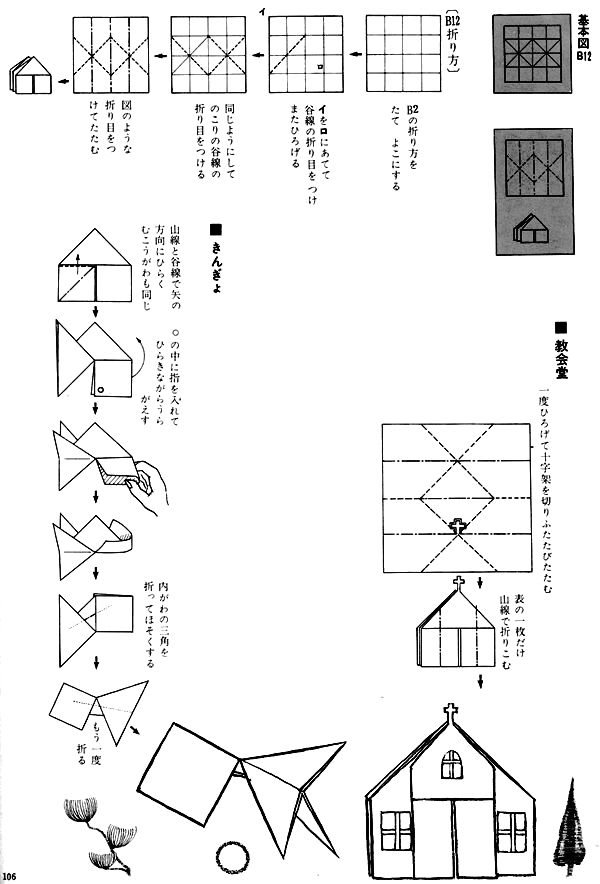
********** Basic Form B12 Left - Goldfish (cut) Right - Chapel (cut)
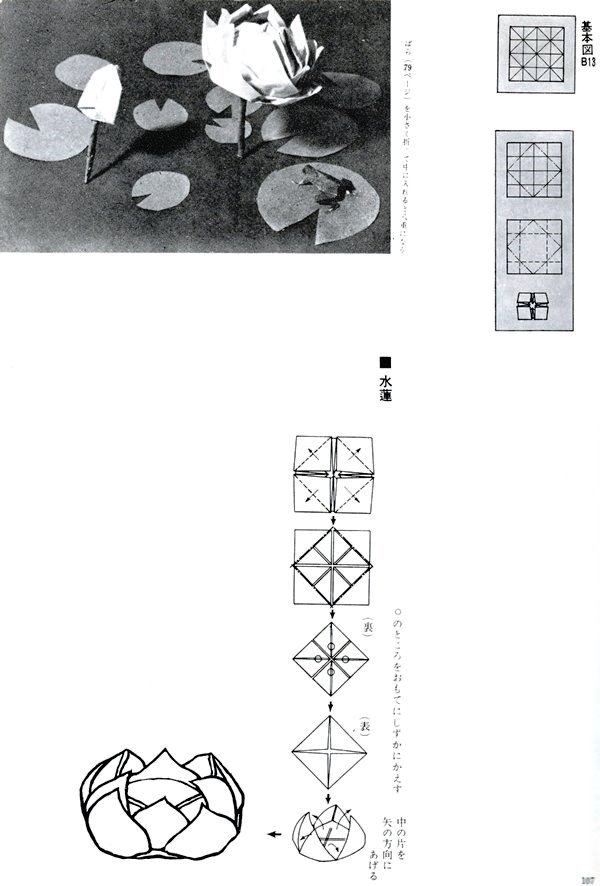
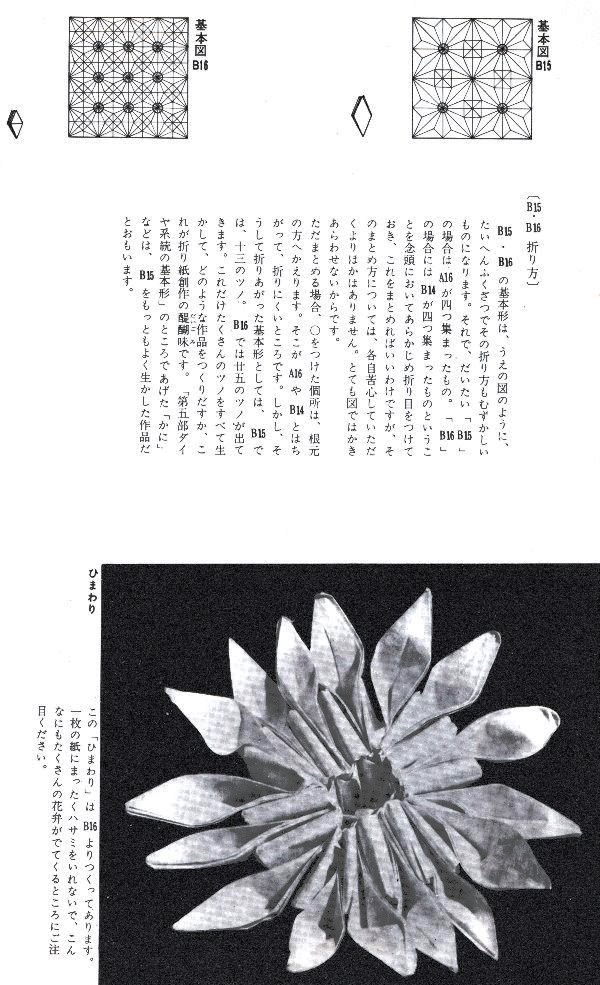
********** Basic Form B13 Water Lily
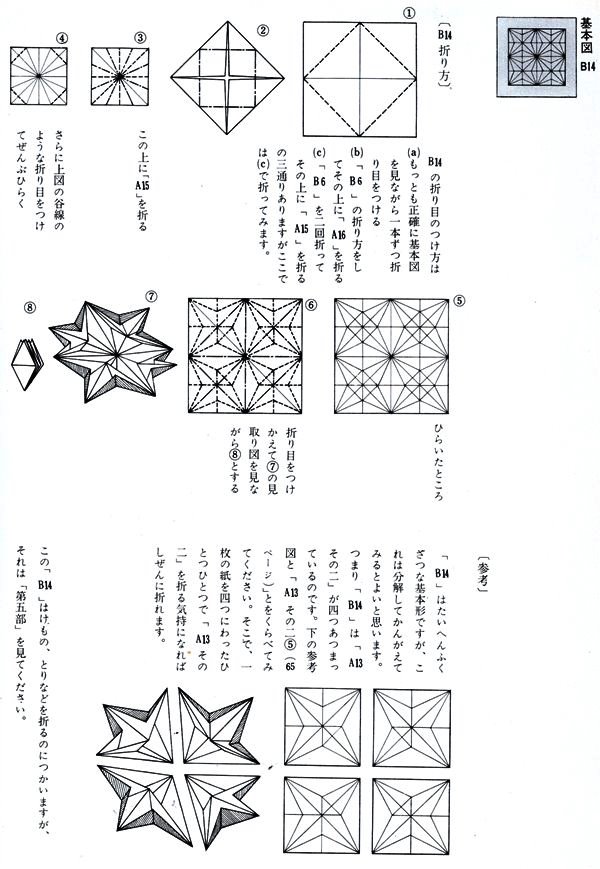
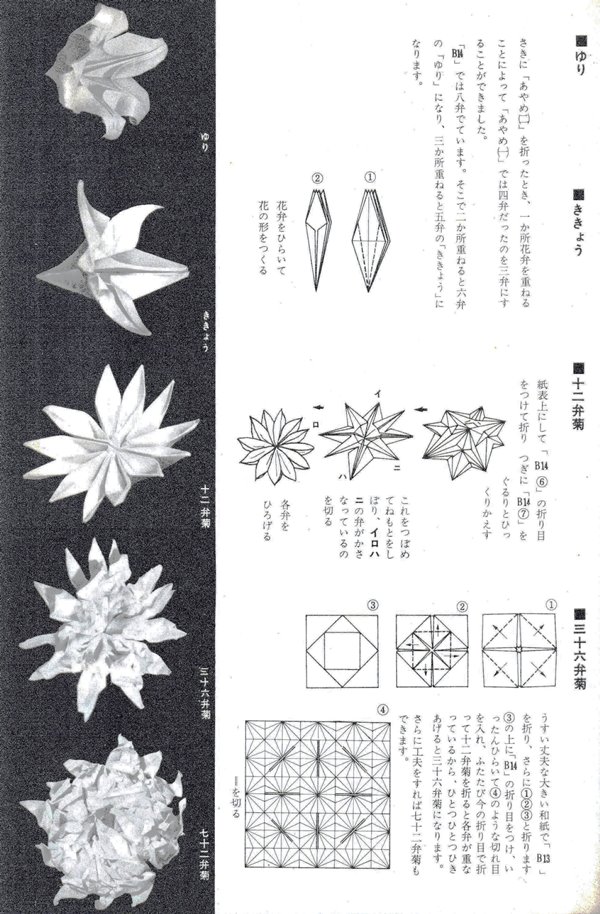
********** Basic Form B14
********** Using overlaps and cuts this basic fold can be developed into: Top - Lily (six petals) Top Middle - Bellflower (five petals) Top Bottom - Chrysanthemum (twelve petals) Bottom - Chrysanthemum (seventy-two petals)
********** Part Five - Basic Form of Diamond System (human, animals, birds, insects etc)
********** 3-part Crow (compound)
********** 3-part Bird (compound) (cut)
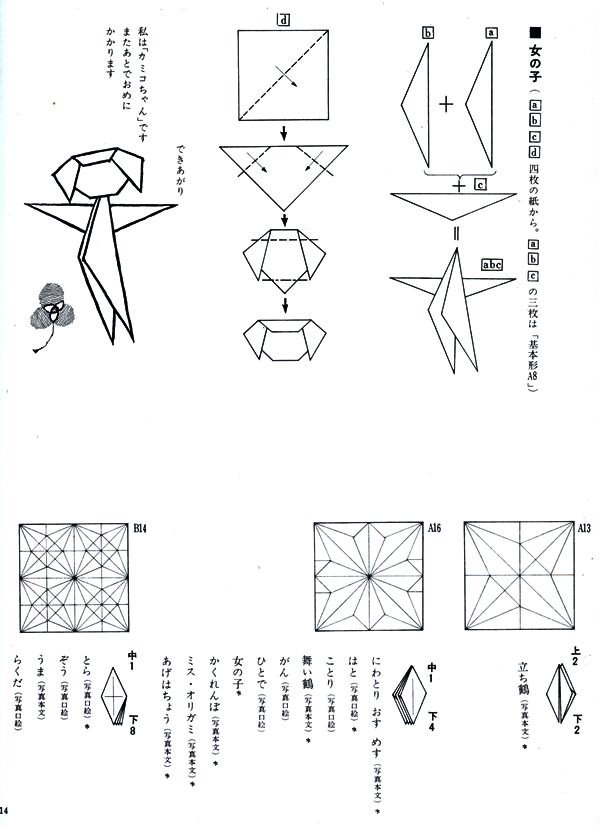
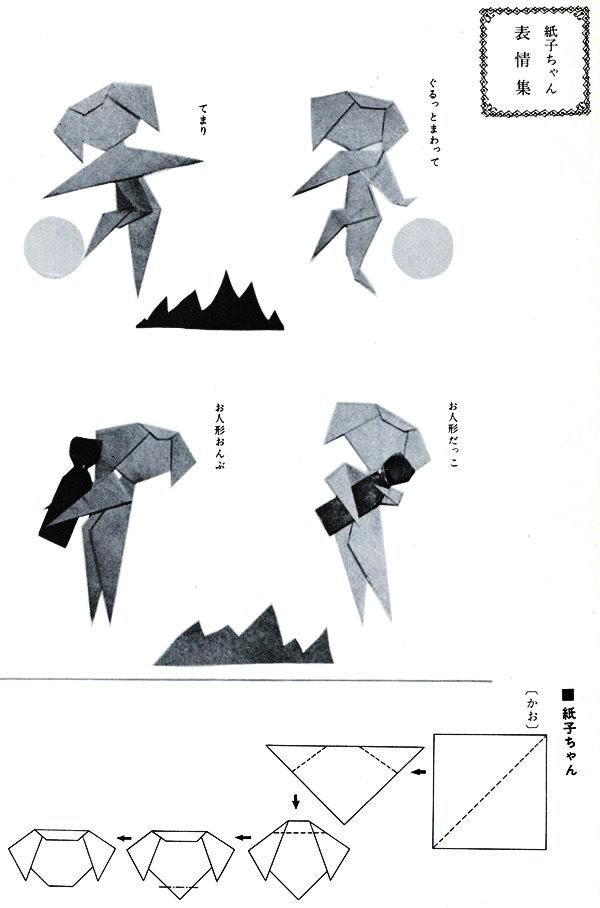
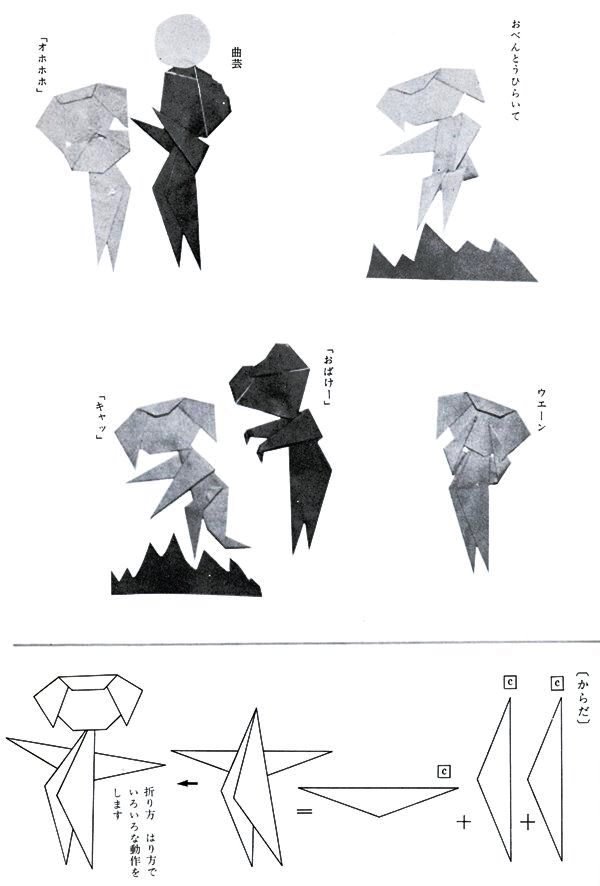
********** 4-part Girl (compound)
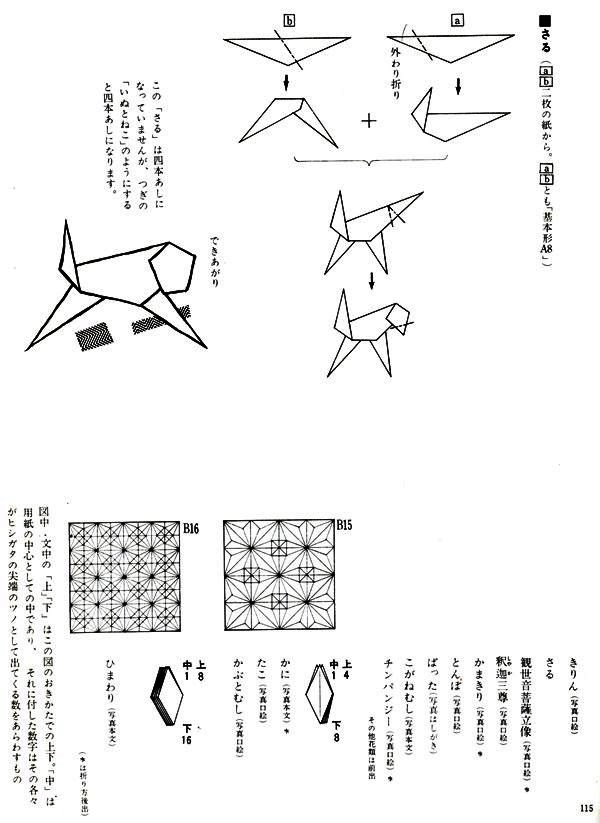
********** 2-part Monkey (compound)
********** 4-part Dog (compound)
********** 4-part Cat (compound)
********** Bird (cut)
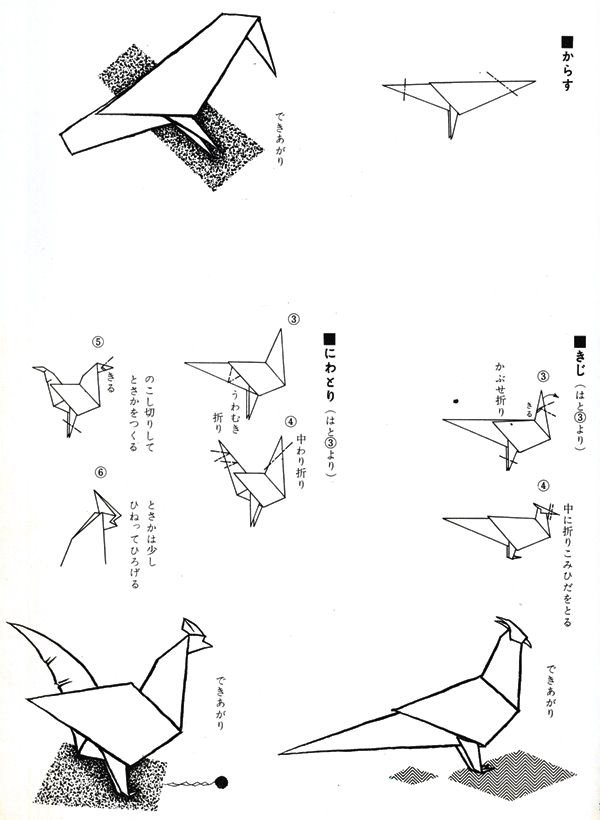
********** Top - Crow (cut) Bottom Left - Chicken (cut) Bottom Right - Phesant (cut)
********** Pheasant (cut)
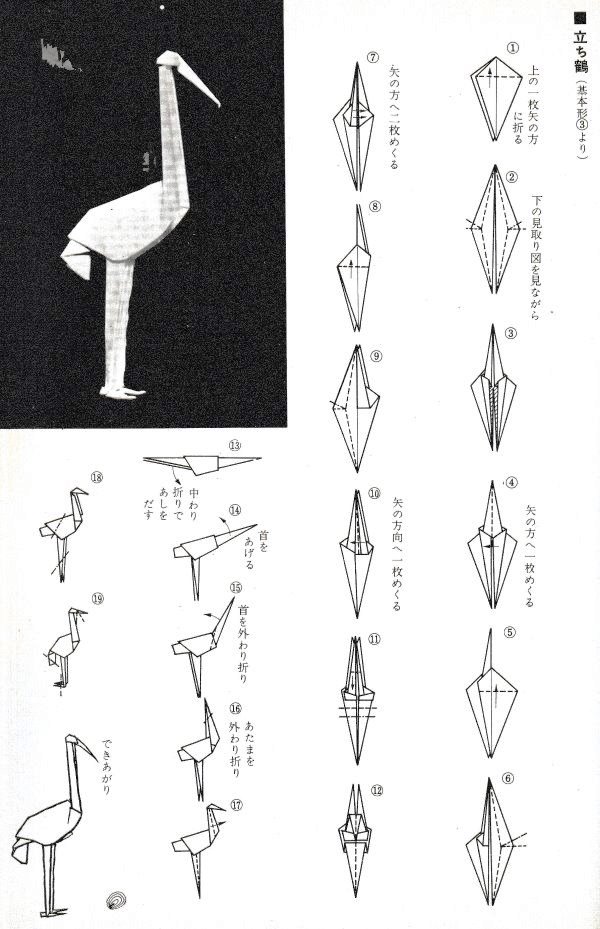
********** Standing Crane
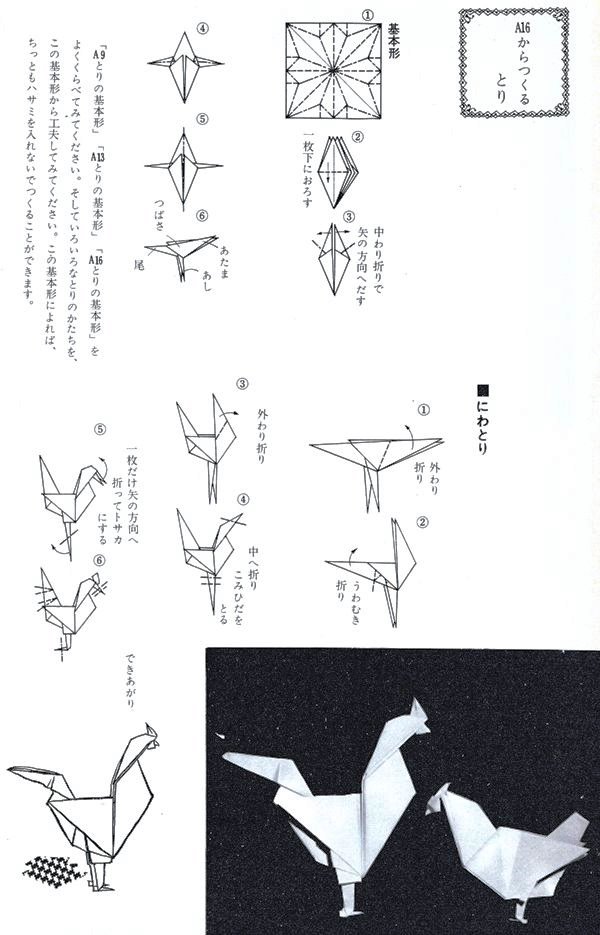
********** Chicken
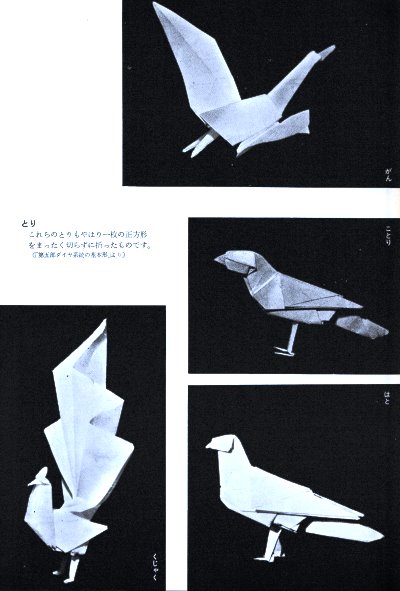
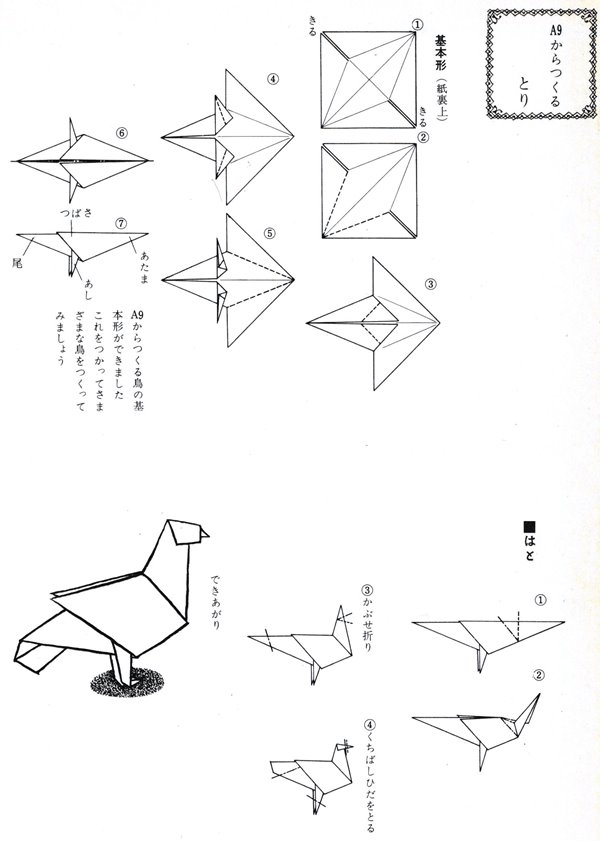
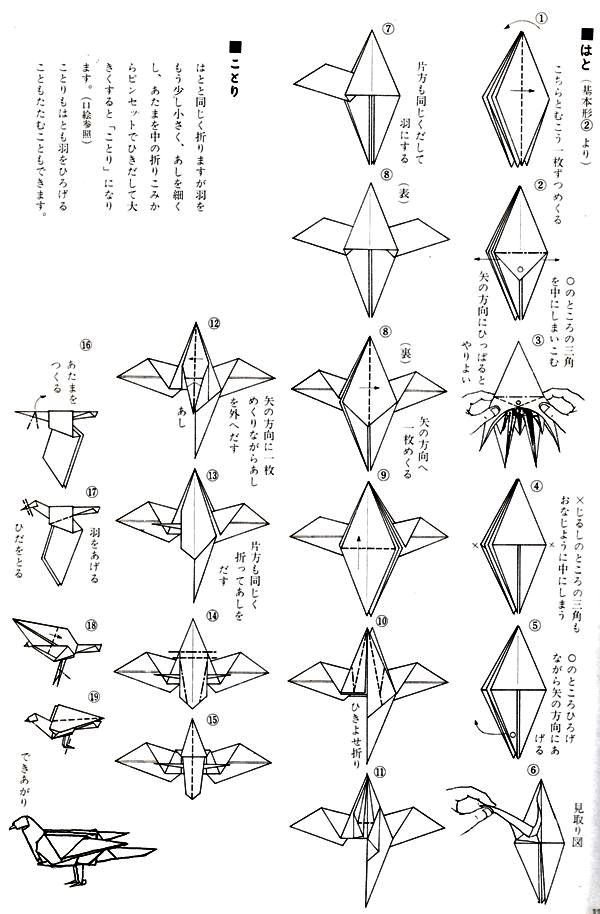
********** Dove
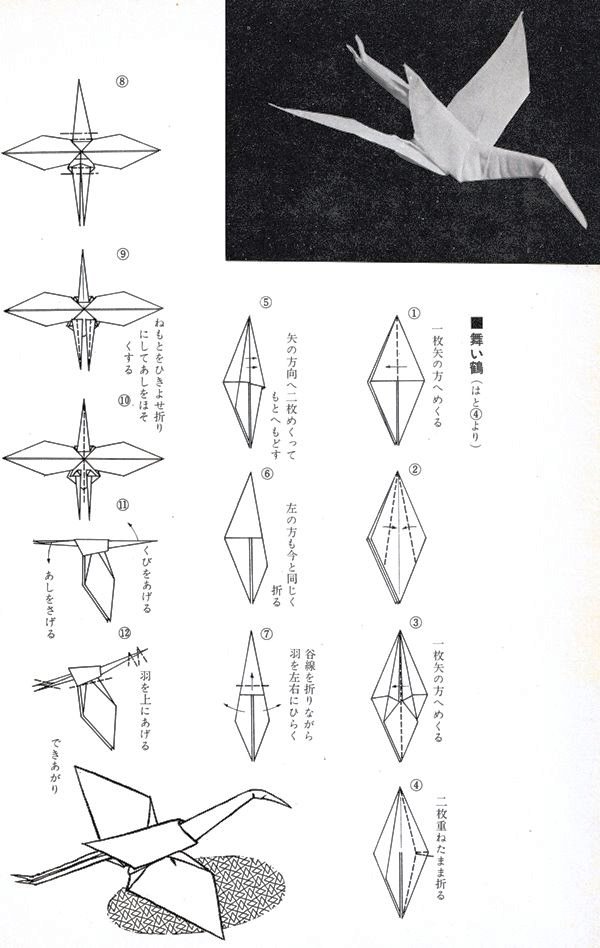
********** Dancing Crane (cut)
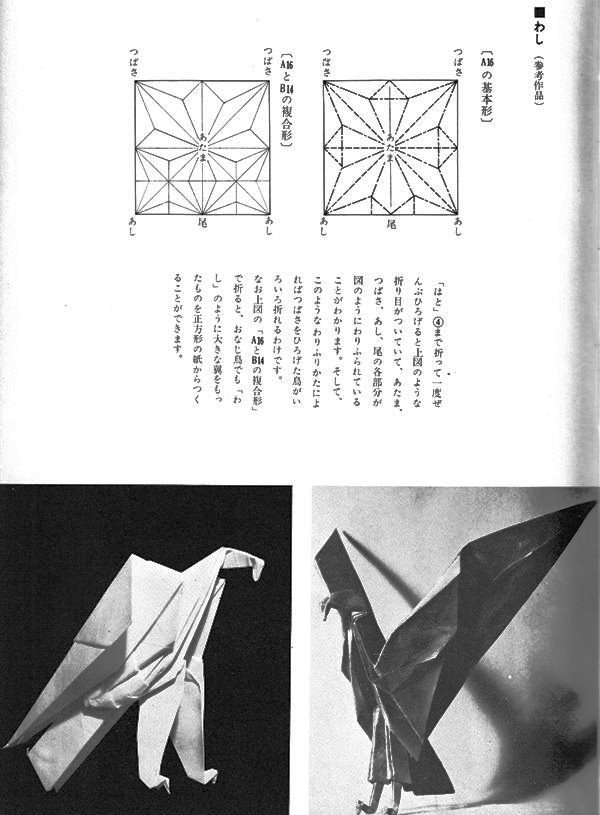
********** Eagle
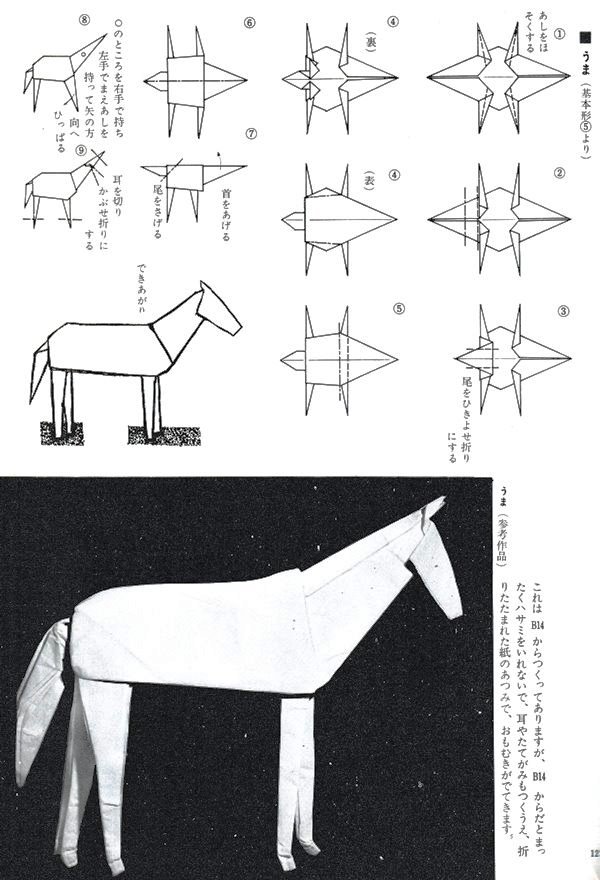
********** Horse
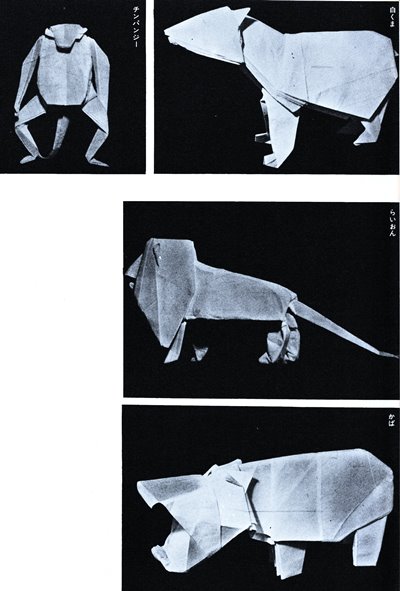
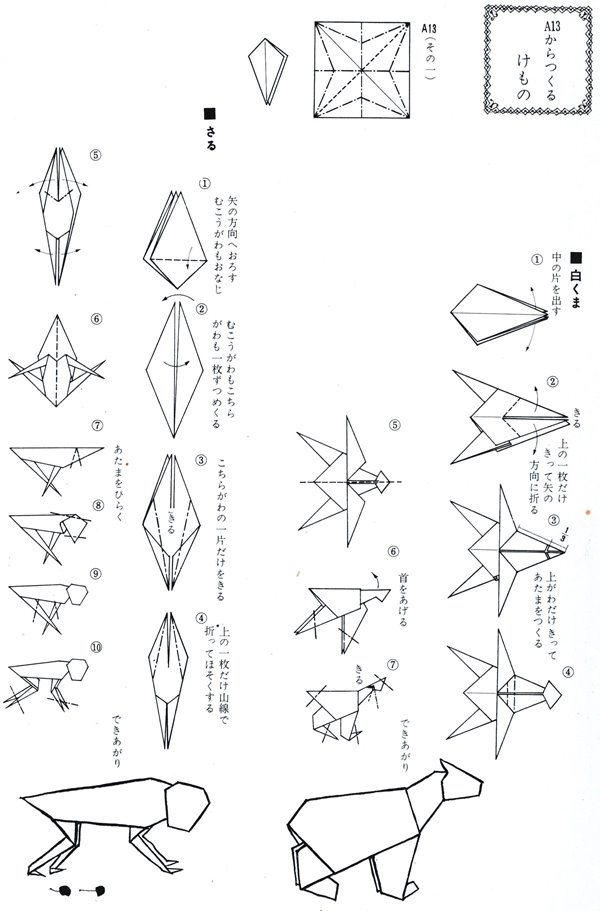
********** Left - Monkey (cut) Right - Polar Bear (cut)
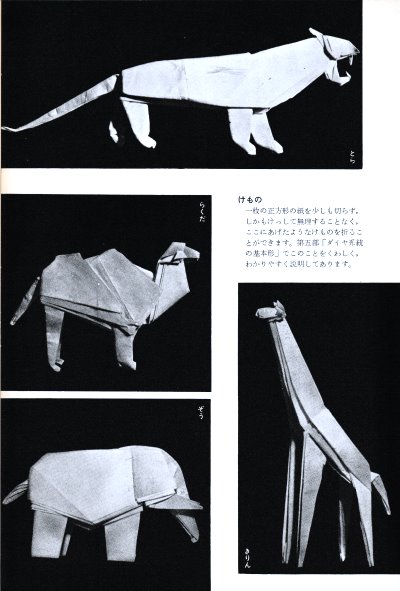
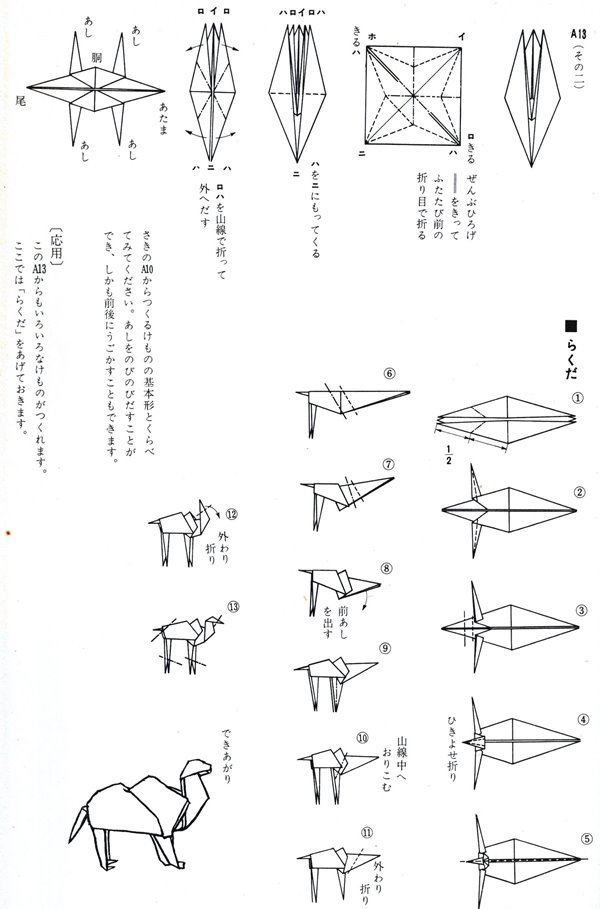
********** Camel (cut)
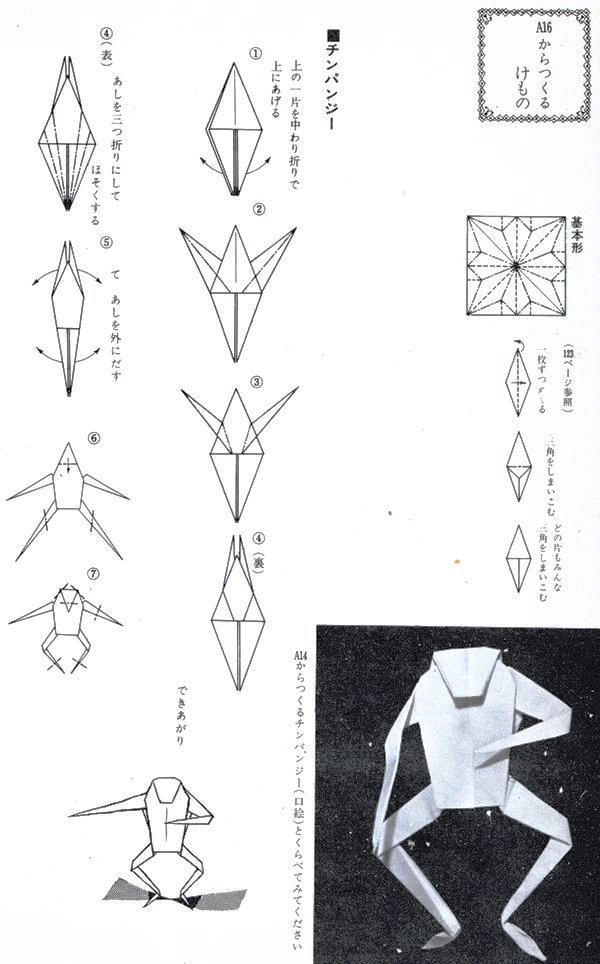
********** Chimpanzee
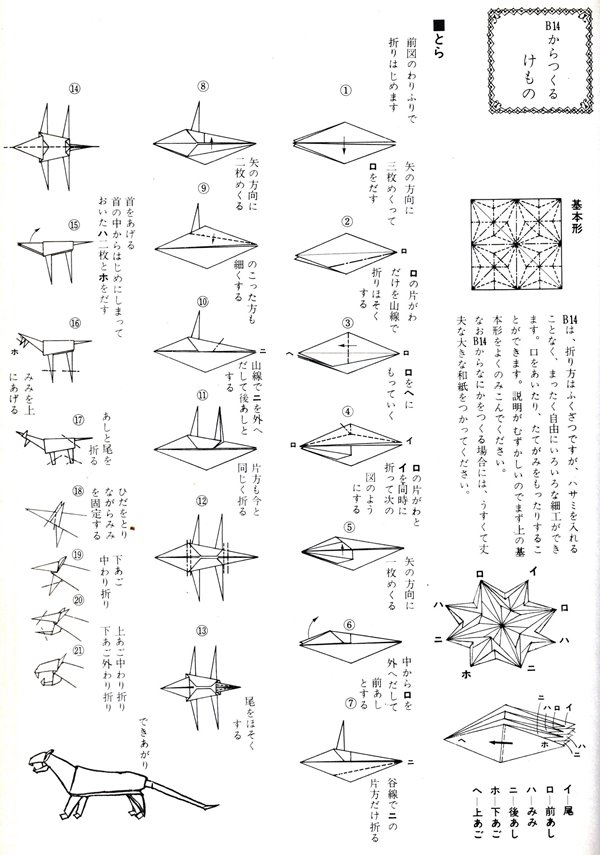
********** Tiger
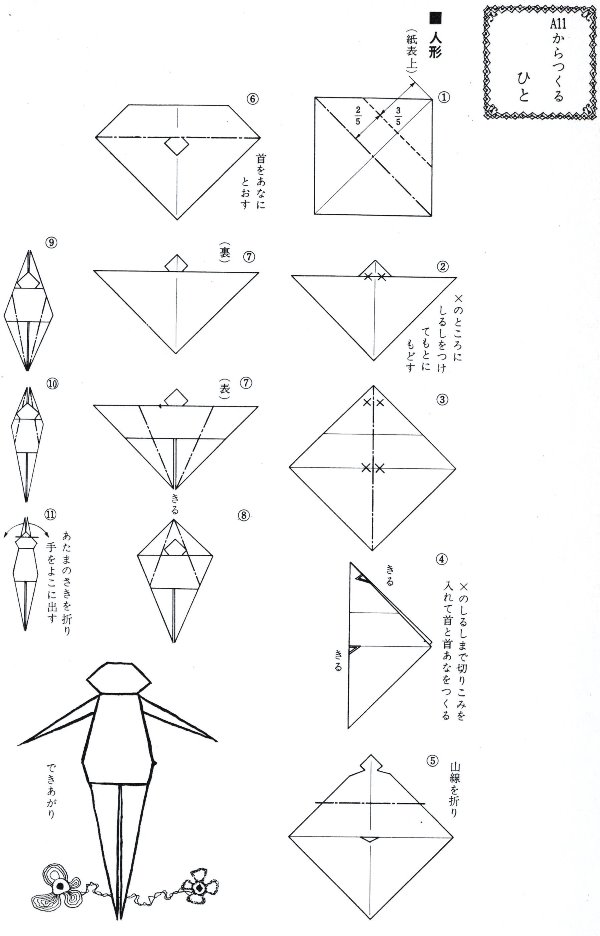
********** Doll (cut)
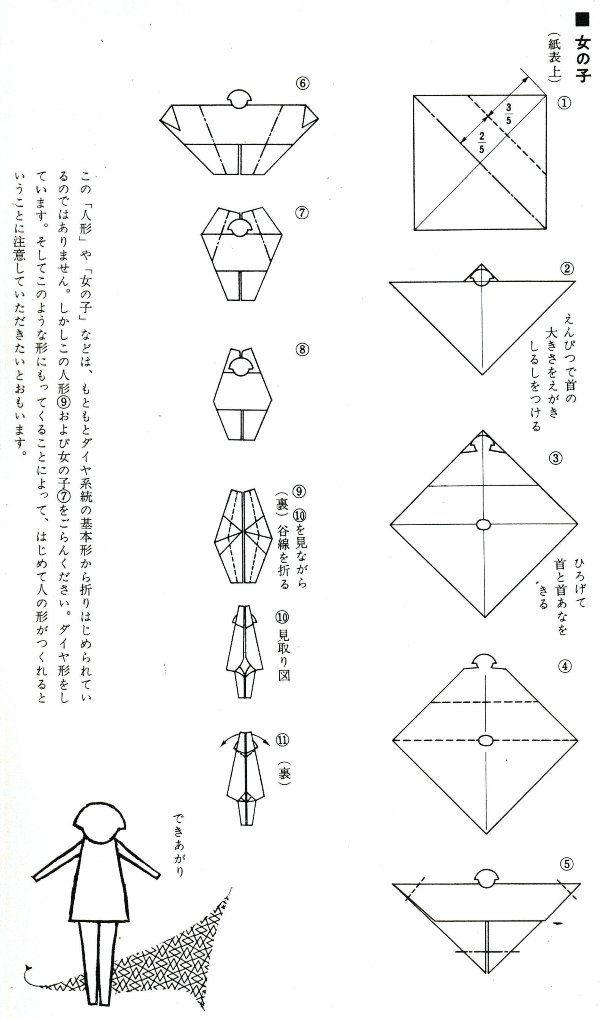
********** Girl (cut)
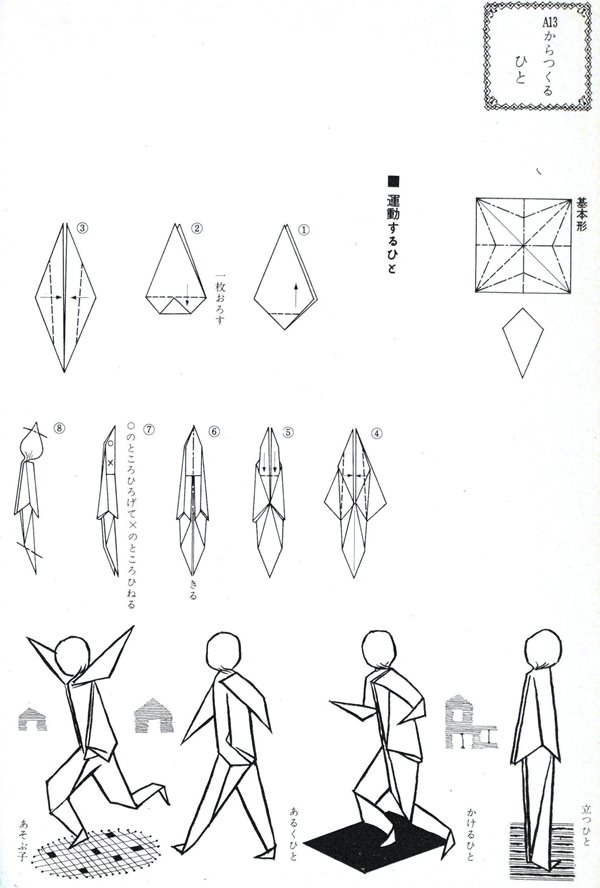
********** Person Exercising
********** Girl
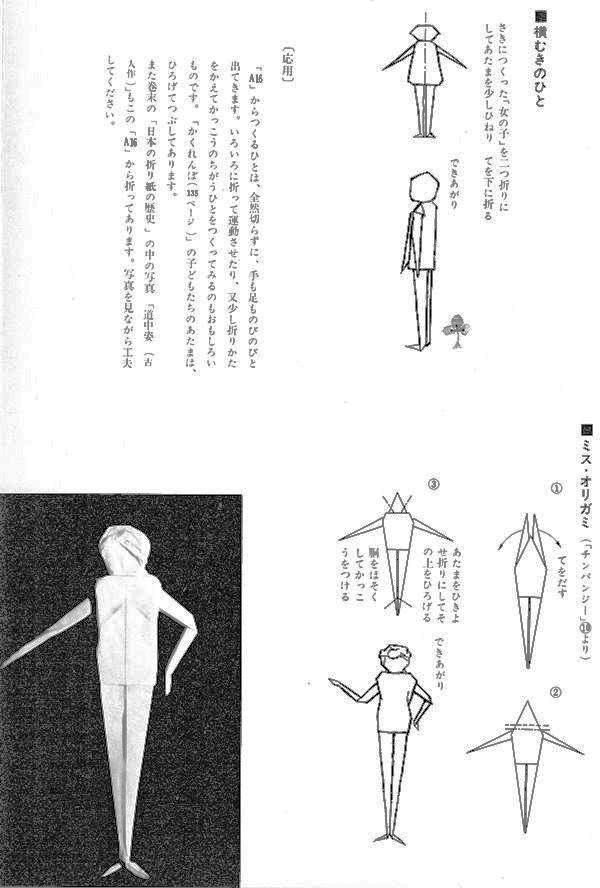
********** Top - Sideways Person Bottom - Miss Origami
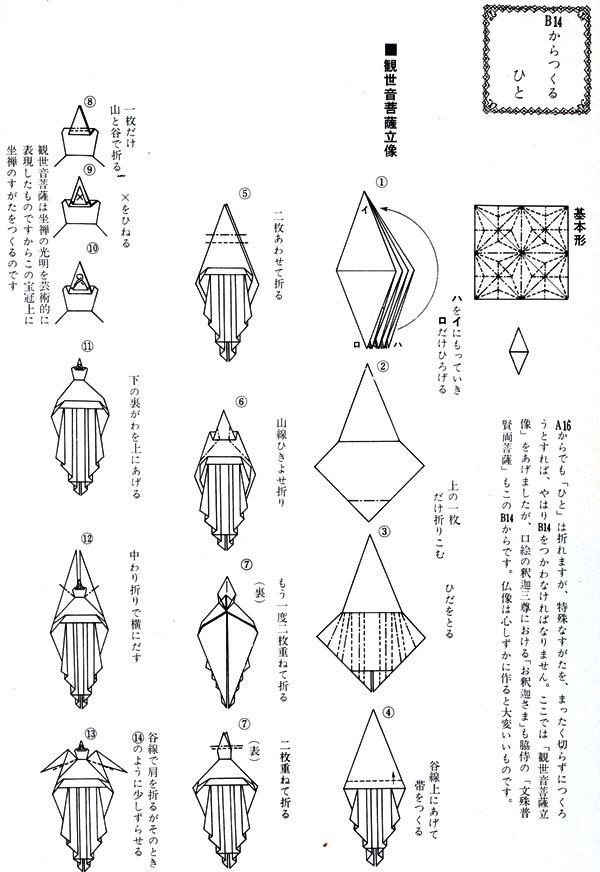
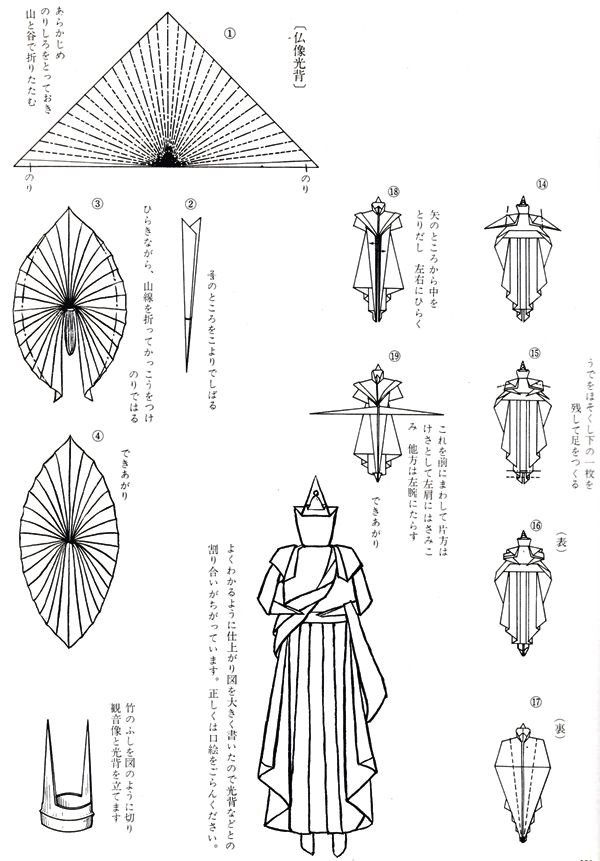
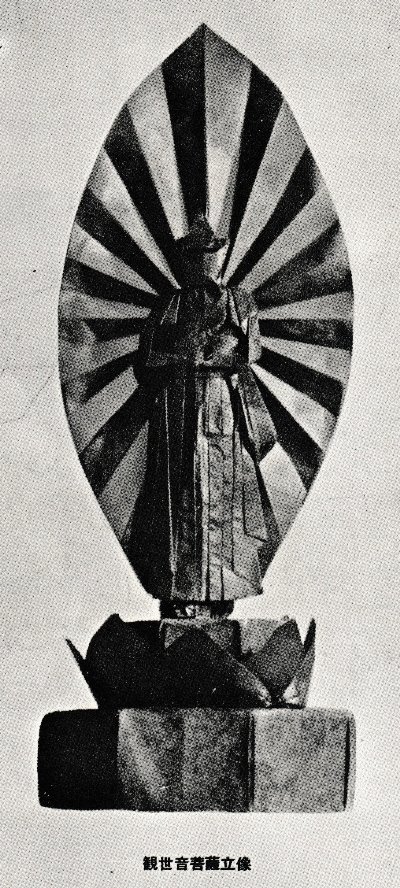
********** Standing Statue of a Kannon Bodhisattiva (compound) Complete with a halo and stand.
**********
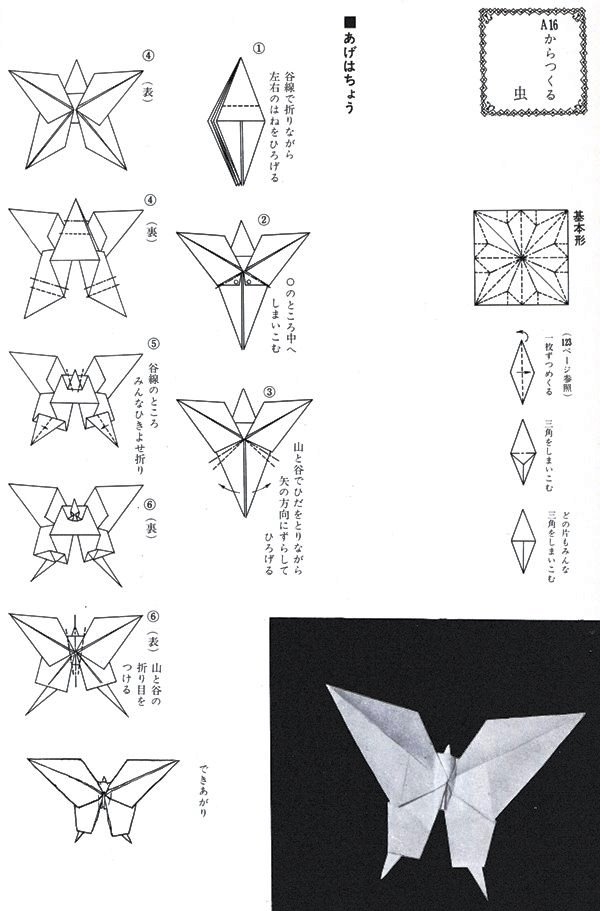
********** Butterfly
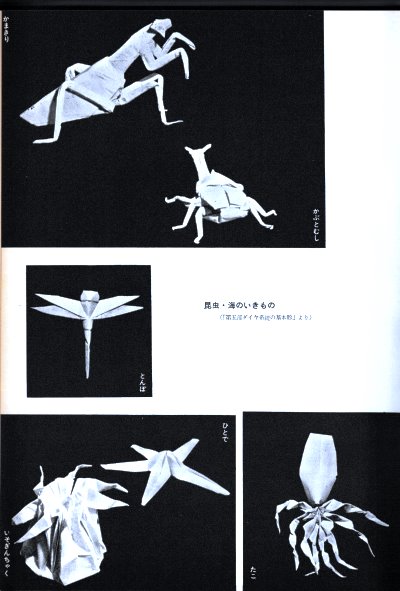
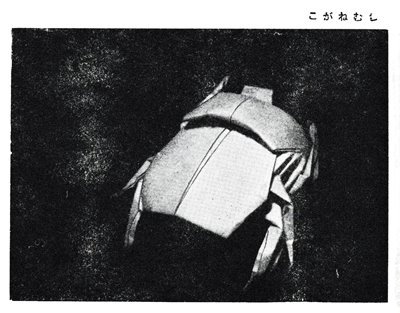
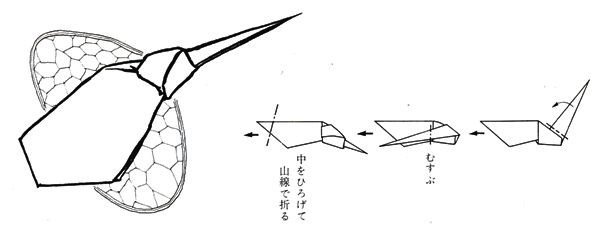
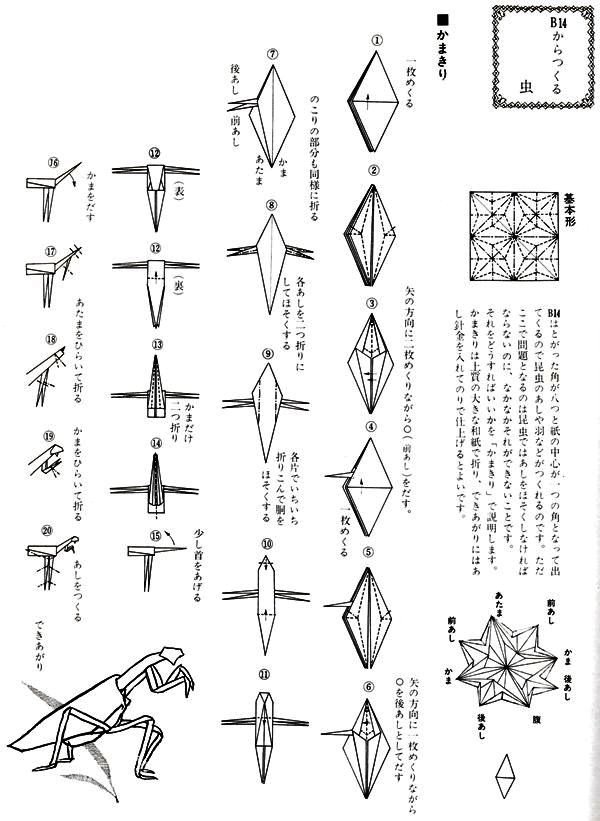
********** Mantis
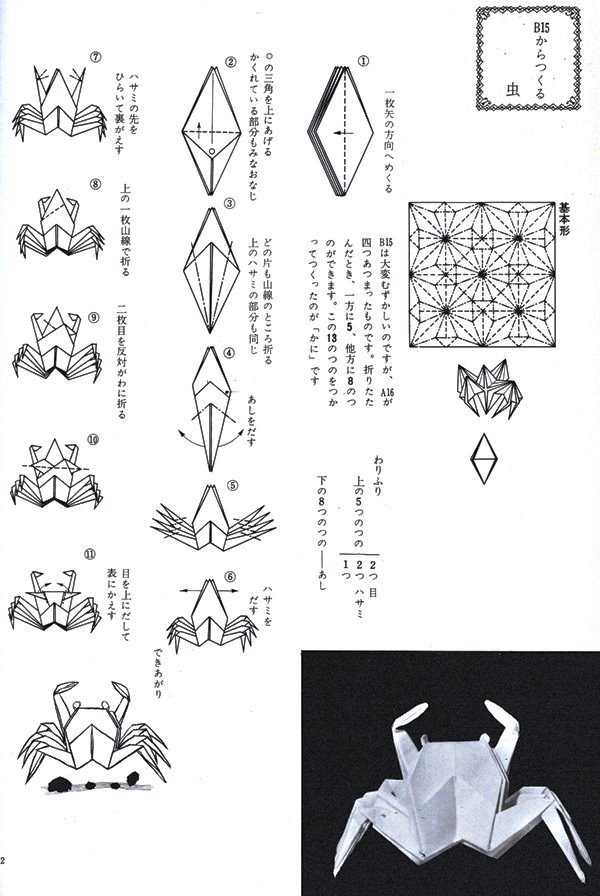
********** Crab
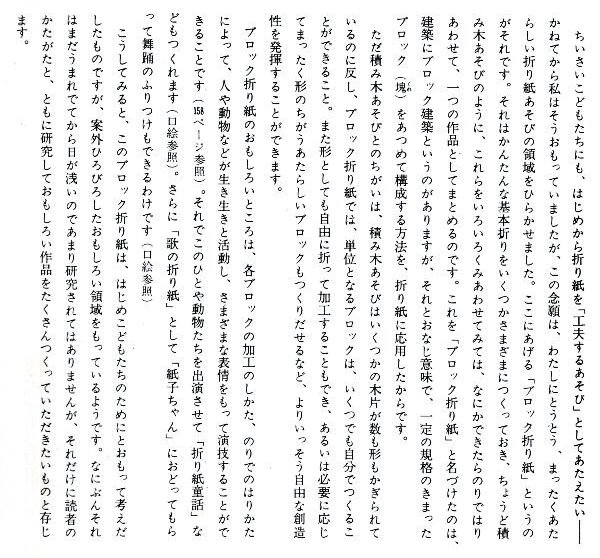
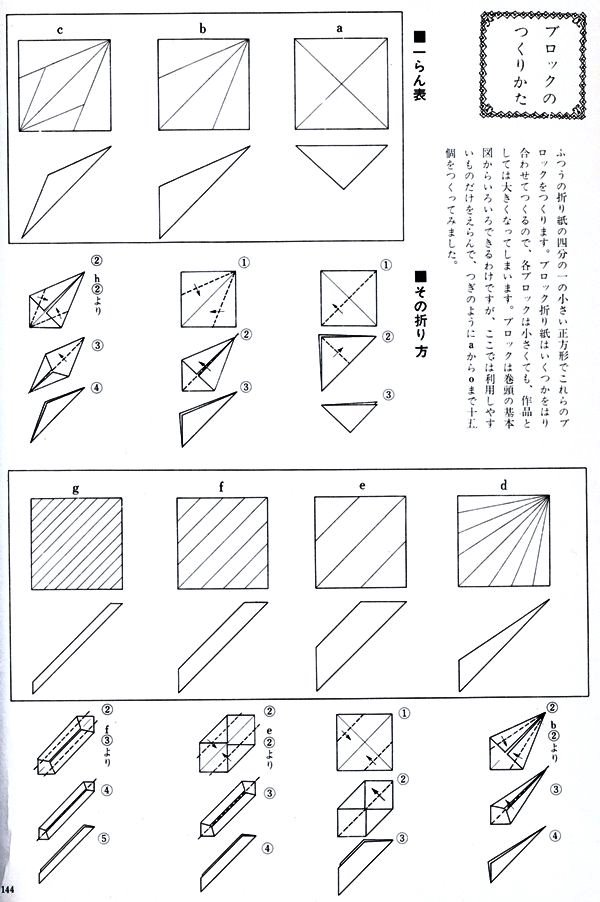
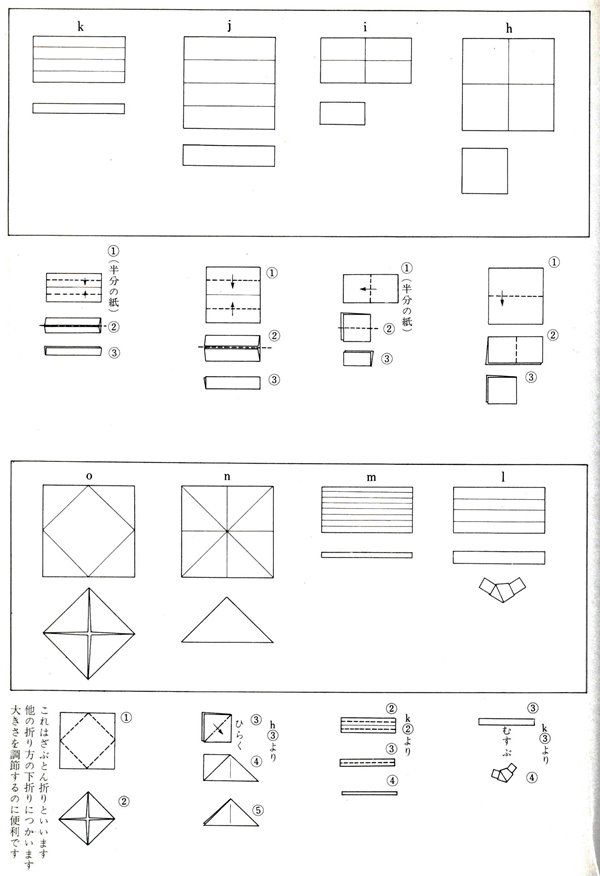
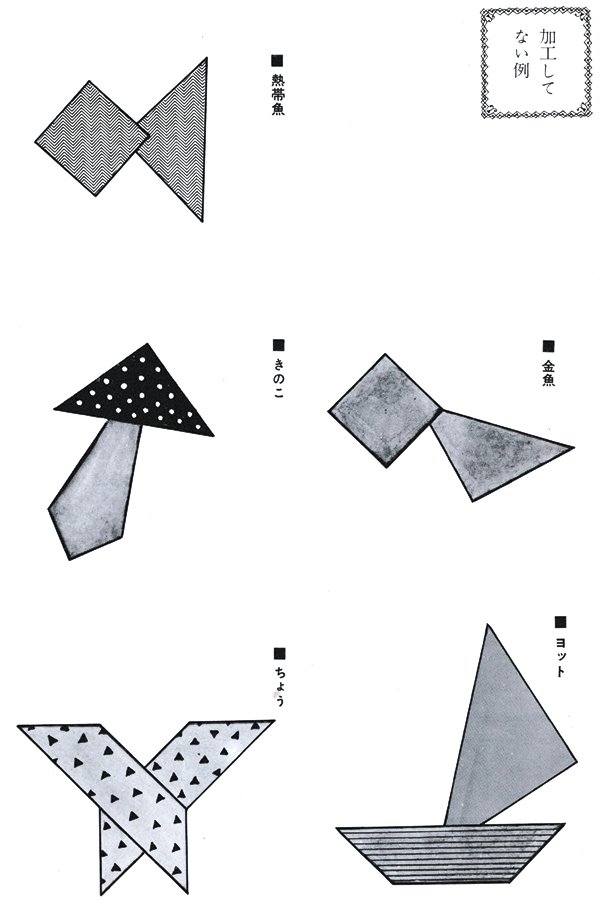
********** Part Six - Block Origami ie origami designs made using standard folded shapes or 'blocks'
**********
**********
**********
**********
**********
**********
********** Top - 2-part Octopus (compound) Upper Middle - 2-part Bird (compound) Lower Middle - 2-part Bird (compound) Bottom - 2-part Penguin (compound)
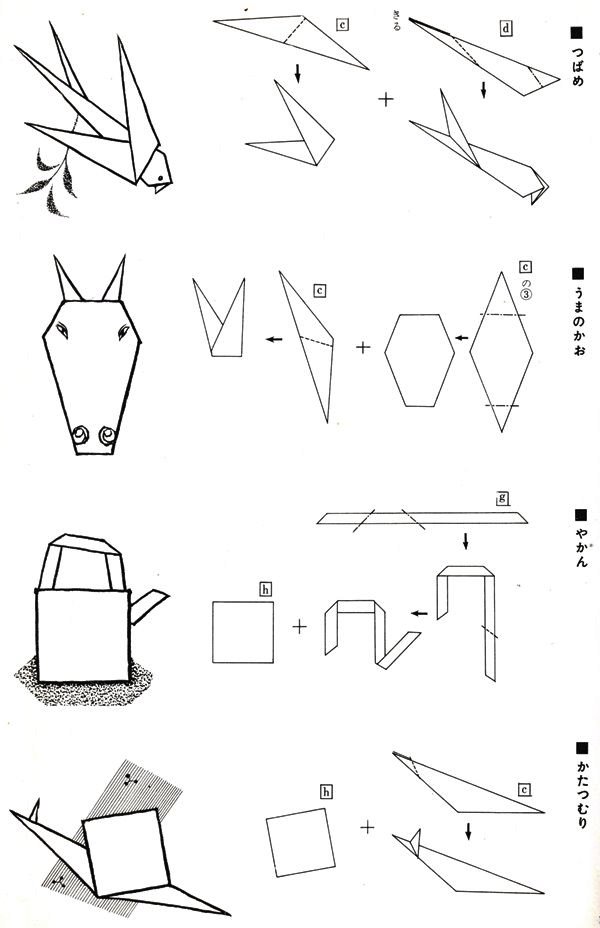
********** Top - 2-part Swallow (compound) Upper Middle - 2-part Horse (compound) Lower Middle - 2-part Watering Can (compound) Bottom - 2-part Snail (compound)
**********
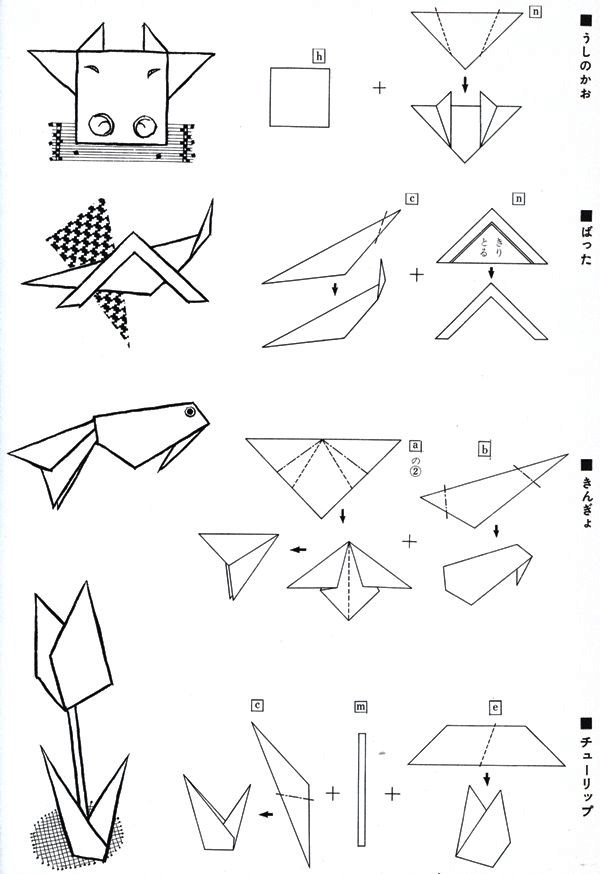
Top - 2-part Cow (compound) Upper Middle - 2-part Grasshopper (compound) (cut) Lower Middle - 2-part Goldfish (compound) Bottom - 3-part Tulip (compound)
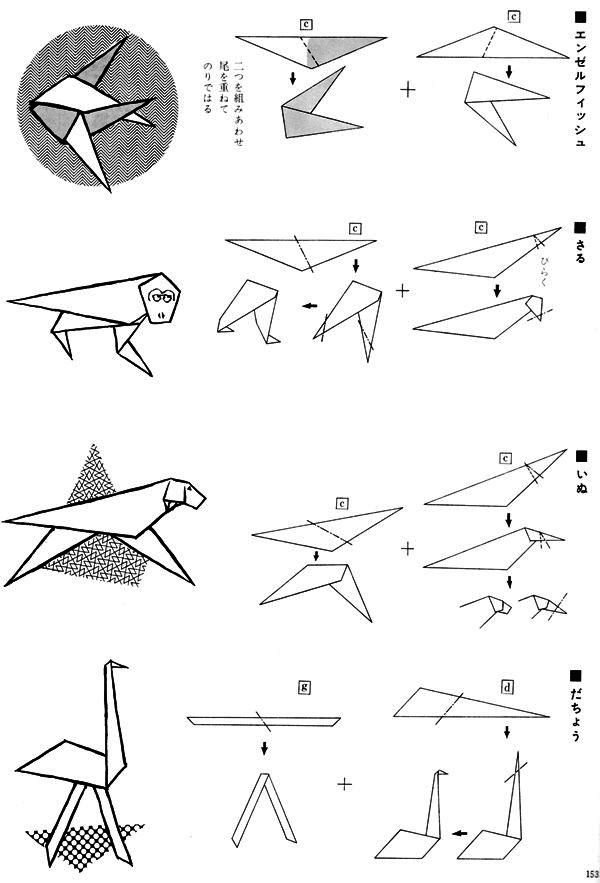
********** Top - 2-part Angel Fish (compound) Upper Middle - 2-part Monkey (compound) Lower Middle - 2-part Dog (compound) Bottom - 2-part Ostrich (compound)
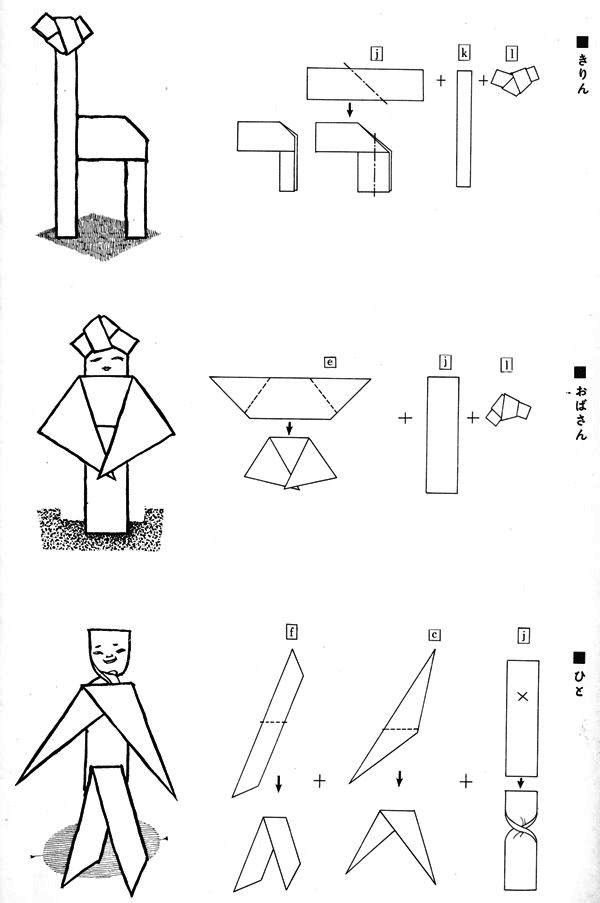
********** Top - 3-part Giraffe (compound) Middle - 3-part Aunt (compound) Bottom - 3-part Person (compound)
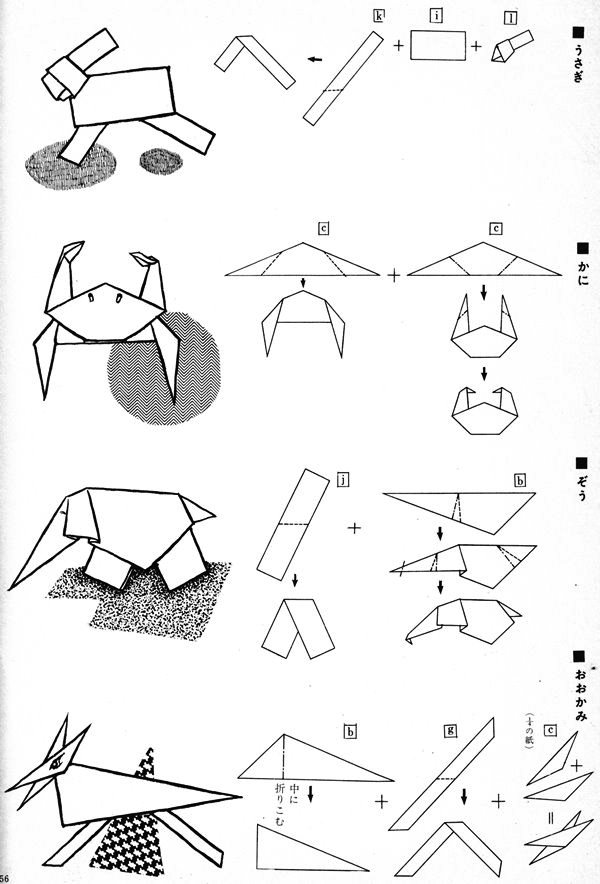
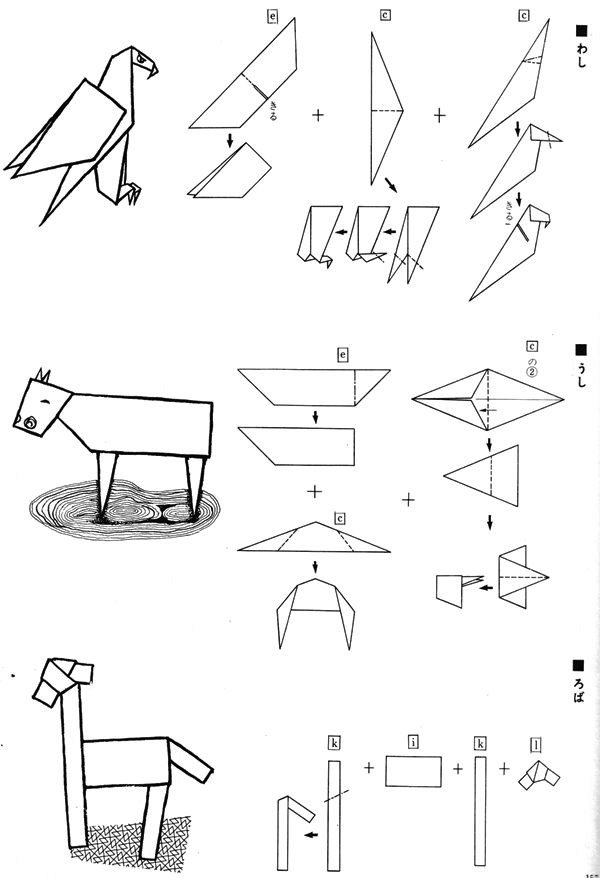
********** Top - 3-part Rabbit (compound) Upper Middle - 2-part Crab (compound) Lower Middle - 2-part Elephant (compound) Bottom - 4-part Wolf (compound)
********** Top - 3-part Eagle (compound) Middle - 3-part Cow (compound) Bottom - 4-part Donkey (compound)
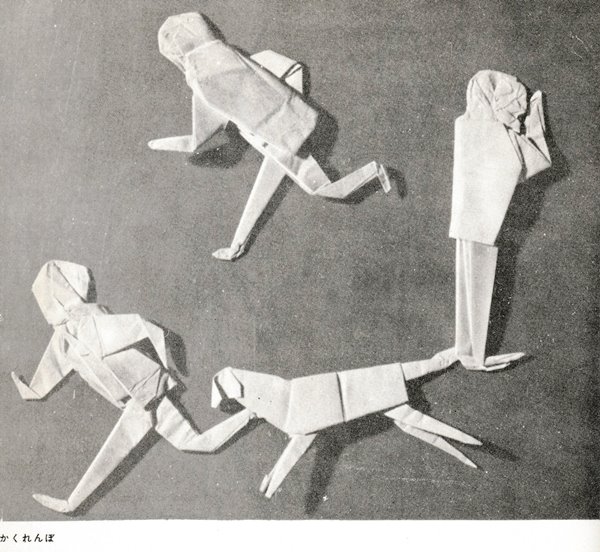
********** Compounbd Children (with Dolls)
**********
********** Compound Dogs
********** Compound Cats
********** Compound Vehicles
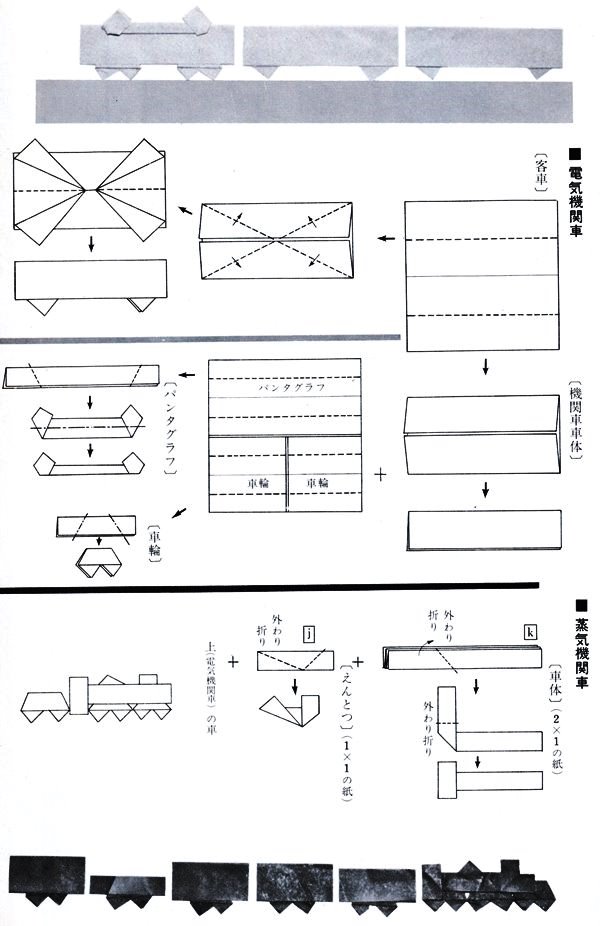
********** Compound Trains
********** Left - Official Lady (compound) (cut) Centre - Woman (compound) (cut) Right - Man (compound) (cut)
********** Left - Standing Figure (compound) (cut)
Right - Follower (compound) (cut)
********** Top Left - 2-part Wild Boar (compound) (cut) Bottom Left - 2-part Monkey (compound) (cut) Centre - 3-part Bear (compound) (cut) Right - 2-part Rabbit (compound) (cut)
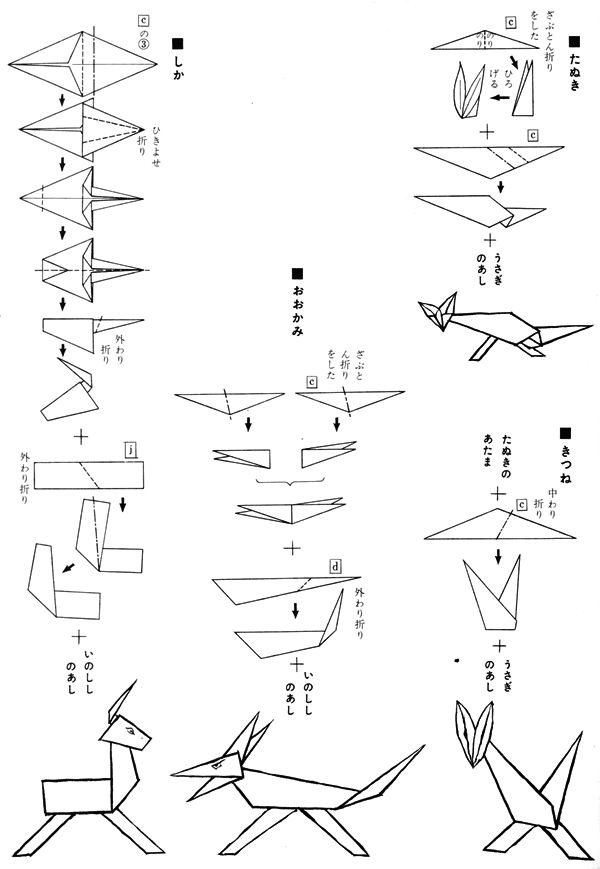
********** Left - 3-part Deer (compound) (cut) Centre - 4-part Wolf (compound) (cut) Top Right - 3-part Raccoon Dog (compound) (cut) Bottom right - 3-part Fox (compound) (cut)
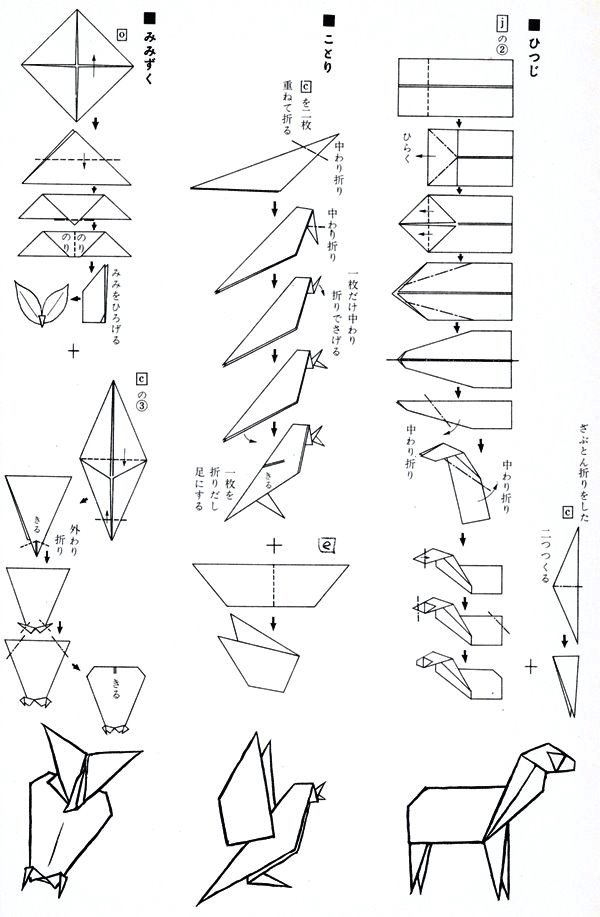
********** Left - 2-part Owl (compound) (cut) Centre - 3-part Bird (compound) (cut) Right - 3-part Sheep (compound) (cut)
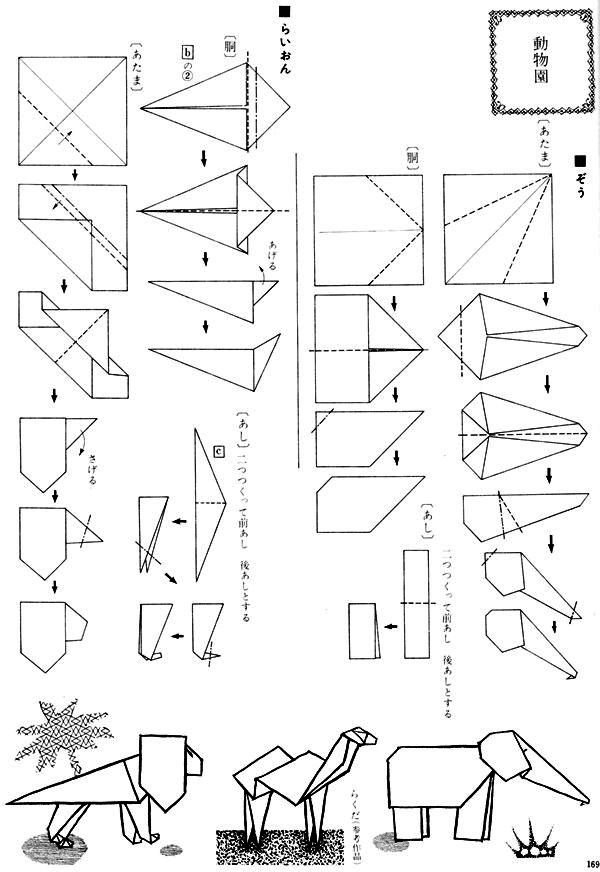
********** Left - 4-part Lion (compound) Centre - Camel (compound) (image only) Right - 4-part Elephant (compound)
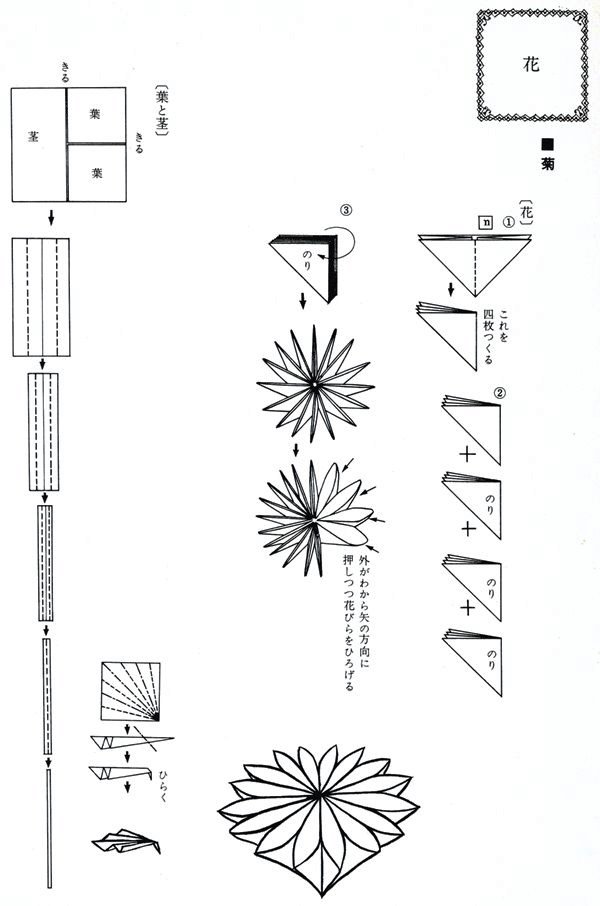
********** Compound Chrysanthemum
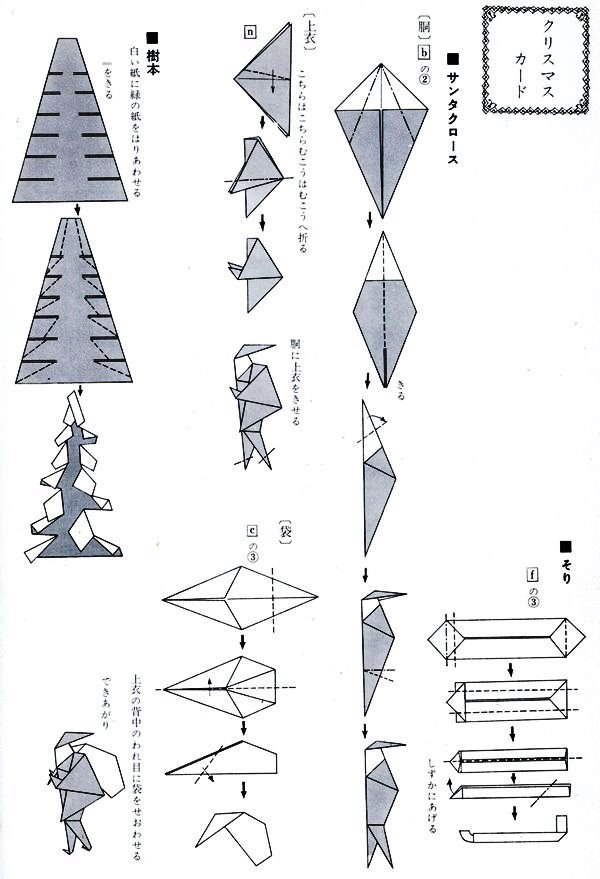
********** Left - Tree (cut) Right - Santa Claus (compound) (cut)
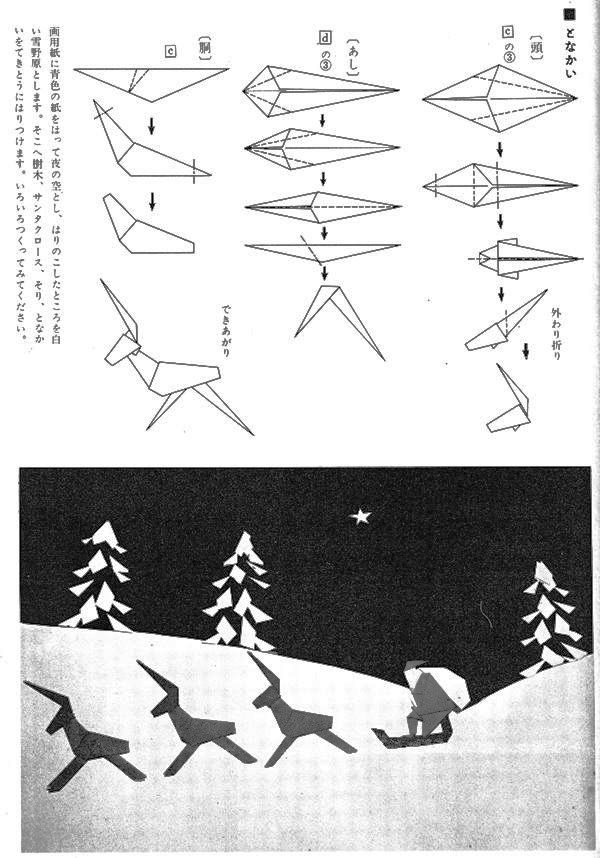
********** 3-part Reindeer (compound)
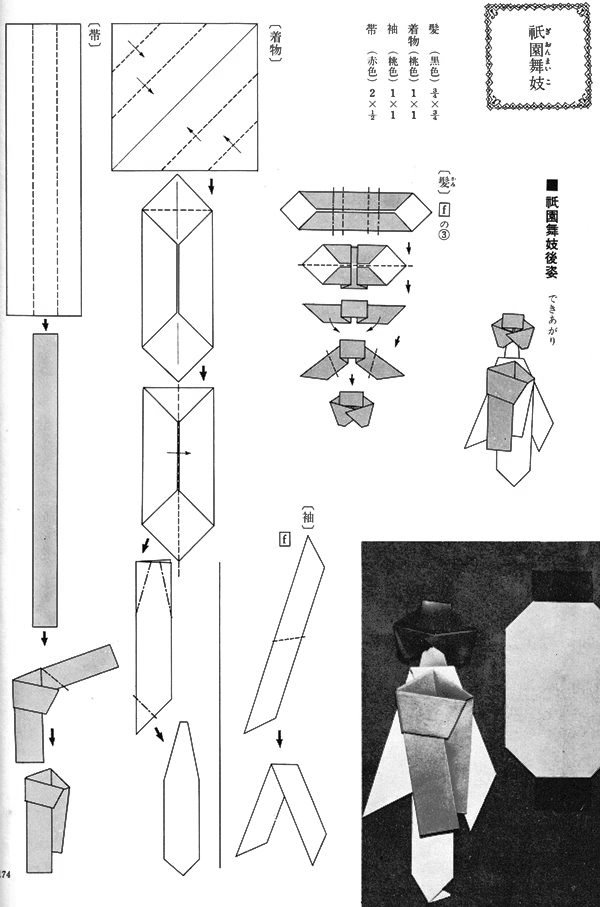
********** 4-part Maiko (back view) (compound)
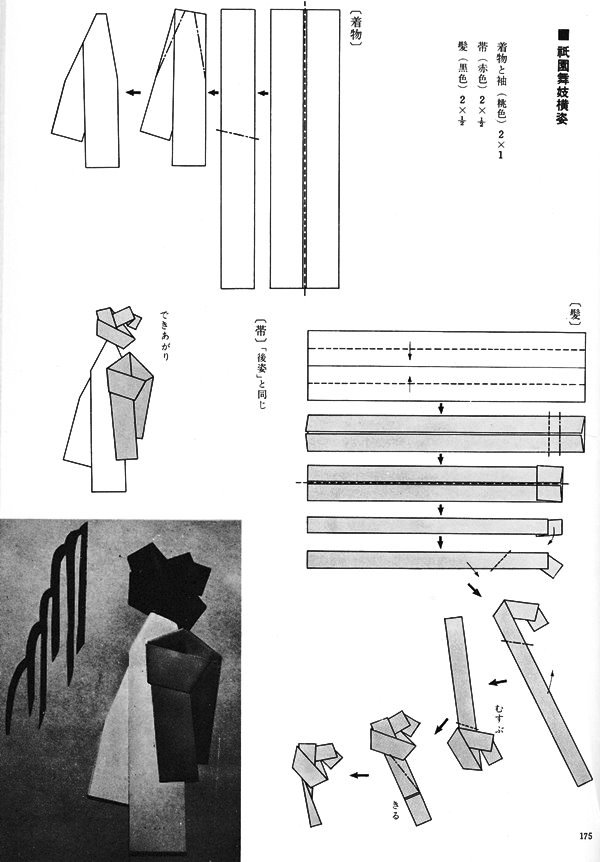
********** 3-part Maiko (profile) (compound)
********** Part Seven - Folding Containers
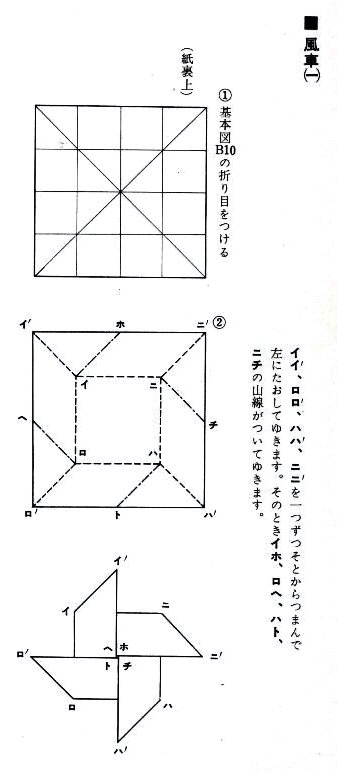
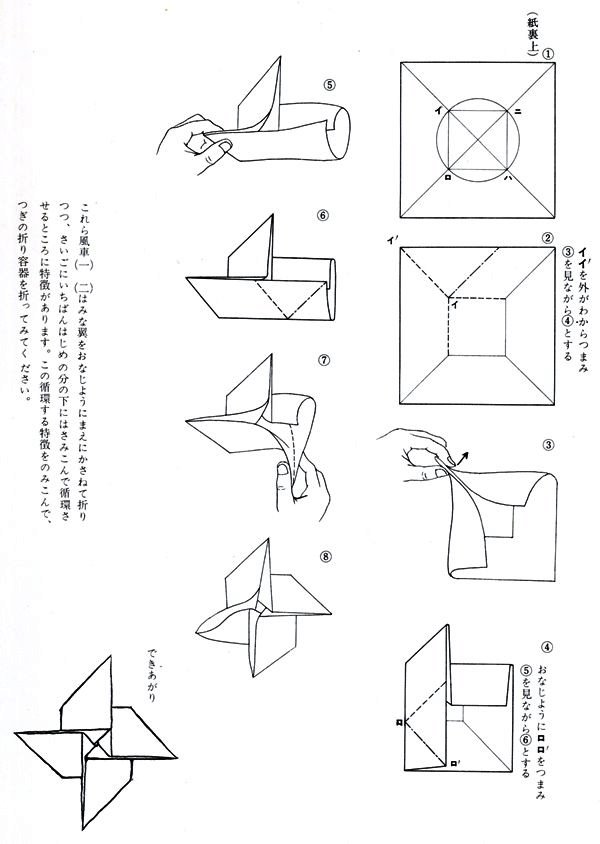
********** Windmill 1 - The Windmill
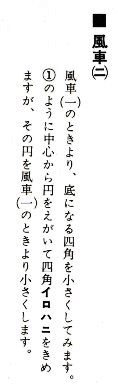
********** Windmill 2
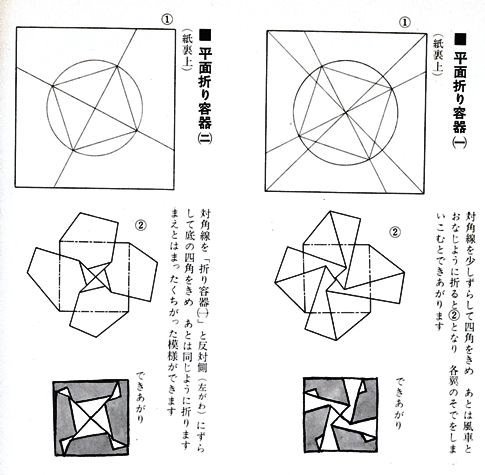
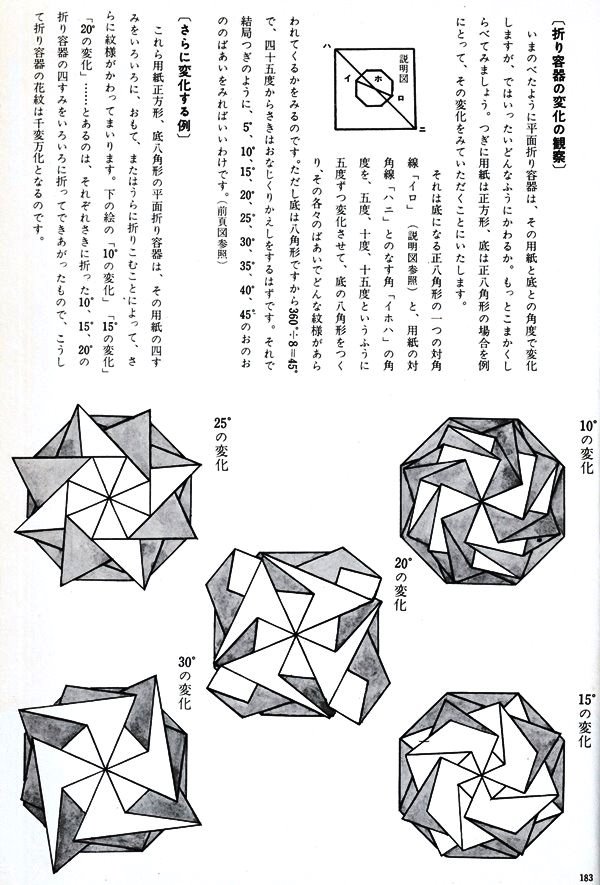
********** Flat Folding Containers 1 and 2 - From squares
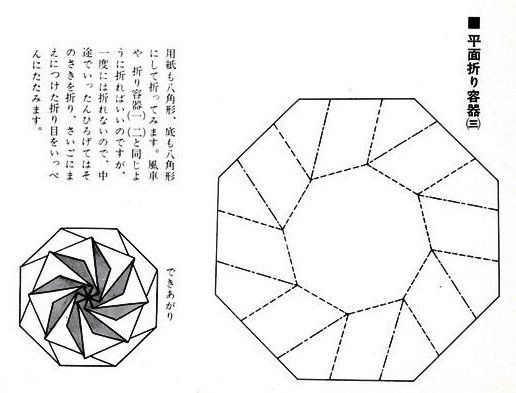
********** Flat Folding Container 3 - From an octagon
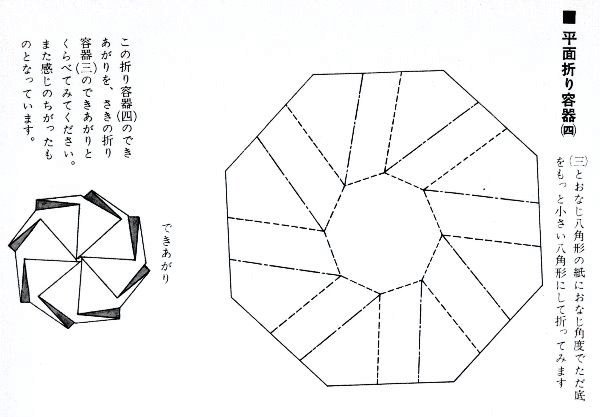
********** Flat Folding Container 4 - From an octagon
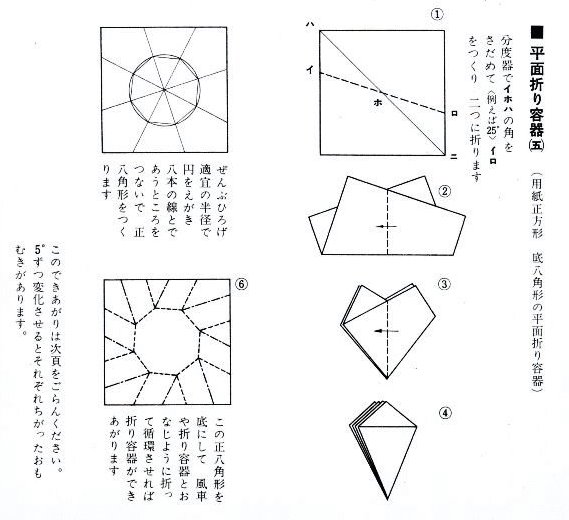
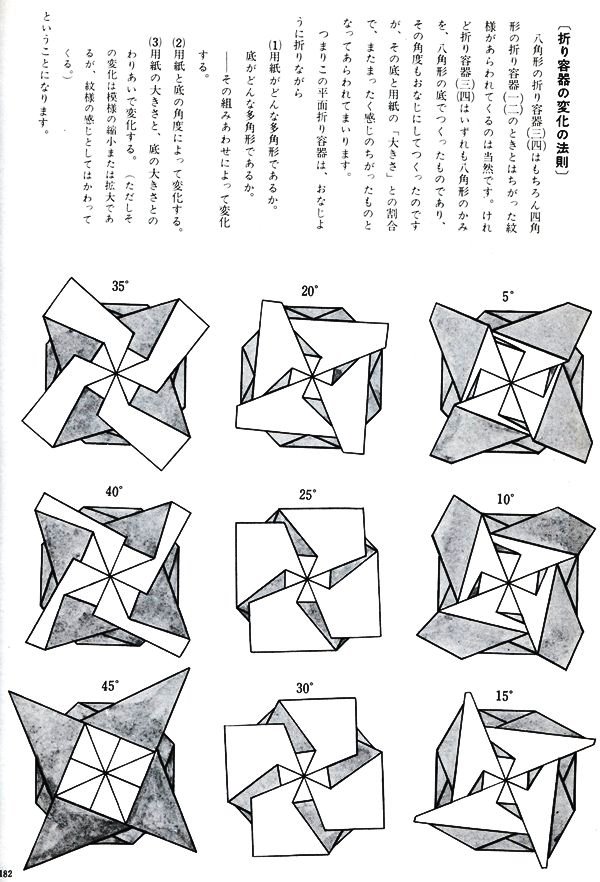
********** Flat Folding Container 5 - From a square - and variations
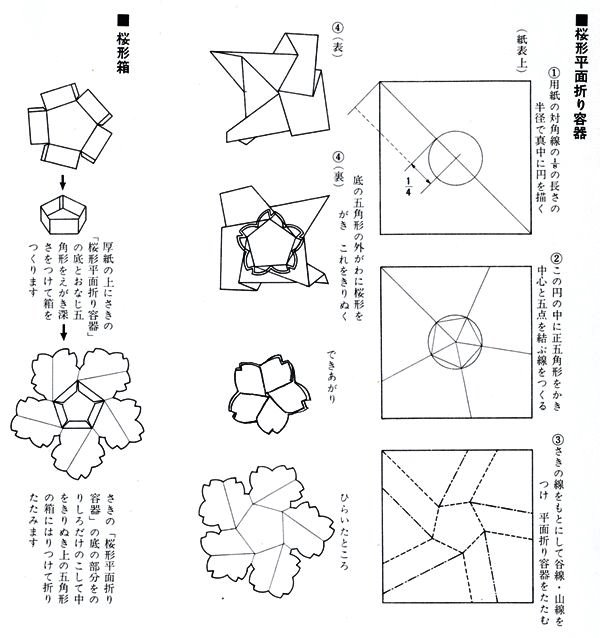
********** Cherry Blossom Box (cut and glued compound design)
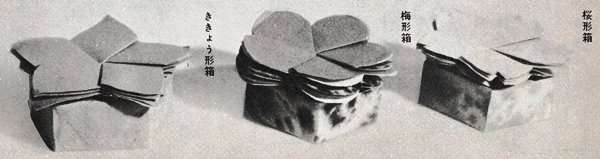
********** In this photo the Cherry Blossom Box is on the right. The box in the centre is a Plum Blossom Box. The box at the left is a Chrysanthemum Box
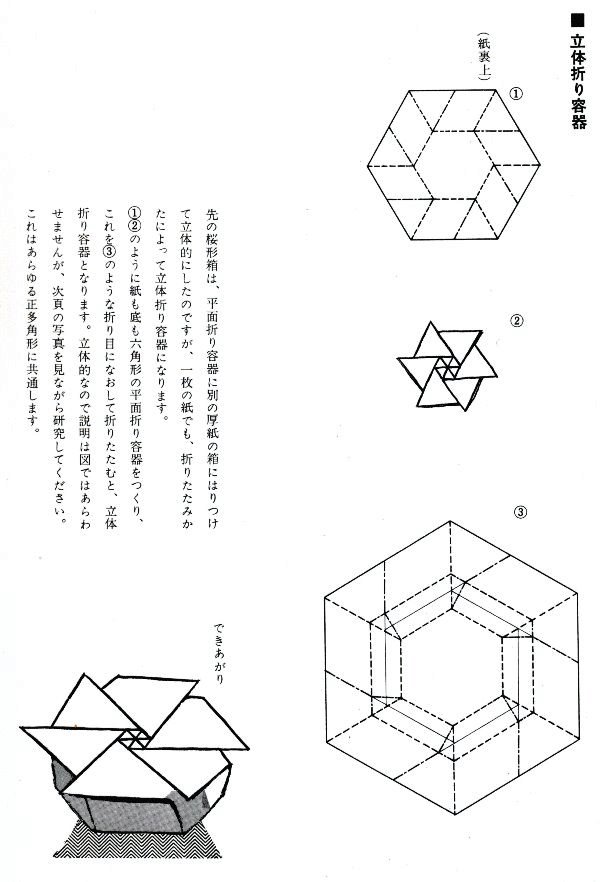
********** Three-Dimensional Folding Container - from a single hexagon
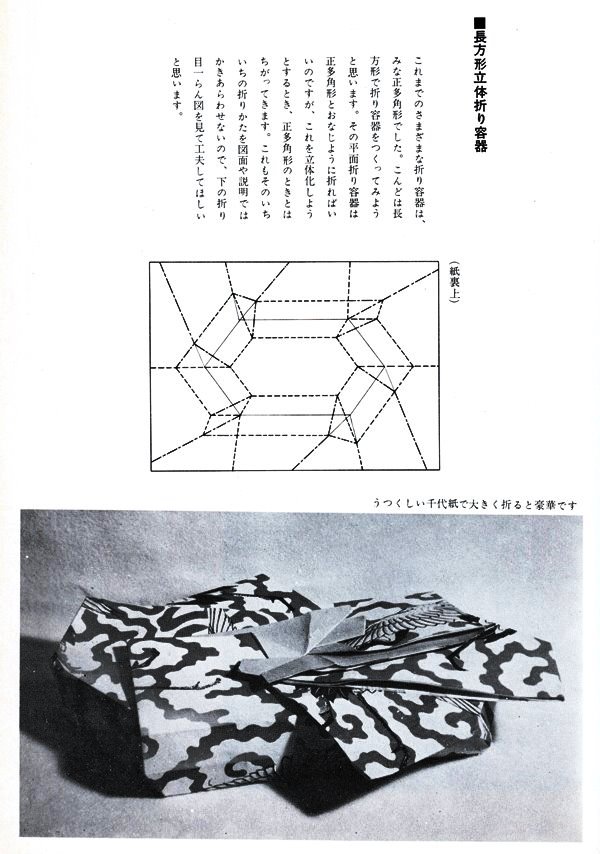
********** Rectangular Three-Dimensional Folding Container
********** |
|||||||
| q | |||||||
| A\SWWQ3E3WQ232SERTFWEEEEEEEQWQFXZ\ |